
Causes of P3460 Trouble Code
From what I’ve seen on the job, and digging through OEM repair manuals, these are the usual suspects behind P3460:
- Low engine oil pressure-the system can’t work without good pressure, simple as that
- Gummed up or blocked oil passages (dirty oil or sludge is often the cause)
- Mechanical issues inside the engine, like lifters that are worn out or a camshaft starting to go bad
- A faulty cylinder deactivation solenoid-the part that actually lets oil flow to those special lifters
- Wiring issues-broken, shorted, or open wires to the solenoid, or a connector that’s seen better days
- Poor electrical connections anywhere in the solenoid’s circuit
Honestly, if you asked me to pick the most common cause, I’d say it’s almost always the solenoid or something to do with oil pressure or flow. On Chrysler, Dodge, and Jeep, those MDS solenoids are notorious troublemakers. With GM, the VLOM (Valve Lifter Oil Manifold) solenoid or its wiring is often to blame. Still, don’t overlook the basics-low oil or a clogged filter can make these systems act up in a hurry.
Symptoms of OBD Code P3460
If you’ve got this code, here’s what you’ll probably notice behind the wheel:
- The check engine light will pop on-sometimes that’s your only clue
- The engine might feel a bit rough at idle, or when it’s trying to switch between running on 8 and 4 cylinders
- Your gas mileage could take a hit, since the system can’t do its fuel-saving magic
- Every now and then, you might feel a slight hesitation or what feels like a misfire
But here’s a twist-sometimes you won’t feel a thing besides that check engine light staring back at you. If the problem gets worse, though, you could start noticing poor engine performance, and in some cases, the car will even put itself in limp mode to prevent further damage.

Diagnosis Steps for DTC P3460
Let me walk you through how I usually track down a P3460 code in the shop:
- I always start by checking engine oil-both the level and how clean it is. If the dipstick’s low or the oil looks filthy, top it off or swap it out with a new filter. You’d be amazed how often that’s all it takes.
- Next, I like to get eyes on the wiring and connectors for the cylinder 8 deactivation solenoid (or MDS solenoid for Chrysler/Dodge/Jeep folks). Look for corrosion, broken wires, or loose plugs. Have someone gently wiggle the harness while you monitor-sometimes the culprit is hiding in plain sight.
- After that, I’ll grab a scan tool and try to command the solenoid on and off. If I don’t get a response, I’ll break out the multimeter and check for power and ground at the connector. No juice? Time to chase that wiring back further.
- If the wiring seems solid, I’ll check the solenoid itself for resistance or continuity. If it fails those tests, you’ve likely found your problem.
- Still no luck? I’ll hook up a mechanical oil pressure gauge and see what’s going on inside the engine. Low oil pressure points to deeper problems.
- If everything checks out electrically and with oil pressure, you’re probably looking at a mechanical issue-maybe a stuck lifter or camshaft wear. Not common, but I’ve seen it more than once.
Here’s a tip: scan for other codes, too. They might give you extra clues. And whatever you do, always start with the easy stuff-oil and wiring-before you start tearing the engine apart.
Common Mistakes When Fixing P3460 Code
A classic mistake I see is folks rushing straight to replace the solenoid without even glancing at the oil or checking the wiring. That’s a fast way to throw money at the problem without fixing it. Overlooking clogged oil passages is another one; you can swap parts all day, but if the oil can’t get where it needs to go, you’re stuck. Skipping a thorough look at connectors and wires bites plenty of DIYers, too. My advice? Always double-check the simple stuff before spending money on new parts. And don’t underestimate what a fresh oil change can do for these systems-it can save you a world of trouble.

Seriousness of OBD2 Code P3460
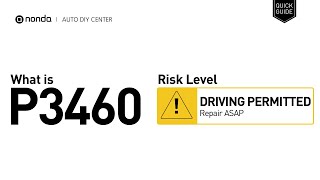
Take it from me-this isn’t a code you want to shrug off. Letting your car run with a P3460 can do way more than just lower your MPG. The cylinder deactivation setup depends on proper oil flow and pressure; if those are off, you risk grinding down lifters, chewing up the camshaft, or in the worst cases, suffering catastrophic engine failure from blocked oil passages. Trust me, ignoring this can turn a manageable repair into a wallet-busting engine rebuild real fast.
Repair Solutions for P3460
Here’s what’s fixed this code for me and plenty of other techs, following OEM steps and real-world cases:
- Swap out the engine oil and filter if they’re old or dirty
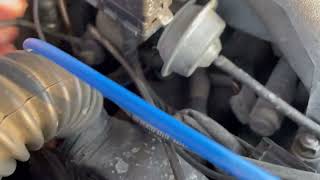
- Repair or replace any damaged wiring or connectors to the cylinder deactivation/MDS solenoid
- Replace the faulty solenoid (VLOM for GM, MDS for Chrysler/Dodge/Jeep) if it doesn’t pass electrical testing
- Clean out any clogged oil passages-sometimes this means opening up the engine
- Address any deeper mechanical issues, like changing out worn lifters or fixing oil pressure problems
Start with the easy wins-oil and wiring-before you get into the heavy-duty repairs.


Conclusion
Bottom line? P3460 is your engine’s way of telling you something’s off with the system that saves you gas by shutting down cylinder 8. Most of the time, you’re looking at oil, wiring, or the solenoid itself. Don’t ignore it-start by checking your oil and wiring, and don’t hesitate to bring in a pro if things get tricky. The sooner you act, the less pain (and cost) you’ll have down the road.
 4246
4246 6 minutes of reading