
Causes of P3463 engine code
From my time in the shop, I’ve found that P3463 usually traces back to a few tried-and-true troublemakers. Nine times out of ten, you’re wrestling with something in the oil system or an electrical gremlin in the cylinder deactivation solenoid’s control circuit. Here are the main culprits I run into:
- Low engine oil pressure (not enough oil pressure to activate the system)
- Restricted or clogged oil passages (oil can’t get where it needs to go)
- Mechanical problems inside the engine (like a stuck or worn valve lifter)
- Faulty cylinder deactivation solenoid (the part that controls oil flow to the valve lifter)
- Damaged or shorted wiring to the solenoid (open or short circuit)
- Poor electrical connections at the solenoid or its harness (corroded, bent, or loose pins)
If you’re chasing down this code, I recommend starting your investigation with these suspects. They cover almost every case I’ve seen roll through my bay.
Symptoms associated with P3463
When this code is active, you’ll probably notice a few things. The most obvious is the check engine light coming on. Sometimes, you might feel the engine running rough, especially when the system tries to switch between V8 and V4 modes. You could also notice a drop in fuel economy, or the engine might seem less powerful than usual. In some cases, there’s no noticeable change in how the vehicle drives, but the warning light is your clue that something’s not right under the hood.

Diagnosis steps for P3463 trouble code
Let me walk you through how I’d go after a P3463. First thing I do-always-check that oil level and see what kind of shape it’s in. Dirty or low oil is a classic troublemaker here. Next, I get my hands on the harness and connectors at cylinder 8’s deactivation solenoid. I’m looking for frayed wires, corrosion, or pins that just don’t look right. Here’s a pro-tip: have someone wiggle the harness while you watch the scan tool-sometimes a bad wire only acts up when it’s moved. After that, I’ll use the scan tool to command the solenoid on and off, seeing if it’s responding like it should. If it’s not, I break out the multimeter to check resistance and voltage at the solenoid. Don’t skip checking for gunky oil passages-sludge can shut this system down in a hurry. If the electrical and oil sides check out, I start looking at mechanical problems with the valve lifter. It’s all about checking one thing at a time and not skipping the basics-believe me, that’s what saves you headaches later.
Common mistakes when repairing obd2 code P3463
A classic mistake I see all the time is folks rushing to swap out the solenoid without doing the simple stuff first-like checking oil quality or tracing the wiring. Another big one? Forgetting to check for clogged oil passages. If oil can’t get where it needs to go, you’ll chase your tail replacing parts to no avail. I’ve also seen plenty of techs overlook bent or corroded connector pins, which can cause those frustrating intermittent problems. Skipping over these basics leads to wasted time, money, and a lot of head-scratching.

How serious is dtc P3463
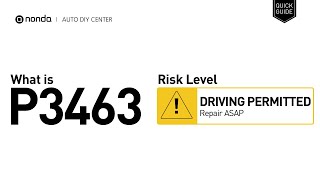
Don’t shrug this one off. If your cylinder deactivation system isn’t up to snuff, you’re not just looking at lousy performance or worse gas mileage-you could be staring down the barrel of real engine damage. I’ve seen lifters stick, camshafts wear out, and even major internal failures just because oil flow got restricted or pressure dropped too low. These aren’t cheap fixes. The stakes are high, so get on top of this code as soon as it pops up.
Repair options for P3463 code
Here’s my usual playbook for knocking out a P3463, depending on what the diagnostic work uncovers:
- Top off or change the engine oil if it’s low or dirty
- Clean or clear any blocked oil passages
- Repair or replace damaged wiring or connectors at the solenoid
- Replace the cylinder deactivation solenoid if it’s faulty
- Address any mechanical issues with the valve lifter or related components
Always start with the simple fixes-oil and wiring-before you start swapping out parts. That approach has saved me (and plenty of customers) a lot of hassle and expense over the years.


Conclusion
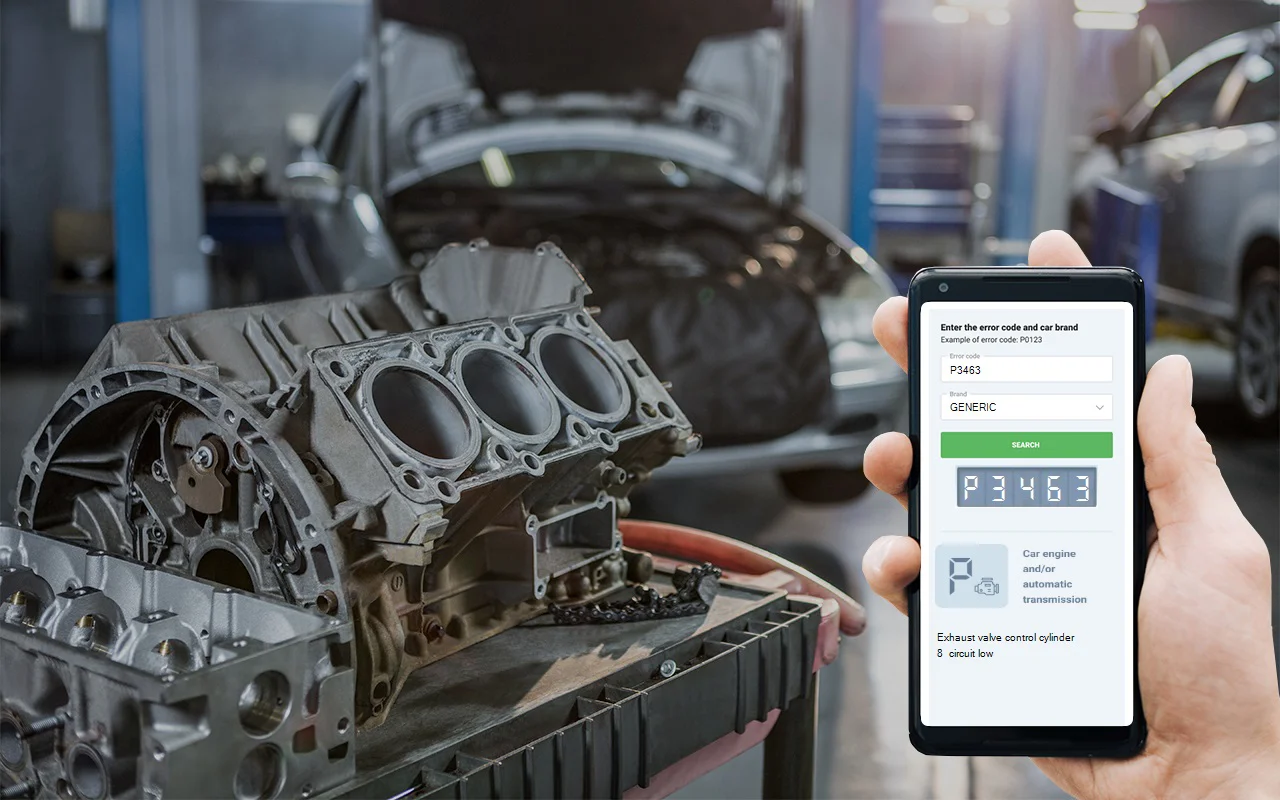
In a nutshell, P3463 tells you there’s an issue with the exhaust valve control circuit on cylinder 8, which is key to your engine’s cylinder deactivation system. If you let it slide, you could be in for some pretty serious engine trouble. The smartest move? Check your oil, inspect the wiring and connectors, and test that solenoid before you think about replacing anything. Trust me, catching it early and handling it right will save you a world of trouble down the road.
 4480
4480 5 minutes of reading