
Causes of P3466 Code
After countless hours in the garage and poring over service manuals, I can tell you these are the usual suspects behind a P3466 code:
- Low engine oil pressure-these deactivation lifters absolutely rely on good oil pressure to do their job.
- Clogged oil passages-a bit of sludge or debris can easily gum up those narrow channels feeding the lifters.
- Mechanical hiccups inside the engine-like a lifter that’s stuck, worn camshaft lobes, or a lifter that’s just had enough.
- Bad cylinder deactivation solenoid-if this solenoid gives up, it can’t direct oil flow to the lifters like it should.
- Wiring snags-broken, shorted, or corroded wires and connectors at the solenoid can really throw things off.
- Weak electrical connections-sometimes, it’s just a loose or dirty connector making all the trouble.
In my experience, oil pressure and solenoid faults top the list, but you’ve got to check everything to be sure.
Symptoms of obd code P3466
So what can you expect if P3466 is active? Nine times out of ten, you’ll spot the check engine light glaring at you from the dash. Sometimes, especially if it’s just one cylinder and the system covers for it, you won’t feel a single thing while driving. But keep an ear out-rough idle, a little stumble, or a small dip in your gas mileage can creep in. When things get worse, you might notice misfires, hesitation, or even a strange ticking from the engine bay. But honestly? Sometimes that warning light is your only clue until things really go sideways.

Diagnosis Steps for P3466 Code
Whenever I’m faced with a P3466, here’s my tried-and-true process:
- Start with the basics-check your oil. Low or dirty oil is a trouble magnet for these systems. Double-check you’re using the right type and weight, too.
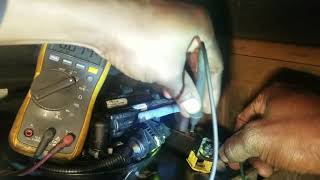
- Then, eyeball the wiring and connectors at the cylinder 9 solenoid. I like to wiggle the harness while watching the scan tool for any change-having a buddy helps a lot here.
- Fire up a scan tool and try commanding the solenoid on and off. If there’s no response, you could be dealing with a bad solenoid or a wiring issue.
- If the solenoid and wires look good, it’s time to check oil pressure with a mechanical gauge. Low oil pressure is a surefire way to get cylinder deactivation codes.
- If oil pressure checks out, next up is a mechanical inspection-think lifters, camshaft, and sometimes even pulling off valve covers or the intake manifold. Not the quickest job, but sometimes it’s the only way.
- Before you get too deep, always check for technical service bulletins (TSBs) for your vehicle-sometimes the automaker has a fix or updated part that’ll save you hours.
The golden rule? Always start simple before tearing into the engine.
Common Mistakes When Repairing P3466 Engine Code
I’ve seen it more times than I can count: Folks jump straight to swapping solenoids or lifters without checking the oil or the wiring first. Or they overlook something as basic as old, dirty, or low oil-trust me, these systems are fussy about their oil. Then there’s the sneaky stuff like corroded connectors or a pinched wire hiding behind a harness, causing problems that come and go. My advice? Don’t rush. Go step by step and cover the basics before you start buying parts or tearing the engine apart.

How Serious Is P3466 Trouble Code
Don’t shrug this one off. Even if the car seems to run fine, letting it slide can open the door to much bigger headaches. If the deactivation system isn’t working, you’ll burn more fuel, bump up emissions, and, if oil pressure is at fault, you’re risking real damage to lifters, the cam, or even the whole engine. Mechanical problems can snowball fast. Take it from me-deal with P3466 sooner rather than later, or you could be staring down a much bigger (and pricier) repair bill.
Repair Solutions for Obd2 Code P3466
Here’s what’s worked for me in the shop when tackling a P3466:
- Fresh oil and a new filter-especially if the oil is gunky, old, or the wrong spec. It’s amazing how many times this fixes the issue.
- Fixing or swapping out damaged wiring or connectors at the solenoid-sometimes all it takes is cleaning up a contact.
- Replacing a bad cylinder deactivation solenoid-if it fails the functional check, in it goes.
- Clearing out blocked oil passages-sometimes that means a deep clean or even engine teardown.
- If things are really bad, replacing sticking or failed lifters, or dealing with other internal engine damage.
Whatever you do, make sure you’ve found the real root of the problem before you start changing parts. Otherwise, you’ll chase the code around and never really fix it.
Conclusion
Bottom line: P3466 means your cylinder deactivation system has a beef with cylinder 9, and it’s almost always tied to issues with oil, the solenoid, wiring, or something mechanical. Don’t put this on the back burner-catching it early is key to avoiding bigger, nastier engine problems. My advice? Start with the basics: check your oil, wiring, and solenoid, then dig deeper if you have to. Staying on top of it now is the best way to keep your engine running strong and your repair bills in check.
 4424
4424 6 minutes of reading