
Causes and dtc P3471 diagnostic insights
From experience, the most common reasons I see for a P3471 code are pretty consistent across Chrysler, Dodge, and Jeep models. Here’s what usually causes it:
- Low engine oil pressure-if the oil isn’t flowing right, the system can’t work.
- Restricted or blocked oil passages-gunk or sludge can clog up the tiny channels that feed the lifters and solenoids.
- Mechanical engine issues-like worn or sticking valve lifters, or problems with the camshaft.
- Faulty cylinder deactivation solenoid-if this little guy fails, the ECM can’t control the valve.
- Wiring harness problems-open or shorted wires, or poor electrical connections at the solenoid.
Most often, it’s either an oil issue or a bad solenoid, but I’ve seen wiring problems trip people up too. It’s best to check everything in order, starting with the basics.
Symptoms and P3471 trouble code warning signs
When this code is active, you’ll probably notice the check engine light is on-that’s the most obvious sign. Sometimes, you might feel the engine running a little rough, especially when the cylinder deactivation system is supposed to kick in. You could also notice a drop in fuel economy, or maybe the engine just doesn’t feel as smooth as usual. In some cases, there’s no obvious symptom except the warning light, but don’t let that fool you-there’s a real issue under the hood.

Diagnosis steps for P3471 engine code
Here’s how I tackle a P3471 code step by step. First, I always check the engine oil level and quality. Low or dirty oil is a surefire way to end up with this problem. If the oil’s good, I move on to a visual inspection of the wiring and connectors at the cylinder deactivation solenoid for cylinder 9-look for broken, loose, or corroded pins. It’s better to have someone help you wiggle the harness while you watch for any changes. Next, I’ll check for oil sludge or blockages in the oil passages-sometimes you can spot this with the valve cover off, but often it takes a bit more digging. After that, I test the solenoid itself with a multimeter to make sure it’s getting power and isn’t shorted. If all that checks out, I’ll look at the mechanical side-making sure the lifter isn’t stuck and the camshaft lobe isn’t worn. Don’t forget to clear the code and see if it comes back after each step, so you know you’re on the right track.
Common mistakes during P3471 troubleshooting
One mistake I see all the time is jumping straight to replacing the solenoid without checking the oil or wiring first. Another is ignoring the possibility of oil passage blockages-if you skip this, you could end up replacing good parts for nothing. Also, don’t overlook the connectors; a loose or corroded pin can cause all sorts of headaches. Take your time and work through the basics before you start swapping parts.

Seriousness of obd2 code P3471 issues
This isn’t something you want to ignore. If you keep driving with a P3471 code, you risk damaging the valve lifters, camshaft, or even the solenoid wiring. Over time, this can lead to rough running, poor fuel economy, or even more expensive engine repairs. Honestly, things can go south quickly if you let it slide-especially if low oil pressure is the cause. Don’t put this off for later; it’s a real risk to your engine’s health.
Repair solutions for obd code P3471
Here’s what I usually do to fix a P3471 code, based on what the diagnosis turns up:
- Top off or change the engine oil if it’s low or dirty.
- Clean out any sludge or blockages in the oil passages.
- Repair or replace damaged wiring or connectors at the solenoid.
- Replace the cylinder deactivation solenoid if it’s faulty.
- If there’s a mechanical issue with the lifter or camshaft, those parts may need to be replaced as well.
Start with the simple stuff-oil and wiring-before moving on to the more involved repairs.




Conclusion
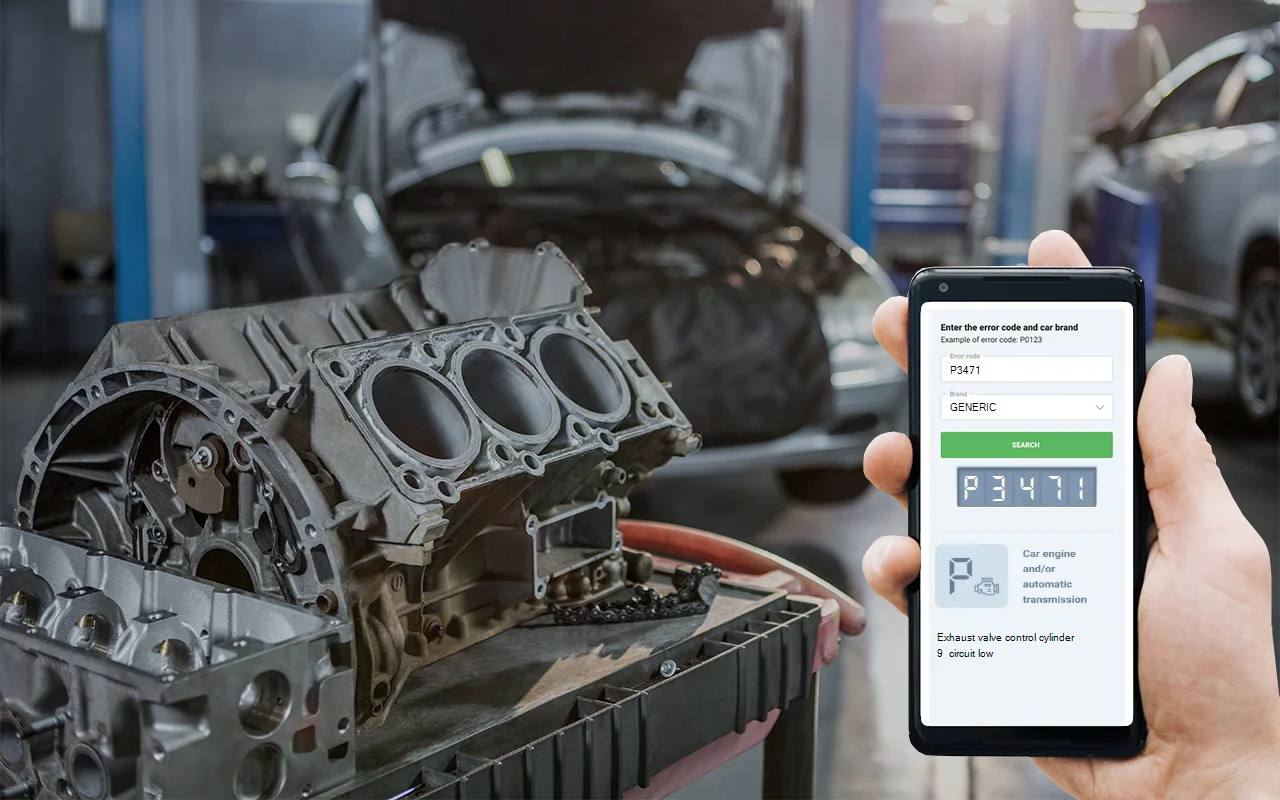
To sum it up, P3471 means your engine’s cylinder deactivation system can’t properly control the exhaust valve on cylinder 9, usually due to oil, wiring, or solenoid issues. It’s important to diagnose this promptly because the risks just aren’t worth it-engine damage can get expensive fast. The most reliable way to fix it is to work through the basics first: check the oil, inspect the wiring, and test the solenoid. If you catch it early and follow a step-by-step approach, you’ll save yourself a lot of trouble down the road.
 4554
4554 5 minutes of reading