
Common Causes of P3496 Code
Over the years, I’ve noticed some patterns when chasing down a P3496 code on Chrysler, Dodge, and Jeep vehicles. Here’s what’s usually at the root of the problem:
- Low engine oil pressure-if your oil isn’t making its rounds properly, those special lifters just won’t work right.
- Clogged oil passages-sludge or gunk can block the narrow channels that feed the deactivation system.
- Mechanical issues inside the engine-think worn or sticking lifters, or tired valve components.
- A bad cylinder deactivation solenoid-these solenoids act like gatekeepers, directing oil where it needs to go.
- Wiring trouble-broken, shorted, or corroded wires and connectors feeding the solenoid.
- Lousy electrical connections-sometimes, it’s as simple as a dirty or loose plug.
In my shop, the culprit is usually an oil-related issue or something up with the solenoid or its wiring. My advice? Check the basics before you start replacing pricey parts.
Typical Symptoms of dtc P3496
When this code sets, here’s what I usually see (and what you’re likely to notice behind the wheel):
- The check engine light is almost always your first heads-up-sometimes it’s the only sign.
- Engine might feel rough, especially when the system’s trying to switch between V8 and V4 mode.
- You could see a drop in fuel economy since the engine can’t shut down cylinders like it should.
- Sometimes there’s hesitation, misfires, or even a ticking sound coming from under the hood.
Now and then, these symptoms are barely noticeable-but that doesn’t mean you should ignore the problem. Trust me, leaving it alone is asking for trouble.

How to Diagnose a P3496 Trouble Code
Here’s my step-by-step approach when I’m tracking down a P3496 code:
- First thing’s first-I always check the oil level and its condition. Low or dirty oil is a classic troublemaker for this system.
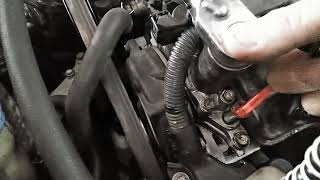
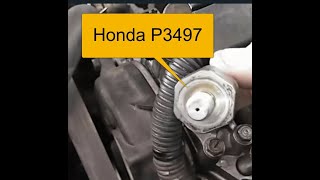
- Next up, I go over the wiring and connectors heading to the cylinder deactivation solenoid on cylinder 12. Look for broken wires, corrosion, or loose connectors. Here’s a tip: have a buddy wiggle the harness while you keep an eye out for changes on your scan tool.
- Then, I’ll grab my scan tool and try to command the solenoid on and off. If it doesn’t respond or you don’t hear a click, chances are it’s the solenoid itself.
- If the electrical side checks out, I’ll hook up an oil pressure gauge. Low oil pressure could mean your oil pump’s tired or there’s some internal engine wear.
- And if all else fails, I’ll pop the valve cover and check out the lifters and oil passages for sludge or any mechanical hang-ups. Don’t forget to check for TSBs-manufacturers sometimes release bulletins with fixes or updated parts for these exact issues.
Start simple-oil change, inspect wiring-before you start tearing deeper into the engine. You’d be surprised how often the easy stuff solves it.
Avoiding Common Mistakes with OBD Code P3496
I can’t tell you how many times I’ve seen people go straight for expensive components without checking the basics. Here are the biggest mistakes I see in the shop:
- Skipping the oil check-low or dirty oil is behind a lot of these codes.
- Overlooking wiring problems-corroded or loose connectors can make it seem like the solenoid’s bad when it’s not.
- Swapping out the solenoid without testing it-sometimes the real issue is low oil pressure or a blocked passage further upstream.
- Not checking for Technical Service Bulletins-there might be known problems or updated parts that can save you a headache.
Take a breath and tackle the simple stuff first. That’s the best way to save yourself wasted time, money, and aggravation.

How Serious is OBD2 Code P3496
Let me be clear-this isn’t a code you want to brush off. Ignore P3496, and things can unravel fast. If the system can’t deactivate cylinders like it’s supposed to, you’ll lose out on gas mileage, crank up your emissions, and you could even do real harm to your engine if oil flow gets restricted. Worst case? You’re looking at damaged camshafts, trashed lifters, or a cooked solenoid assembly. It’s a serious risk if you let it slide, so don’t gamble with your engine-get it checked before you’re stuck with a much bigger (and pricier) repair.
P3496 Repair and Recommended Fixes
When it comes to actually fixing a P3496 code, here’s what has worked for me and lines up with manufacturer procedures:
- Swap out the engine oil and filter-especially if it’s dirty or overdue.
- Clean up or repair the wiring and connectors going to that cylinder deactivation solenoid.
- Replace the faulty cylinder deactivation solenoid (sometimes called the VLOM solenoid).
- Clear out oil passages if you spot any sludge or debris blocking things up.
- Repair or replace worn lifters or valve components if you find mechanical damage.
- If oil pressure is the culprit, you may need a new oil pump or internal engine repairs.
Most times, the fix is one of those first three-but don’t just throw parts at the problem. Make sure you’ve nailed down the root cause before you start swapping components.
Conclusion
Bottom line: P3496 tells you your engine’s cylinder deactivation system isn’t doing its job-most often because of an oil, solenoid, or wiring hiccup. This isn’t something you want to let slide, since it can snowball into much bigger issues. My advice? Start with an oil check and a thorough look at the wiring, then move to the solenoid if needed. The sooner you tackle this, the better off your engine (and your wallet) will be. Don’t wait-get it sorted and keep your rig running smooth.
 5847
5847 6 minutes of reading