Let me break down what the U010C code means for your vehicle. This code stands for “Lost Communication With Turbocharger/Supercharger Control.” In plain English, your car’s main computer-the powertrain control module (PCM)-isn’t able to talk to the turbocharger or supercharger actuator. These actuators are basically smart devices that help control how much boost your engine gets, making sure you have the power you need when you step on the gas. They’re connected to the rest of the car’s computers through a network called the CAN bus. If that communication link goes down, the PCM can’t manage the turbo or supercharger properly, and that’s when it sets the U010C code. This is especially important in vehicles with variable geometry turbochargers (VGT), where the actuator adjusts airflow to maximize performance and efficiency. So, when this code pops up, it’s a sign that something’s gone wrong in the communication chain between the PCM and the turbo or supercharger control system.
DTC U010C
 3287
3287 6 minutes of reading
Causes and U010C engine code
From experience, the U010C code usually comes down to a handful of common issues. Most often the problem is with the turbocharger or supercharger actuator itself-it could be faulty or its control module might have failed. Other times, I’ve found that damaged wiring or poor electrical connections in the circuit can break the communication link. And sometimes, the issue is with the data network (the CAN bus) that connects all the control modules together. Here’s what I typically see:
- Faulty turbocharger or supercharger actuator or its control module
- Problems with the turbocharger or supercharger itself
- Damaged wires, corroded connectors, or loose plugs in the actuator circuit
- Issues with the vehicle’s data network (CAN bus), like shorts or open circuits
Symptoms and U010C trouble code
When this code is active, you’ll usually notice a few things right away. The check engine light will come on, and you might feel a drop in engine power or sluggish acceleration-basically, the turbocharger or supercharger isn’t doing its job. Sometimes, you’ll hear odd noises or notice the engine just doesn’t have the same get-up-and-go. If you keep driving, you might even see warning messages about reduced performance or turbo/supercharger faults on your dashboard. In cases like this, it’s usually pretty obvious something’s not right with how the engine is running.

Diagnosis and obd code U010C
Here’s how I personally approach diagnosing a U010C code, step by step. First, I always start with the basics-pop the hood and check the wiring and connectors going to the turbocharger or supercharger actuator. Look for any signs of damage, corrosion, or loose plugs. It’s best to have someone help you wiggle the connectors while you watch for changes. Next, I use a scan tool to confirm the code and see if any other communication codes are present-sometimes, multiple codes can point to a bigger network issue. After that, I’ll check the power and ground at the actuator connector with a multimeter to make sure it’s getting what it needs. If everything looks good so far, I move on to checking the CAN bus wiring for continuity and shorts, following the wiring diagram from the service manual. Don’t forget to inspect the actuator itself-sometimes they fail internally and stop responding. If you’re comfortable, you can try swapping in a known-good actuator if you have access to one. But honestly, if you’re not used to working with these systems, it’s easy to miss something, so don’t hesitate to get a pro involved if you get stuck.
Common Mistakes and dtc U010C
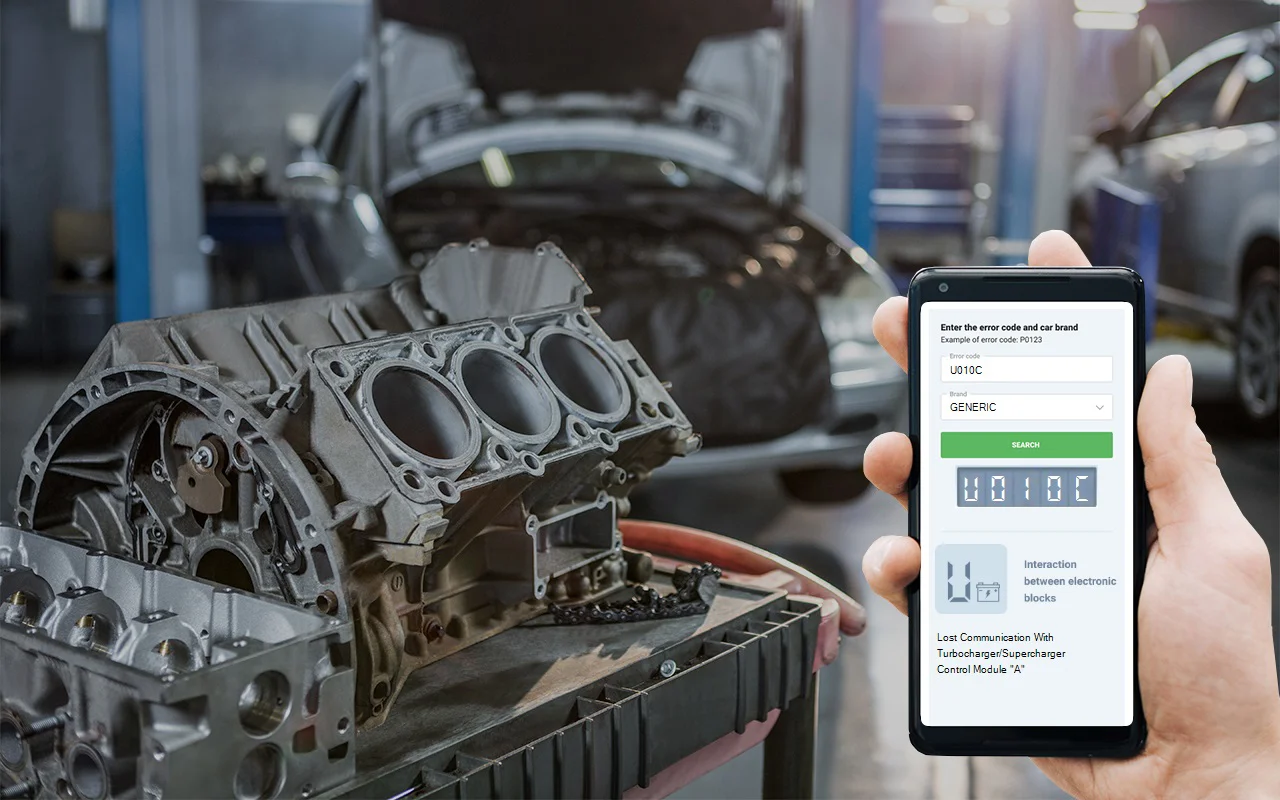
I’ve seen a lot of folks jump straight to replacing the turbocharger or actuator without checking the wiring or network connections first. That’s a surefire way to waste money and time. Another common mistake is ignoring other communication codes that might be present-sometimes the root cause is a network issue, not the actuator itself. Skipping the basics, like checking for blown fuses or corroded connectors, is another pitfall. Trust me, it’s best to start simple before you start swapping expensive parts.

Seriousness and obd2 code U010C
This isn’t something you want to ignore. When the PCM can’t communicate with the turbo or supercharger actuator, your engine can lose power in a hurry, and you might find yourself stuck in limp mode. That’s a serious hazard, especially if you’re trying to merge onto a highway or pass another car. Plus, running the engine with improper boost control can cause extra stress on the turbocharger, supercharger, or even the engine itself. Things can go south quickly if overlooked, and you could end up with bigger, more expensive repairs down the line-like a damaged turbo, actuator, or even engine internals. Don’t put this off for later.
Repair options for U010C code
In cases like this, the most reliable fixes are based on what the diagnostics turn up. If you find damaged wiring or corroded connectors, repairing or replacing them is usually all it takes. If the actuator or its control module is faulty, replacing it is the way to go-just make sure to follow the OEM procedures for calibration and setup. Sometimes, the issue is with the CAN bus itself, so repairing any network wiring faults is necessary. And don’t forget to clear the codes and test-drive the vehicle to make sure the repair worked. I recommend starting with the simple stuff-wiring and connectors-before moving on to the more expensive components.
Conclusion
To sum it up, the U010C code means your car’s computer has lost contact with the turbocharger or supercharger actuator, which can seriously affect performance and safety. Diagnosing it should be a top priority, starting with basic wiring checks and moving up to the actuator and network if needed. The risks just aren’t worth ignoring-acting quickly is the best way to avoid bigger headaches. From experience, the most reliable fix is to methodically check each part of the system and only replace what’s actually faulty. That’s the best path to getting your car back to full power and keeping you safe on the road.