
Causes of U029E code
From what I’ve seen in the shop and what the official repair info says, the most common causes for a U029E code are:
- Loose, corroded, or damaged wiring or connectors at the NOx Sensor B
- A failed or faulty NOx Sensor B itself
- Problems with the sensor’s power or ground supply
- Issues with the CAN communication wiring between the sensor and the vehicle’s main computer
- Less commonly, a fault in the engine control module (ECM) or powertrain control module (PCM)
Most often the issue is with the wiring or the sensor itself. In rare cases, it’s a deeper problem with the vehicle’s computer or network wiring.
Symptoms of obd code U029E
If this code is active, you’ll probably notice the check engine light is on. Sometimes, you might also see a warning about the emissions system or even a message about reduced engine power. In some vehicles, you could notice the engine running rough, poor fuel economy, or even the car going into a ‘limp’ mode to protect itself. But honestly, sometimes the only clue is that warning light-so it’s easy to overlook until it becomes a bigger headache.

Diagnosis of U029E trouble code
Here’s how I usually tackle a U029E code, step by step:
- First, I start with a visual inspection. Pop the hood and look at the wiring and connector for the post-catalyst NOx sensor. Make sure nothing’s loose, corroded, or damaged. Sometimes road debris or heat can mess things up down there.
- Next, I check for water intrusion or corrosion inside the connector. It’s best to have someone wiggle the harness while you watch for any changes or warning lights flickering.
- Then, I use a scan tool to see if the sensor is communicating at all. If it’s not, I’ll check the power and ground at the sensor using a multimeter. No power or ground? That’s your problem right there.
- If the wiring and power look good, I’ll check the CAN communication lines for continuity and shorts. This step takes a bit more know-how, but it’s important not to skip it.
- Finally, if everything else checks out, I’ll suspect the sensor itself or, in rare cases, the vehicle’s main computer. Swapping in a known-good sensor can help confirm this.
It’s best to start with the basics-wiring and connectors-before moving on to the more complicated stuff. Don’t forget to clear the code and see if it comes back after any repairs.
Common Mistakes with U029E
I’ve seen folks jump straight to replacing the NOx sensor without checking the wiring or connectors first. That’s a surefire way to waste money. Another common mistake is ignoring the possibility of a blown fuse or a bad ground-simple things that can cause big headaches. Skipping the CAN line checks can also lead to misdiagnosis, especially if there’s a hidden wiring issue. Always double-check the basics before replacing expensive parts.

Seriousness of dtc U029E
This is something you don’t want to put off. When the NOx sensor isn’t talking to the computer, your emissions system can’t do its job. That means you could be polluting more than you realize, and in some cases, the engine might run poorly or go into limp mode. Over time, ignoring this can lead to damage to the catalytic converter or other emissions components. Honestly, it’s dangerous to ignore this-things can go south quickly, and you could end up with a much bigger repair bill down the road.
Repair solutions for obd2 code U029E
Here’s what I personally recommend for fixing a U029E code, based on what works in the field and what the manuals say:
- Repair or replace any damaged wiring or connectors at the NOx sensor
- Clean any corrosion from the connector and apply dielectric grease to protect it
- Replace the NOx Sensor B if it’s confirmed faulty
- Repair any issues with the power or ground supply to the sensor
- If needed, repair or replace damaged CAN communication wiring
- In rare cases, reprogram or replace the vehicle’s main computer if it’s the source of the problem
After repairs, always clear the code and take the car for a test drive to make sure everything’s fixed for good.
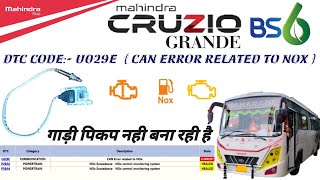
- Mahindra CRUZIO GRANDE BS6 Bus me DTC CODE U029E problem.NOX sensor, ATS wiring Problem. Low pickup.
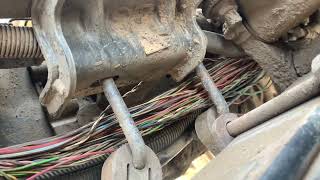
- Bs6 code #U029D / #U029E Upsteam NOX Sensor Wiring repair Mahindra truck 55
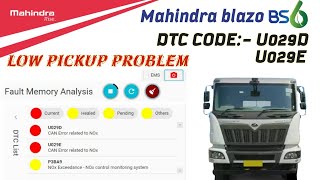
- How to solve DTC fault code U029D and U029E in Mahindra blazo bs6 truck.(can error related to nox)
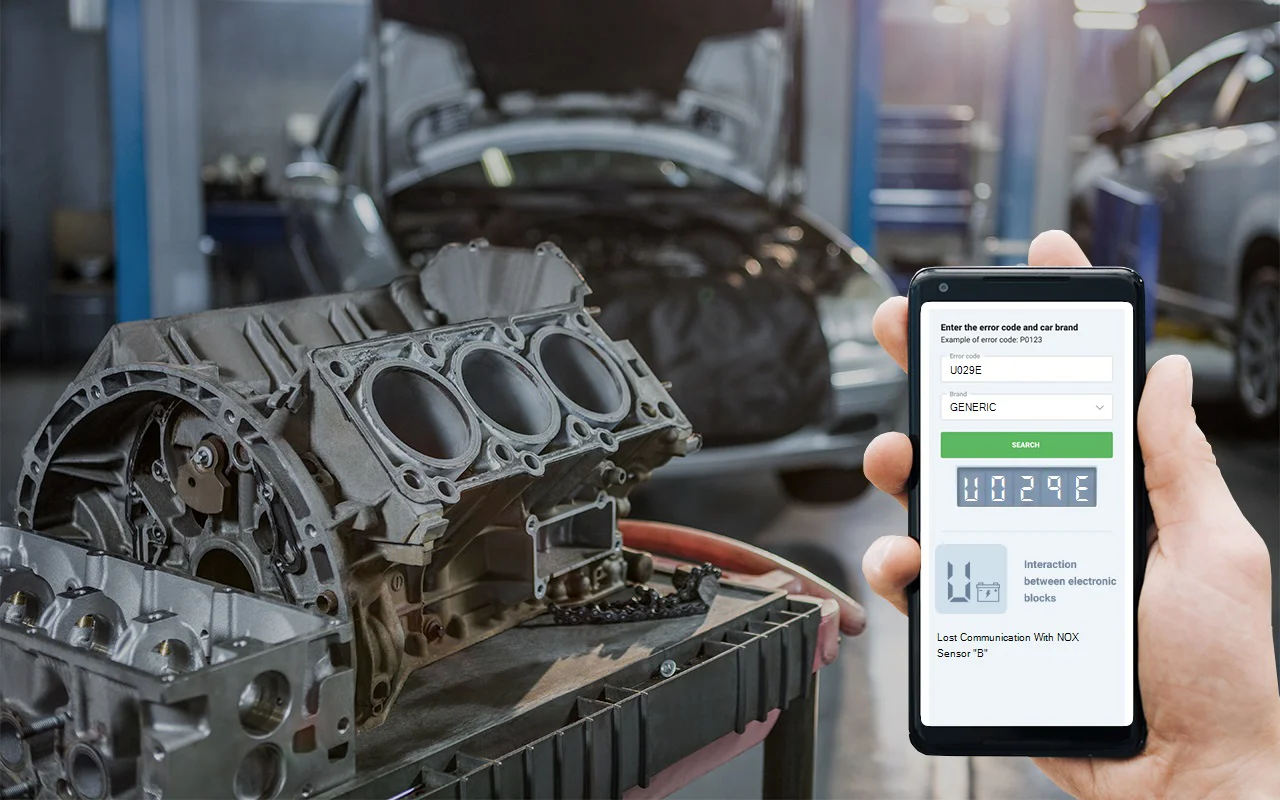
- DTC Ford U029E Short Explanation

Conclusion
To sum it up, U029E means your car’s computer can’t talk to the post-catalyst NOx sensor, which is a key part of your emissions system. It’s usually a wiring or sensor issue, but sometimes it’s something deeper. Don’t put this off-acting quickly can save you from bigger headaches and expensive repairs. The best way to tackle it is to start with the simple checks, work your way through the wiring, and only replace parts when you’re sure they’re the culprit. That’s the most reliable way to get your car back in shape and keep you out of trouble on the road.
 3826
3826 5 minutes of reading