
Common Causes of the P1101 Error Code
The P1101 error code can be caused by several different issues related to airflow sensors and engine components. Some of the most common causes include:
- Dirty or faulty MAF sensor: The MAF sensor measures the amount of air entering the engine. A dirty or malfunctioning MAF sensor can send incorrect readings to the ECU, leading to incorrect calculations of airflow.
- Leaking or cracked intake hoses: If there is an air leak in the intake system, it can allow extra air into the engine, throwing off the balance and leading to the P1101 code.
- Malfunctioning MAP sensor: The MAP sensor measures the pressure within the intake manifold, and any issues with it can cause airflow calculations to be inaccurate.
- Faulty EGR valve: The EGR valve recirculates exhaust gases into the intake manifold. If it’s stuck open or closed, it can affect airflow readings and cause the P1101 error.
- Throttle Position (TP) sensor issues: The TP sensor monitors the throttle position and helps regulate air and fuel flow. A malfunctioning TP sensor can lead to inaccurate airflow data.
- Incorrect air-fuel mixture: If the air-fuel mixture is too rich or too lean, it can cause incorrect readings from these sensors.
Symptoms of the P1101 Code in Chevy Vehicles
When your Chevrolet triggers the P1101 error code, you may notice the following symptoms:
- Illuminated check engine light (CEL)
- Decreased engine performance or power loss
- Increased fuel consumption or poor fuel economy
- Rough idling or engine stalling
- Uneven acceleration or sluggish throttle response
- Potential starting problems or hesitation
If you notice any of these symptoms, especially in models like the Chevrolet Cruze or Malibu, it’s essential to have the issue diagnosed as soon as possible to prevent further damage to the engine or other components.

How Serious Is the P1101 Error Code?
The P1101 code, while not as critical as some other engine codes, should still be addressed as soon as possible. Ignoring this error can lead to reduced engine performance, poor fuel economy, and potentially even engine damage if the issue worsens over time. Additionally, a malfunctioning sensor or intake system can cause more expensive repairs if left unresolved. It’s always best to address the issue promptly to prevent further complications.
How to Fix the P1101 Code in Chevrolet
Fixing the P1101 error code in your Chevrolet involves identifying the source of the airflow discrepancy between your vehicle's sensors and the Engine Control Unit (ECU). Below are the steps you can follow to resolve this issue and restore your car's performance:
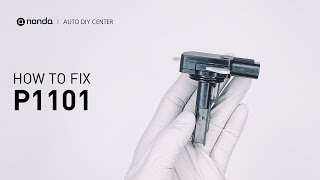
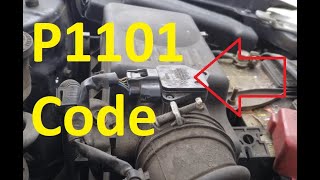
- 1. Inspect the MAF Sensor: The Mass Air Flow (MAF) sensor is a common culprit for triggering the P1101 code. Start by checking the sensor for any dirt, debris, or signs of wear. A dirty sensor can be cleaned using a specialized MAF sensor cleaner. If cleaning doesn’t work, the sensor may need to be replaced.
- 2. Check the Intake System for Leaks: Air intake leaks are another frequent cause of the P1101 code. Inspect the air intake hoses, ductwork, and air filter for cracks, holes, or loose fittings. Even a small air leak can disrupt airflow readings. Repair or replace any damaged components as necessary.
- 3. Test the MAP Sensor: If the MAF sensor isn’t the issue, focus on the Manifold Absolute Pressure (MAP) sensor. This sensor measures pressure inside the intake manifold. A malfunctioning MAP sensor can provide incorrect data to the ECU. If needed, replace the sensor.
- 4. Inspect the EGR Valve: The Exhaust Gas Recirculation (EGR) valve can also be responsible for the error code. If the valve is stuck open or closed, it will affect airflow and trigger the P1101. Clean or replace the EGR valve if you find it to be faulty.
- 5. Examine the Throttle Position Sensor: The Throttle Position (TP) sensor monitors the throttle's movement. If it’s not functioning properly, it can disrupt airflow readings. Check the sensor for damage or electrical issues, and replace it if necessary.
- 6. Clear the Error Code: After making the necessary repairs, use an OBD-II scanner to clear the P1101 error code and reset the check engine light. This will allow the ECU to re-learn the correct airflow data.
Addressing the P1101 code promptly ensures that your Chevrolet maintains optimal engine performance and fuel efficiency.

Conclusion
Make sure to take care of the P1101 code as soon as possible to avoid costly repairs in the future. Whether you’re dealing with a dirty MAF sensor, a faulty EGR valve, or a leaking intake system, diagnosing the problem quickly will help keep your Chevrolet running smoothly.
 5746
5746 5 minutes of reading