
Possible causes
- Fault or error in one of the modules (ABS, BCM, TCM, PCM, etc.)
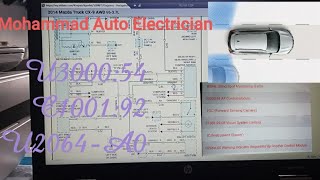
- Poor connection or problem in the CAN bus (communication between modules)
- Corroded or damaged connectors
- Low battery voltage or unstable power supply
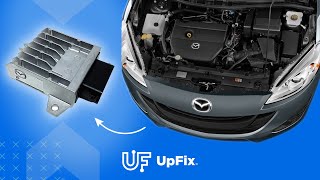
- Module replaced or updated without proper setup
Symptoms
- “Check Engine” or other warning light appears
- No specific fault message on the dashboard
- Vehicle may drive normally or have minor glitches
- Some features like cruise control or TCS may be disabled

How to diagnose?
- Scan all modules for error codes (not only the engine)
- Check CAN bus for communication errors
- Inspect wiring, connectors, and power supply
- Identify which module is requesting the warning
How common is it?
This error is not very common, but may appear after:
- Electrical repairs or ECU updates
- Battery replacement or low battery
- Installing aftermarket electronics (alarms, audio, etc.)
Often seen in Mazda 3, 5, CX-7, CX-9 with mileage over 100,000-150,000 km.

Is it serious?
Error U2064 is not critical, but it should not be ignored. It means communication between modules is not fully working, which can lead to more serious issues later.
How to fix it?
First, run a full scan of all control units. Check wiring, connectors, and power. If any module has its own fault codes, diagnose it separately. After fixing the root cause, clear all codes and test the vehicle.


Conclusion
U2064 is a network error code meaning one module asked for a warning light, but the main system doesn’t know exactly why. It’s not dangerous but requires careful diagnosis. Often, checking connections and related modules helps fix it without big costs.
 5341
5341 2 minutes of reading