
Causes of P0006 code
From what I’ve seen in the shop and what the official manuals say, the most common reasons for a P0006 code are pretty straightforward. Most often, it’s a failed fuel shutoff valve itself-that’s the part that actually stops the fuel when needed. But I’ve also come across wiring issues, like damaged or corroded wires and connectors leading to the valve, which can interrupt the signal. And, though it’s not as common, sometimes the PCM (the car’s computer) can be at fault, either due to a software glitch or a rare hardware failure. Here’s how I’d sum up the usual suspects:
- Faulty fuel shutoff valve
- Problems with the wiring or connectors in the circuit
- PCM malfunction or software issue
Symptoms Associated with P0006
If your car’s got a P0006 code, there are a few things you’ll probably notice. The check engine light is almost always the first sign-think of it as your car’s way of waving a red flag. In cases like this, you might also feel the engine running rough, losing power, or even stalling out completely. Sometimes, the engine won’t start at all. Reduced fuel mileage can also sneak up on you. Basically, if your car suddenly feels sluggish, stalls, or just won’t start, and that warning light is on, this code could be the culprit.

How to Diagnose dtc P0006
Here’s how I usually tackle a P0006 code, step by step. First, I always start with the basics-don’t skip the simple stuff!
- Scan for codes: Use a scan tool to confirm P0006 and check for any other related codes. This helps narrow things down.
- Visual inspection: Pop the hood and take a good look at the wiring and connectors going to the fuel shutoff valve. Look for frayed wires, corrosion, loose connections, or anything that looks out of place. It’s better to have someone assist you with a flashlight here.
- Check the fuel shutoff valve: If the wiring looks good, I’ll test the valve itself. Depending on your vehicle, this might mean unplugging the connector and checking resistance with a multimeter. Compare your readings to the specs in the repair manual.
- Test the circuit: If the valve checks out, I’ll move on to the circuit-making sure there’s proper voltage and ground at the connector when the key is on. No voltage? Trace the wiring back to the PCM and look for breaks or shorts.
- PCM check: Only after ruling out the valve and wiring do I consider the PCM. Sometimes, a software update is needed, or in rare cases, the PCM itself is faulty.
Common Mistakes When Fixing P0006 engine code
I’ve seen a few common pitfalls when folks try to tackle this code. One big mistake is jumping straight to replacing the fuel shutoff valve without checking the wiring first. Another is overlooking corrosion or loose pins in the connectors-these can cause all sorts of headaches. Sometimes, people ignore the possibility of a PCM software issue, especially if there’s a technical service bulletin out for their vehicle. Skipping steps or not following the diagnostic order can lead you in circles, wasting time and money.

Seriousness of obd2 code P0006 Problems
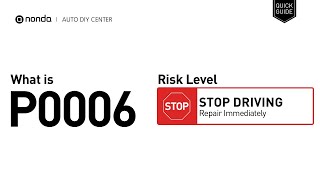
Honestly, this isn’t something you want to ignore. If the fuel shutoff valve or its circuit isn’t working right, your engine could stall unexpectedly-which is a serious hazard, especially if you’re driving at speed or in traffic. In some cases, the engine might not start at all, leaving you stranded. If the problem is left unchecked, you could also end up damaging the high-pressure fuel pump or even the PCM, which can get expensive fast. Things can go south quickly if overlooked, so don’t put this off for later.
Repair Steps for obd code P0006
Once I’ve pinpointed the problem, here’s what I usually do to fix it:
- Replace the faulty fuel shutoff valve if it’s failed or out of spec.
- Repair or replace any damaged wiring or connectors in the circuit.
- Update the PCM software if there’s a known issue or TSB for your vehicle.
- In rare cases, replace the PCM if it’s confirmed to be faulty and all other causes have been ruled out.

Conclusion
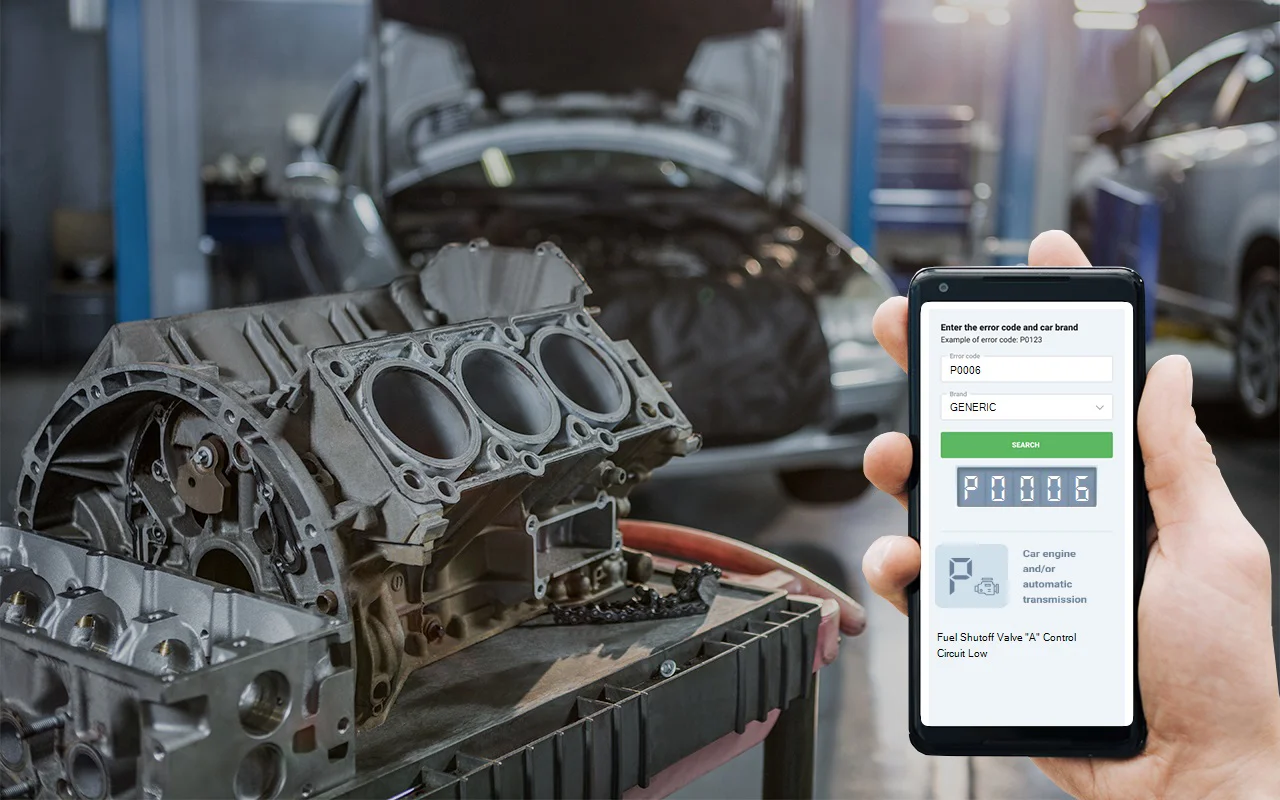
To sum it up, P0006 means your car’s computer has spotted a problem with the fuel shutoff valve or its control circuit. This isn’t a code to take lightly-it can lead to stalling, no-starts, and even expensive damage if ignored. From experience, the most reliable way to resolve it is to start with a careful inspection of the wiring and valve, then move on to the computer if needed. Don’t delay-get it checked out and fixed promptly to keep your car running safely and smoothly.
 3814
3814 5 minutes of reading