
Causes of P0121 code
From my time under the hood, P0121 almost always traces back to a few usual suspects. Nine times out of ten, the throttle position sensor itself is the troublemaker-either it's worn out or just flat-out failed. But here's a pro-tip from the garage: don't overlook the wiring or connectors in that circuit. A corroded pin or a frayed wire can throw the sensor's readings way off. Every so often, I’ll pop off a throttle body and find it coated in carbon, causing the throttle plate to stick. That sticky throttle can mimic a bad sensor and easily trip this code. On vehicles with electronic throttle control, a faulty accelerator pedal position sensor-or its wiring-can do the same thing. And then there are those head-scratchers: a glitchy PCM or a sneaky issue with the MAP or MAF sensor. Over the years, I’ve seen all of these trigger P0121, and yes, this error pops up on Fords, Toyotas, Chevrolets, and GM vehicles, too. Here’s what I run into most often:
- Defective throttle position sensor (TP sensor)
- Wiring or connection issues in the TP sensor circuit
- Throttle body problems (like sticking or carbon buildup)
- Faulty accelerator pedal position (APP) sensor or its circuit (especially on newer cars)
- Problems with related sensors (MAP or MAF sensors)
- Engine control module (ECM/PCM) issues, though this is rare
This error can also happen on brands like Ford, Toyota, Chevrolet, and GM.
Symptoms of obd2 code P0121
Whenever I see P0121 show up, there are a handful of symptoms I know to look for right away. First off, that check engine light will be shining bright. But that's just the start. You might notice your car struggles to start, or worse, it'll stall out on you at a stoplight. Sometimes the throttle response is all over the place-press the gas, and nothing happens, or you get a weird hesitation. Other times, the idle's rough, almost like the engine's stumbling over itself. In some cases, especially with modern cars, the computer goes into a “limp mode”-suddenly, you can't accelerate past a crawl no matter how hard you press the pedal. If your ride is a Toyota or a Chevy, don't be surprised if you see related codes like dtc p0121 chevrolet or dtc p0121 toyota show up alongside it. All of these are signs your throttle system isn't happy, and you shouldn't ignore them.

Diagnosis steps for P0121 engine code
When I get a P0121 in my bay, I always go step by step-no shortcuts. Here’s how I do it, and how you can too if you’re up for some hands-on troubleshooting. Step one: check your battery voltage and make sure all those ground connections are solid. I can’t tell you how many weird codes are caused by low voltage or bad grounds. Next, I get in there and inspect the wiring and connectors to the throttle position sensor. A loose, dirty, or corroded connector can set off this code just as easily as a bad sensor. Give the harness a careful wiggle while watching for any broken wires or that telltale green corrosion. After that, I’ll hook up a scan tool and watch the live data from the TP sensor. As you slowly press the gas, the numbers should rise smoothly-if they jump, stick, or don’t move, something’s wrong. On vehicles with electronic throttle control, I’ll compare the readings from the accelerator pedal position sensor, too. Don’t forget the basics: if the throttle body looks grimy, clean it out. Carbon buildup can cause the throttle plate to stick, messing with sensor readings. Got a multimeter? Backprobe the sensor and check for the right voltage and ground. It helps to have a second set of hands: one person works the pedal, the other watches the readings. If you’re still stumped, check for any related codes-sometimes it’s a MAP or MAF sensor problem, or even a rare PCM issue. For GM owners, keep an eye out for gm dtc p0121 00; some systems use that variation. Take your time and be thorough-rushing just leads to mistakes.
Common Mistakes when fixing obd code P0121
A classic mistake I see is folks immediately swapping out the throttle position sensor as soon as they see P0121, without checking the wiring or connectors first. That’s a fast way to waste money. Another one? Forgetting about the accelerator pedal position sensor on newer rides-that part can fail or its wiring can go bad, causing the exact same code. Some people also skip cleaning the throttle body, not realizing a sticky blade can throw off the sensor reading just as badly as a faulty sensor. And here’s one more: ignoring other codes stored in the system. Those extra codes are like breadcrumbs-they’ll often lead you straight to the real issue. Finally, don’t get tripped up by similar codes like p0121 or toyota dtc p0121; always double-check which code you’re actually dealing with before you start throwing parts at the problem.

Seriousness of P0121
Let me be blunt-P0121 isn’t something to shrug off. A bad throttle or pedal position sensor can turn your car into a wild card. I’ve seen engines stall in the middle of intersections or refuse to accelerate when you need it most. That’s not just annoying-that’s downright dangerous, especially in busy traffic. If you let it slide, you’re risking bigger headaches like fouled spark plugs, a clogged catalytic converter, or even frying the engine control module. I always tell folks: don’t gamble with drivability or safety. If this code pops up, get it checked out pronto so you aren’t left stranded or facing a much bigger repair bill later.
How to repair P0121 trouble code
Once you’ve tracked down what’s causing P0121, fixing it is usually pretty straightforward. Here’s my go-to checklist for repairs:
- Swap out the throttle position sensor if it’s bad
- Fix or replace any sketchy wiring or connectors in the TP or APP circuits
- Clean the throttle body-make sure the throttle plate moves freely
- Replace the accelerator pedal position sensor if that’s the culprit
- Address any issues with the MAP or MAF sensors if they’re acting up
- If you’re dealing with a rare computer glitch, sometimes the ECM needs an update or reflash-don’t rule it out on newer cars
After repairs, I always clear the code and take the car for a good spin. I want to see that check engine light stay off and make sure the throttle response is smooth before I call the job done. Don’t skip the test drive-a quick check in the parking lot isn’t enough.
- 💥 P0121 CÓDIGO OBD2 | SOLUCIÓN PARA TODAS LAS MARCAS
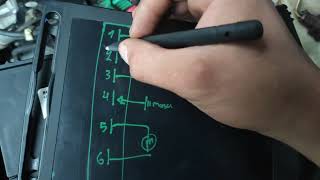
- Peugeot , P0121,P0122 problemas con el cuerpo de aceleración electrónico Diagnósticos RESISTENCIAS
- P0341 ✅ SYMPTOMS AND CORRECT SOLUTION ✅ - Fault code OBD2

- Causes and Fixes P0121 Code: Throttle/Pedal Position Sensor “A” Circuit Range/Performance Problem

Conclusion
At the end of the day, P0121 means your car’s brain isn’t happy with what it’s hearing from the throttle or pedal position sensor, and trust me, it’s not a problem you want to put off. Stalling or losing power on the road can turn a routine drive into a nightmare. In my experience, your best bet is a methodical approach-start with a careful look at the wiring and connectors, make sure the throttle body isn’t sticking, and only replace parts you know are bad. Don’t cut corners, and if any step feels over your head, save yourself the hassle and call in a pro. Acting quickly isn’t just about saving money-it’s about keeping you and your passengers safe and getting your car back to running the way it should.

 5442
5442 7 minutes of reading