
Causes of obd2 code P0457
From years of diagnostics, let me tell you-nine times out of ten, p0457 comes down to something simple like a gas cap that isn’t tight or has gone bad. Still, there are a few other troublemakers worth checking. Here’s what I usually find:
- Gas cap that’s loose, missing, or wasn’t clicked tight after your last fill-up.
- Cap seal that’s cracked, dried out, or just gunked up with dirt.
- A damaged or broken gas cap-sometimes they just wear out or break from age.
- Fuel filler neck that’s rusted, cracked, or corroded so you can’t get a tight seal.
- Leaks in the EVAP hoses or their connections-these hoses don’t last forever, especially in harsh climates.
- Occasionally, a charcoal canister or vent valve goes bad and lets vapors escape.
Start with the gas cap-it’s the fastest, cheapest, and most common fix I see in the garage.
Symptoms of P0457 engine code
If you’ve got this code, the check engine light almost always lights up. Sometimes, you’ll catch a whiff of fuel around the car, especially after you’ve just filled the tank. In most cases, your car will drive just fine-no stalling or rough idling to worry about. But that fuel smell? That’s a red flag. Vapors are leaking, and you don’t want to ignore that.

Diagnosis steps for dtc P0457
When I get a dtc code p0457, here’s my go-to process. First up, grab the gas cap-make sure it’s there and screwed on until it clicks. If it’s not, or if it feels loose, that’s likely your problem. Inspect the rubber seal carefully. If it’s brittle, cracked, or caked in grime, clean it off or just replace the whole cap. Next, clear the code with a scan tool, then drive for a bit and see if it returns. If the code comes back, get a flashlight and check the fuel filler neck for any cracks or rust. After that, hunt for visible issues on the EVAP hoses-look for splits, loose clamps, or any spots that look chewed up or aged. In stubborn cases, I’ll use a smoke machine to find those sneaky leaks, but you can often spot or smell the problem without fancy gear. Don’t overlook the charcoal canister and vent valve areas; leaks there are less common, but they happen. If you’re crawling under the car, have a buddy around for safety. If you’re not sure, swapping out the gas cap is a good, low-cost move before chasing harder-to-find leaks. And if you drive a Ford or Jeep, don’t be surprised-these brands are known for tossing this code now and then.
Common Mistakes when fixing P0457
A classic mistake I see: folks get nervous about the check engine light and immediately start replacing sensors or expensive parts, skipping the obvious stuff. Another thing-don’t ignore the gas cap’s rubber seal or forget to clean off dust and debris. Even a little dirt can prevent a good seal. Over the years, I’ve seen people miss hairline cracks in filler necks or hoses just because they didn’t look closely enough. Skipping a slow, careful inspection often leads to wasted money and time. Always start with the basics before chasing bigger repairs.

Seriousness of P0457 trouble code
Let me be clear: while dtc p0457 jeep usually won’t mess with how your car runs, it’s not something you want to ignore. Escaping fuel vapors are a real fire risk, especially if you park in a garage or near anything that sparks. Leave it too long, and you might cause damage to parts like the charcoal canister or vent valve-repairs that can really add up. Plus, you’ll almost certainly fail an emissions test with this code hanging around. Don’t drag your feet on this-what looks small now can blow up into a big, expensive headache.
Repair solutions for obd code P0457
Nine times out of ten, just tightening or swapping out the gas cap solves the problem. If not, take a good, hard look at the fuel filler neck-if it’s damaged, replace it. Check all those EVAP hoses for cracks or loose ends and change out anything that looks worse for wear. If you sniff out leaks near the charcoal canister or vent valve, those might need to be replaced too. After each fix, clear the code and see if it comes back. Here’s a pro-tip: stick with OEM parts for the gas cap and anything EVAP-related-they fit right and seal tight. If you’re chasing obd p0457, these steps almost always get you back on track fast.
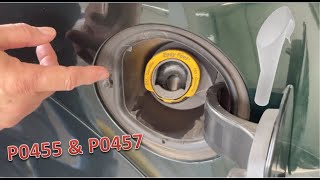
- QUICK FIX - How To Fix EVAP Code On Ford Cap-less Car - P0455, P0457 - Explorer, Edge, Fusion
- DTC P0457 Overview: Evaporative Emissions System – Leak Detected (Fuel Cap Loose/Off)
- How to Diagnose and Fix P0457 Engine Code - OBD II Trouble Code Explain
- HOW TO FIX EVAP CODES FOR GOOD (LARGE/SMALL LEAK DETECTED) P0455 P0456 P0457 P0458 P0459
Conclusion
So, in a nutshell, p0457 means your EVAP system has sprung a big leak-most often thanks to a loose or faulty gas cap. It’s a code you can’t afford to ignore because of the safety risks and the fact you’ll flunk emissions. Start by checking the gas cap, then move on to the filler neck and hoses if you need to. Don’t shrug off the warning light-what seems like a minor nuisance now could lead to much bigger repairs later. From my time in the garage, a new, well-fitting gas cap fixes this most of the time, but be ready to dig deeper if that pesky code keeps coming back.
 5106
5106 6 minutes of reading