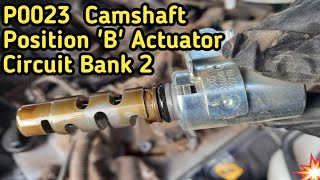
P0023 is one of those codes I’ve run into plenty of times in the shop. It’s what pops up when your car’s computer spots an issue with the exhaust camshaft position actuator circuit on bank 2 - that’s the engine side opposite cylinder #1. This part of the system is tied to your variable valve timing (VVT), which is designed to help your engine run smoother, squeeze out better mileage, and give you more punch when you step on it. What’s happening is the VVT system tweaks how your exhaust valves open and close, depending on your driving style or engine load. If the computer (PCM) sees the voltage in that actuator circuit isn’t behaving like it should for a certain stretch of time, it throws the P0023 code. So, what does this actually mean for your car? The PCM can’t get proper control over the exhaust camshaft on that engine bank, and that really messes with overall engine performance.
DTC P0023
 6066
6066 5 minutes of reading
Causes of the P0023 code
From experience, I can tell you that p0023 is most often caused by a problem with the VVT actuator or the solenoid that controls oil flow to it. Here’s what I usually see as the main culprits:
- A failed VVT actuator winding (it can be shorted or open inside)
- A malfunctioning VVT oil flow control valve solenoid (sometimes the solenoid itself fails, or it gets stuck)
- Damaged wires or poor connections in the VVT circuit (corrosion, pinched wires, or loose plugs are common)
- In rare cases, a faulty PCM or a software issue that needs an update
It’s usually something electrical or mechanical in the VVT system, and I always recommend starting with the basics before jumping to conclusions.
Symptoms of a P0023 trouble code
If you’ve got this code showing, here’s what you’ll likely notice. The check engine light is usually the first thing that grabs your attention. Beyond that, I’ve seen engines run rough, especially at idle or when you hit the gas. Don’t be surprised if your car feels a bit sluggish, or if your fuel mileage drops off. Sometimes you’ll get hesitation or a general lack of power. All these point to a VVT system that’s not pulling its weight - meaning your engine isn’t operating as efficiently as it should.

Diagnosis process for P0023
Let me walk you through how I usually tackle p0023, just like I would on the shop floor:
- First thing’s first: check your oil level and quality. Dirty or low oil can mess with the VVT system in no time flat.
- After that, I’ll take a good look at the wiring and connectors running to the VVT solenoid on bank 2. Any signs of corrosion, pinched wires, or a loose plug are worth noting. Sometimes just unplugging and re-plugging the connector does wonders.
- Next, I’ll grab a scan tool and command the VVT solenoid on and off, listening for a click or a slight change in engine sound. No response usually means a bum solenoid.
- If all looks good so far, I’ll test the solenoid itself by measuring resistance at its terminals. If it’s open or shorted, swap it out.
- I also make sure to check the wiring between the PCM and solenoid for continuity and possible shorts. A multimeter is your best friend here.
- If you’ve run through these and still haven’t found the issue, there’s a slim chance it’s the PCM itself, but that’s pretty rare. Nine times out of ten, you’ll find the culprit in the actuator, solenoid, or wiring.
I always say: start with the basics - oil, connectors, and wiring - before you dive into more complicated tests. And if you’re not confident with electrical work, get a buddy or a pro to give you a hand.
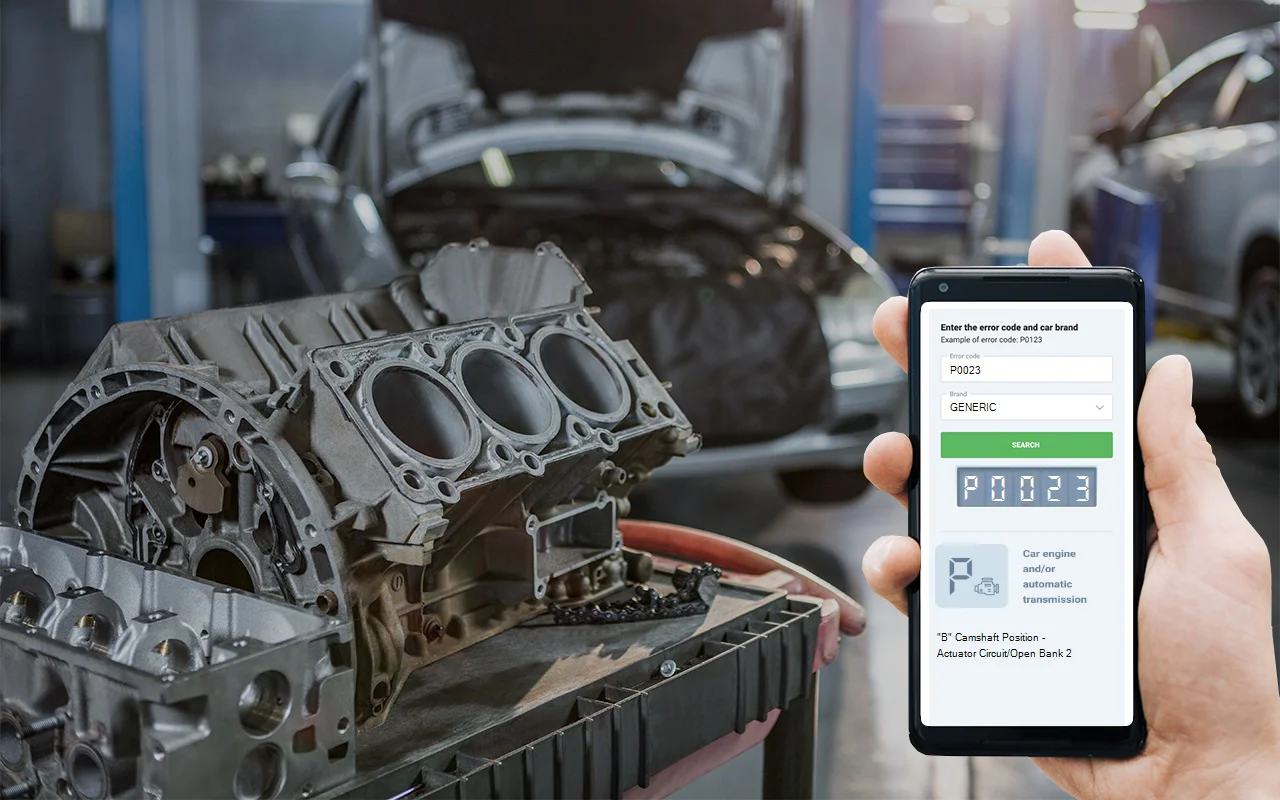
Common Mistakes when fixing dtc P0023
A classic mistake I see is folks swapping out the VVT solenoid right off the bat, without checking the oil or wiring first. Another one? Ignoring dirty or low oil, which is a surefire way to cause trouble in the VVT system. People also tend to overlook corrosion or bent pins on connectors - both sides, not just one. And sometimes, expensive parts get replaced before anybody bothers with a simple wire continuity check. Skipping these steps will almost always waste your time and money.

How serious is the P0023 engine code
Let me be straight with you: this isn’t a code you want to brush off. When the VVT system is acting up, you’re looking at rough running, loss of power, and higher fuel consumption. Keep driving like this and you’ll risk bigger headaches - camshaft actuator damage, timing chain wear, or even internal engine problems if it gets out of hand. I’ve seen things go downhill fast if ignored, especially with rough idle or power loss. Bottom line: don’t let this one sit. Tackle it before it grows into an expensive fix.
Repair options for obd2 code P0023
Here’s what usually fixes this issue, based on what I see in the field and OEM procedures:
- Changing the engine oil and filter if it’s dirty or low
- Repairing or replacing damaged wiring or connectors in the VVT circuit
- Replacing the VVT oil flow control valve solenoid if it’s faulty
- Replacing the camshaft actuator if it’s failed internally
- In rare cases, updating the PCM software or replacing the PCM if all else fails
Most often, it’s a bad solenoid or a wiring issue, but always start with the basics before swapping parts.
Conclusion
To sum it up, P0023 means your engine’s computer can’t properly control the exhaust camshaft on bank 2 due to an issue in the VVT actuator circuit. It’s a moderate to high priority because it affects how your engine runs and can lead to bigger problems if ignored. The most reliable way to resolve it is to check the oil, inspect the wiring and connectors, and test the VVT solenoid before replacing anything. Acting quickly can save you from a lot of headaches down the road.
- DODGE CHARGER CODE P0023 CAMSHAFT POSITION ACTUATOR B BANK 2, CHECK ENGINE LIGHT VVT SOLENOID
- P0023 B Camshaft Position Actuator Circuit Bank 2 🟢 Trouble Code Solved 🟢 Symptoms Causes Solutions

- P0023: "B" Camshaft Position Actuator Circuit Bank 2

- P0023 Toyota Kluger/Highlander How to Clean and Check Camshaft Timing Oil Control Valve VVT-I