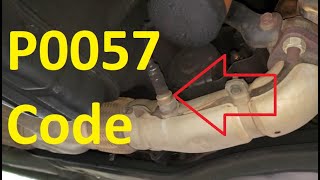
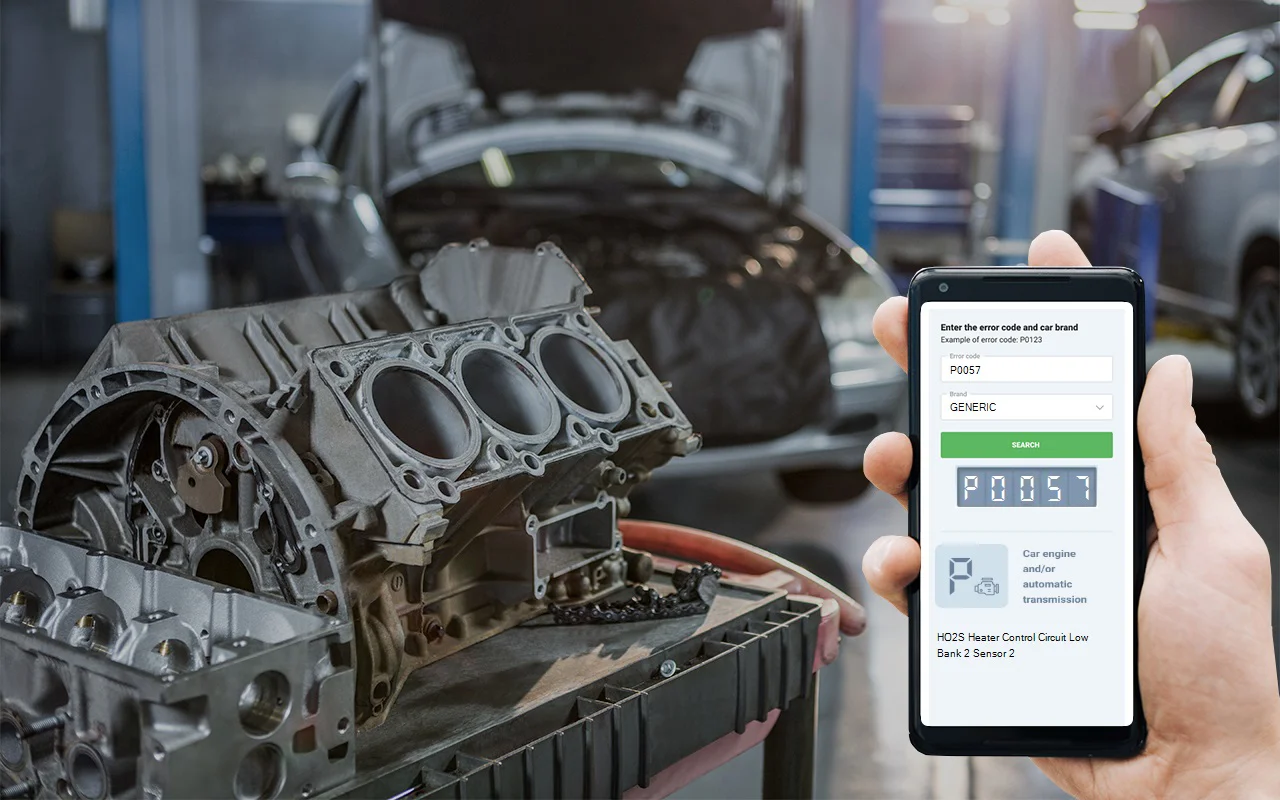
When you see P0057 pop up, what you’re really looking at is your vehicle’s computer flagging a problem with the heater circuit inside the oxygen sensor that sits after the catalytic converter-specifically on Bank 2, which is the side of the engine opposite cylinder one. Speaking from years of wrenching, this sensor’s there to help your PCM keep tabs on how well your catalytic converter is doing its job, and to help fine-tune the fuel mix for cleaner emissions and better efficiency. The built-in heater is essential-it gets the sensor up to working temp fast, so you’re getting accurate readings soon after you fire up the engine. If the computer sees voltage in that heater circuit drop lower than it should, that’s when it triggers the P0057 code and lights up your check engine light. In a nutshell, this whole system is about making sure your emissions stay in check and your engine runs at its best.
DTC P0057
 5215
5215 6 minutes of reading
Main Causes of obd2 code P0057
From my time in the shop, the number one reason you’ll see a p0057 code is a failed oxygen sensor-plain and simple. But don’t be fooled, because I’ve also chased down plenty of cases where the real villain was the wiring: maybe a cracked harness, corroded connector, or a short to ground somewhere in the heater circuit. Every now and then, the PCM’s internal driver for that sensor heater gives up the ghost, but honestly, that’s pretty rare in the wild. Here’s what usually lands on my checklist:
- Oxygen sensor failure (Bank 2, Sensor 2)
- Wiring gremlins-damaged harness, loose or corroded connectors, or wires in the heater circuit that are shorted or grounded
- PCM sensor heater driver failure (not something you see every day, but it happens)
More often than not, the sensor or its wiring is to blame. Start your hunt there. And just so you know, I’ve run into this issue on everything from Nissan and Toyota to Lexus and Hyundai vehicles.
Typical P0057 Symptoms
First sign you’ll likely spot? That trusty check engine light. Sometimes, that’s the only clue. But I’ve seen cases where you might notice the engine running a bit rough, maybe it feels a little sluggish, or you have to hit the gas station more often. When the sensor’s heater isn’t doing its job, the computer can’t dial in the fuel mix quite right-so you end up with an engine that’s not as smooth or as efficient as it should be. Basically, if your check engine light’s on and your MPG is taking a hit, this could be what’s going on.

Step by Step dtc P0057 Diagnosis
Let me walk you through how I’d track down a dtc p0057, step by step:
- I always kick things off by confirming the basics-check that the check engine light is on and verify the code with a scan tool. No sense guessing.
- Then, I get in there and eyeball the wiring and connector at Bank 2, Sensor 2. I’m looking for obvious stuff: frayed wires, crusty corrosion, loose connections. A good trick is to have someone gently wiggle the harness while you watch for anything funky.
- Next up, I grab the multimeter and check for the right voltage and ground at the heater circuit. With the key on, you should see battery voltage on the heater power wire. If not, you’ve got to chase the wiring back-look for breaks or shorts.
- If all that checks out, I’ll measure the resistance of the heater element inside the sensor. Most sensors have a specific resistance range-always double-check your repair manual for the exact spec. If the reading’s open or way off, odds are the sensor itself is toast.
- Still nothing? Time to check if the PCM’s controlling the heater circuit properly. This means back-probing the PCM connector and making sure it’s grounding the circuit when it should. If it’s not, the PCM could be at fault, but that’s the last thing I’d suspect.
Always start with the easy stuff-wiring and connectors-before diving deeper. And here’s a pro-tip: disconnect your battery before poking around in the wiring to avoid any nasty surprises.
Just FYI, if you’re searching for dtc p0057 Hyundai, you’re not alone-it’s a frequent flier on those cars too.
Common obd code P0057 Mistakes
A classic mistake I see all the time is folks swapping out the oxygen sensor right off the bat without even glancing at the wiring or connectors. In reality, bad wires or a crusty connector are just as likely to be the root cause. Another one? Not checking the heater resistance before you toss the old sensor-sometimes the sensor’s just fine, but the wiring’s let you down. Skipping these checks can cost you time and money. Always track down the real issue before throwing parts at the car. I’ve noticed a lot of drivers searching for p0057 Nissan dtc or toyota dtc p0057 while troubleshooting, because this headache isn’t limited to just one brand.

How Serious Is the P0057 engine code
Take it from me-this isn’t something you want to shrug off. Sure, it might not leave you stranded on the side of the road, but running with a faulty oxygen sensor heater can make your engine guzzle more fuel, run rougher, and over time, it can even wreck your catalytic converter. Without proper readings, the computer might run things too rich or too lean, and that’s a fast track to bigger, costlier repairs. Catalytic converters aren’t cheap, and poor fuel mileage adds up before you know it. Don’t drag your feet-get on top of this code quickly. Even folks dealing with dtc p0057 Lexus run into the same risks.
How to Repair a P0057 trouble code
Here’s how I usually fix a p0057 trouble code in the shop:
- If you spot damaged wiring or a sketchy connector, repair or swap it out. Always make sure your connections are clean and snug.
- If the sensor’s heater checks out of spec, replace the oxygen sensor (Bank 2, Sensor 2) with a good-quality replacement-don’t cheap out here.
- If you’re down to a bad PCM heater driver (after ruling out everything else), you might have to repair or replace the PCM-but that’s a last resort, and pretty rare.
Once you’ve made your fix, clear the code and take the car for a spin to be sure it’s sorted and the code stays gone.
Conclusion
Bottom line? P0057 means you’ve got a heater circuit issue in the downstream oxygen sensor on Bank 2. Nine times out of ten, it’s a failed sensor or a wiring fault, and if you let it slide, you risk lousy fuel economy and pricey catalytic converter damage. My advice: start with a sharp inspection of the wiring and connectors, then check the sensor itself before worrying about the PCM. Jump on the repair early to keep your engine happy and your wallet fatter. The best fix is usually repairing any wiring trouble or swapping in a fresh sensor-then always confirm with a good old-fashioned test drive.