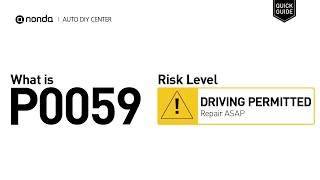
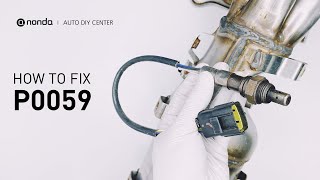
When you see P0059 pop up, your car’s computer is flagging a problem with the heater circuit in the oxygen sensor-specifically, the one on Bank 2, Sensor 1. Let me break that down for you: this sensor sits on the side of the engine that doesn’t have cylinder number one, and it’s the first oxygen sensor you’ll find, sitting right before the catalytic converter. The built-in heater is there so the sensor gets up to temperature quickly, which is key for reliable oxygen readings, especially on cold starts. If that heater circuit isn’t working right-maybe there’s too much resistance, maybe not enough-the computer catches the issue and throws this code. This sensor is vital for engine performance and keeping emissions where they should be. Ignore it, and you’re asking for more trouble than you bargained for.
DTC P0059
 4199
4199 6 minutes of reading
Causes of dtc P0059
From my years in the shop, I can tell you that a handful of issues almost always cause P0059. Here’s what I see most:
- The oxygen sensor itself (HO2S) has simply given up the ghost-these parts do wear out after years of heat and grime.
- Heater circuit shorts, either to ground or power, thanks to wires rubbing through or getting pinched, often near hot exhaust components.
- Sensor connectors gone bad, usually from corrosion, road salt, or simply too many years on the road.
- An open in the heater ignition circuit-meaning somewhere in the line, the connection’s lost.
- High resistance or an open in the heater control circuit, which often traces back to corroded or broken wires.
- And while it’s rare, I’ve seen the PCM (engine computer) itself go bad and cause this, but don’t bet on it being the culprit unless you’ve checked everything else.
Symptoms of P0059 code
When P0059 is active, here’s what I usually see-and what you’ll probably notice, too:
- The check engine light will almost always light up the dash.
- The engine might feel rougher or a bit sluggish-acceleration just isn’t what it used to be.
- You’ll spot your fuel mileage dropping, so expect more visits to the pump.
- Sometimes you get a richer-than-normal fuel mix, which makes the exhaust smell stronger-and if left too long, can cook the catalytic converter.
- If you ignore it, other related trouble codes can start popping up, turning a simple fix into a bigger headache.

Diagnosis process for obd code P0059
When I’m chasing down a P0059 code, here’s my tried-and-true process:
- I always start simple: check the sensor’s connector. Make sure it’s plugged in snug, and look for dirt, corrosion, or bent pins. Sometimes, all your car needs is a quick cleaning and a solid connection.
- Next stop is a good look at the wiring. Look for melted, frayed, or pinched wires-especially near the exhaust, where heat can do a number on insulation.
- With the engine off, I break out the multimeter and test the heater circuit resistance at the sensor. If the reading’s way off from the spec in the service manual, you’re likely looking at a bad sensor.
- If the sensor checks out, I run continuity tests on the wiring from the sensor connector back to the PCM. Any open circuits or stray grounds mean you’ve found your trouble spot.
- Don’t forget the fuse for the heater circuit. I can’t tell you how many times a blown fuse was the real villain.
- If the wiring, sensor, and fuse all check out, then-only then-I look at the PCM’s ability to control the heater. But honestly, that’s not where the issue usually hides.
- If you’re not comfortable poking around with a meter, get someone with electrical know-how to help out. And always disconnect the battery before you start unplugging or testing wires.
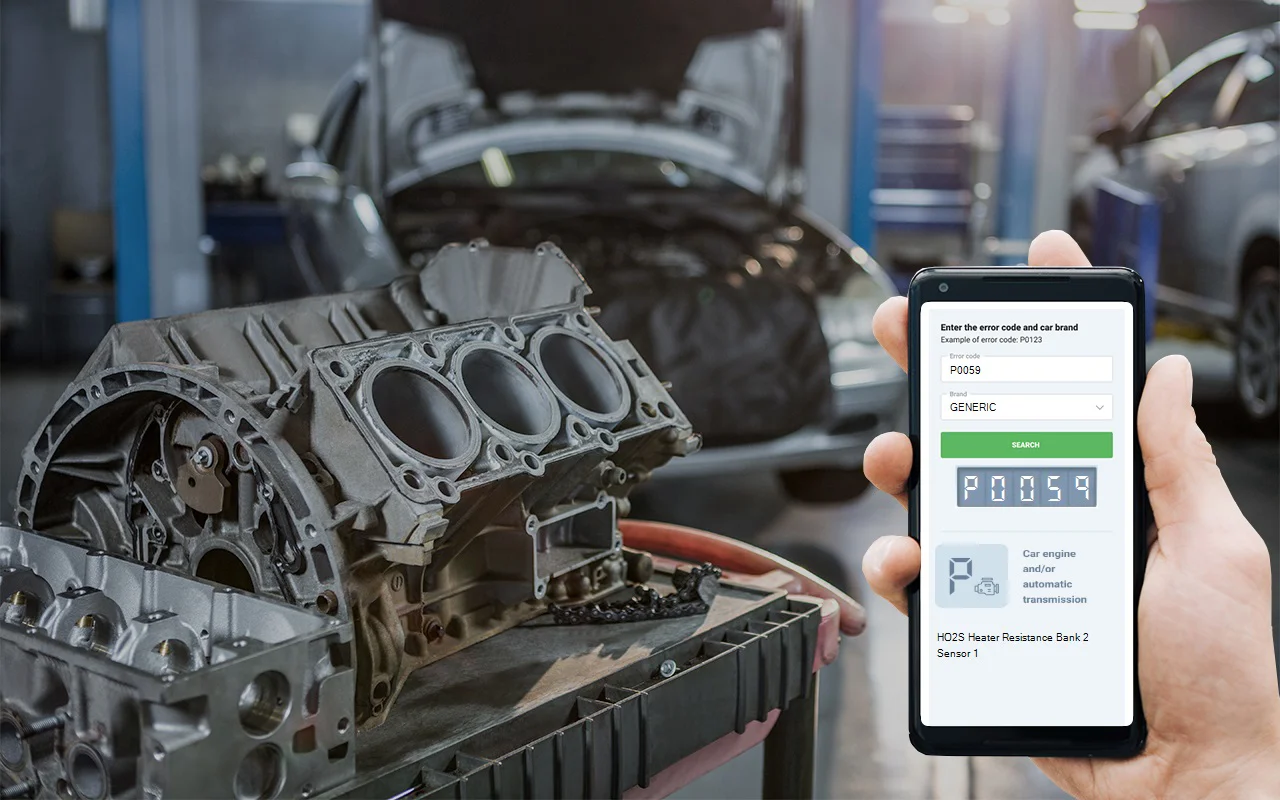
Common mistakes with P0059 trouble code
Over the years, I’ve watched plenty of folks fall into the same traps with this code:
- Jumping straight to replacing the oxygen sensor, skipping the basics like checking the wiring or connector. Sometimes, it’s just a loose plug or a wire chewed up by road debris.
- Forgetting all about the heater circuit fuse. It’s a five-minute check that can save a lot of frustration.
- Trying to guess at what’s wrong instead of using a scan tool or multimeter to actually test the heater circuit resistance. Guesswork here leads to wasted time and money.
- Mixing up Bank 1 and Bank 2 sensors. Always double-check which side of the engine you’re working on. Trust me, it’s easier to mix up than you think.

Seriousness of obd2 code P0059
P0059 isn’t something you want to brush off. Sure, your car will probably keep running, but you’re risking poor gas mileage, rough performance, and a fried catalytic converter if things go unchecked. That’s a repair bill nobody wants. On top of that, you’re putting out more emissions and could fail your next inspection. I’ve seen simple problems turn expensive fast when people ignore this one, so don’t wait around hoping it’ll fix itself.
Repair steps for P0059
Here’s what gets P0059 sorted in my experience:
- Swap out the upstream oxygen sensor on Bank 2 if the heater circuit doesn’t measure up.
- Patch or replace any damaged wiring or connectors leading to the sensor. The smallest nick or break can cause all sorts of trouble.
- Replace the heater circuit fuse if you find it blown-sometimes, that’s all it takes.
- If, after all that, the PCM isn’t controlling the heater circuit, repair or replace it-but honestly, that’s rarely the issue.
- Once you’ve fixed the root cause, clear the code and take your car for a spin to make sure it’s really gone for good.
Conclusion
Bottom line: P0059 means the heater circuit in your Bank 2 upstream oxygen sensor isn’t behaving, and your car’s computer caught it. Getting it sorted quickly is critical-otherwise, you’re looking at wasted fuel and a real risk to your catalytic converter. Start with the simple stuff: check the connector, wiring, and fuse before you reach for a new sensor. In my experience, taking a systematic approach almost always leads to a straightforward fix. Tackle this early, and you’ll keep your engine running strong-and avoid a much bigger repair bill later.