
Causes of P0061 code
From experience, the most common reasons I see for a p0061 are pretty straightforward. Here’s what usually causes it:
- Burnt, broken, or disconnected wiring or connectors going to the oxygen sensor heater circuit
- A faulty downstream oxygen sensor itself (the heater inside can fail)
- A blown fuse or fusible link in the heater circuit
- A bad engine control relay that supplies power to the heater
Most often, it’s a wiring issue or a failed sensor, but I’ve also seen cases where a simple blown fuse is the culprit. It’s important to check each of these before moving on to more complicated possibilities.
Symptoms associated with obd code P0061
When this code pops up, drivers usually notice a few things. The most common symptoms I hear about are:
- Hard or delayed starting, especially when the engine is cold
- Poor fuel economy - you might find yourself filling up more often
- Black smoke from the exhaust during cold starts (the engine runs too rich)
- The check engine light comes on
Sometimes, you might not notice much at all, but ignoring it can lead to bigger problems down the road.

Diagnosis process for P0061
If a P0061 lands on my workbench, here’s how I go about tracking it down, step by step, the same way I would on any car in the shop:
- Start with your eyes-do a thorough visual check of the downstream oxygen sensor wiring and connectors on bank 2. Look for wires that might have melted against a hot exhaust or rubbed through on a sharp bracket. You’d be amazed how often the issue is staring right at you.
- Check the related fuses, but don’t just glance at them-test them with a meter while under load. I’ve seen plenty of fuses that look fine but fail once they’re actually working.
- Next, grab a scan tool and pull any stored codes or freeze frame data. Jot down what you find, especially if the fault is intermittent.
- Clear the code, then see if P0061 comes right back. If it does, you know the problem is still there and not just a fluke.
- With the engine cold, use a voltmeter to check for battery voltage at the heater circuit for the sensor when the ignition is on. No power? Trace the issue back toward the fuse and relay.
- Don’t forget to check the ground side too-a bad ground can throw you for a loop.
- If power and ground are both good, unplug the sensor and measure the resistance of the heater element with an ohmmeter. Compare your reading to the manufacturer’s specs. Anything out of range usually means a bad sensor.
- Pro-tip: Always disconnect the relevant computer modules before ohmmeter testing, just so you don’t fry anything expensive.
If you’re not comfortable poking around with a meter, get some help. And always double-check before swapping out parts-you don’t want to throw money at the wrong fix.
Common Mistakes with obd2 code P0061
A classic mistake I see is folks immediately replacing the oxygen sensor, hoping for a quick fix, without checking the basics like wiring or fuses. That can really hit your wallet for no good reason. Another one? Only testing the fuse or relay with the key off, not under actual load-sometimes those parts fail only when they're working hard. Skipping the visual inspection altogether is another pitfall; a melted wire or a loose connector is often the real story behind this code. Always start with the simple stuff before you go after the expensive parts.

Seriousness of P0061 trouble code
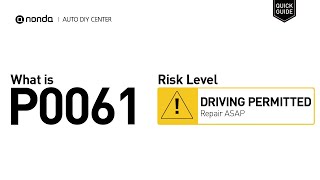
P0061 isn’t something to brush off. If that heater circuit isn’t doing its job, your oxygen sensor won’t heat up fast enough, and the computer can’t adjust fuel properly. You’ll end up burning more gas, pumping out extra emissions, and, worst-case scenario, you could clog up your catalytic converter if the engine runs rich for too long. I’ve seen cars get hard to start-or not start at all-because of this. The longer you wait, the bigger the headache (and the repair bill) can get.
Repair procedures for dtc P0061
From the garage, here’s what usually gets P0061 sorted out:
- Patch up or swap out any bad wiring or connectors in the heater circuit. Even a tiny break or corroded pin can cause big problems.
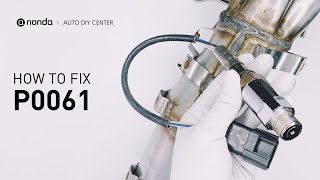
- If you find the heater element inside the sensor is toast, replace the downstream oxygen sensor on bank 2.
- Replace any fuses or fusible links that have blown-don’t just put in a new fuse without finding out why it failed.
- If the relay feeding power to the heater is faulty, swap it out.
- Check for Technical Service Bulletins (TSBs) for your make and model; sometimes there’s a known fix from the manufacturer that’ll save you a lot of guesswork.
Once you’ve made the fix, clear the code and drive the car to make sure the computer gives you the all-clear. That’s the only way to know for sure you nailed it.

Conclusion
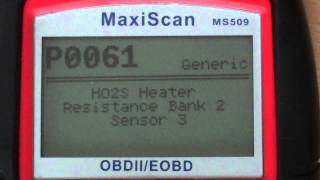
So, what are you really looking at with P0061? In short, it’s a heater circuit problem for the downstream oxygen sensor on bank 2. Left unchecked, it can hit your car’s performance, gas mileage, and emissions, and even lead to much bigger repairs if you let it slide. The smart move is to start with a careful inspection of the wiring, fuses, and the sensor itself before you start replacing parts. Don’t ignore the warning-tackle it head-on, and you’ll keep your ride running at its best.

 5078
5078 6 minutes of reading