
Causes of obd2 code P0095
From what I see most often in the shop, the P0095 code usually comes down to a handful of issues. Here’s what I typically find when diagnosing this code:
- The IAT sensor is knocked out of place or not sitting in the airflow properly.
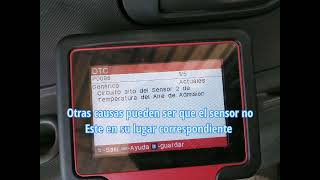
- The IAT Sensor 2 itself has failed or is giving bad readings.
- There’s a short to ground or an open circuit in the sensor’s wiring harness.
- The ground wire for the IAT sensor is broken or loose.
- Poor connection at the sensor-like loose terminals or damaged connector locks.
- In rare cases, the engine computer (PCM) itself could be at fault.
Most often the issue is with the sensor or its wiring, but I always check the simple stuff first.
Symptoms of obd code P0095
If I’m being real with you, sometimes you won’t even feel anything different when a P0095 pops up-besides that pesky check engine light glaring at you from the dash. But every so often, you might notice your engine stumbling or hesitating, especially during big swings in weather. If the sensor’s way out of whack, your fuel mixture can get thrown off, making the engine tough to start or causing it to run a bit too rich or lean. Bottom line: even if things seem normal, don’t ignore it.

Diagnosis steps for P0095 engine code
Here’s how I usually tackle a P0095 code, step by step:
- First, I visually inspect the IAT sensor and its wiring. Make sure the sensor is firmly in place and not knocked out of the intake duct. Look for any obvious signs of damage, corrosion, or loose connectors.
- Next, I use a scan tool to check the IAT readings with the key on, engine off. The IAT temperature should be close to the coolant temperature if the engine is cold. If the reading is way off (like -40°F or 300°F), that’s a big clue.
- If the reading is extreme, I unplug the sensor and check the resistance across its terminals with a multimeter. The correct resistance value depends on the sensor and the temperature, so I always check the specs in the service manual. If the resistance is way off, or if it’s infinite (open circuit), the sensor is bad and needs replacing.
- If the sensor checks out, I move on to the wiring. I check for 5 volts at the sensor connector and make sure the ground is solid. If there’s no voltage or ground, I trace the wires back for breaks or shorts.
- If everything else looks good but the code won’t clear, I start suspecting the PCM, but that’s pretty rare. It’s best to rule out everything else before going down that road.
It’s better to have someone help you watch the scan tool while you wiggle the wires, just in case there’s an intermittent connection.
Common mistakes with P0095 code
A classic mistake I see all the time is folks replacing the IAT sensor right off the bat, without ever checking the wiring or connectors. Easy way to waste your cash! Another thing-don’t skip the step where you compare the IAT reading to the coolant temp when the engine’s cold. That quick check can tell you a lot. And don’t overlook the connector; I’ve seen more than a few cases where a bent pin or a bit of green corrosion was the real culprit. Always double-check resistance specs before tossing parts. Skipping these steps can have you chasing ghosts.

Seriousness of dtc P0095
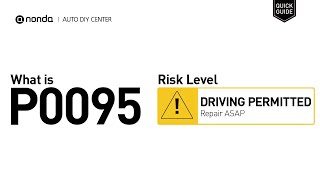
On the surface, P0095 might not seem like a big deal, especially if your car still starts up and drives. But from my time under the hood, I can tell you letting this one slide can cost you down the road. If your engine’s not getting the right air temp data, it can wind up running either too rich or too lean. That can beat up your catalytic converter, ruin your gas mileage, or-even worse-damage your engine over time. You don’t want to roll the dice on that, especially with emissions tests getting stricter every year. My advice? Don’t let it sit.
Repair solutions for P0095
Here’s what usually fixes a P0095, based on what I see in the field:
- Re-seating or replacing the IAT Sensor 2 if it’s faulty or out of position.
- Repairing or replacing damaged wiring or connectors in the IAT circuit.
- Cleaning corroded terminals and making sure the sensor is properly grounded.
- In rare cases, replacing the PCM if all other fixes don’t solve the problem.
I recommend starting with the sensor and wiring-those are the most common culprits by far.


Conclusion
If there’s one thing you take away from this, let it be this: P0095 is your car’s way of telling you it’s not getting the right air temp info from IAT Sensor 2. Ignore it, and you’re asking for bigger headaches-like poor running, bad fuel economy, or even bigger repair bills. Start by checking the sensor and wiring, use your scan tool to compare readings, and don’t forget to check resistance values. Nine times out of ten, it’s a simple fix: a loose sensor or a busted wire. Tackle it early, and you’ll keep your ride running smooth and your wallet happy.

 5523
5523 6 minutes of reading