
Causes of P0099
From what I see most often in the shop, the usual suspects for a P0099 code are:
- Loose, disconnected, or corroded wiring or connectors at the IAT2 sensor (this is by far the most common, especially after recent air filter work)
- A faulty IAT2 sensor itself
- Problems with the MAF sensor (since some systems combine IAT and MAF into one unit)
- A clogged air filter restricting airflow
- Cracked or broken intake ducting letting in unmetered air
From experience, I’d say always check for a disconnected sensor plug first-especially if you’ve just had some maintenance done under the hood.
Symptoms of obd2 code P0099
When this code is active, you might notice a few things, though sometimes it’s pretty subtle. Most drivers report:
- Slight drop in fuel economy
- Engine not running quite as smoothly, especially on cold starts
- Hesitation, stumble, or a little roughness at idle or when you lightly accelerate
- Sometimes, other related codes may show up too
It’s not always dramatic, but you’ll often feel like the engine just isn’t as peppy as usual.

Diagnosis steps for P0099 engine code
Let me walk you through how I like to tackle a P0099 code when a car rolls into the bay:
- First thing’s first-always check for Technical Service Bulletins (TSBs) for your vehicle. You’d be surprised how often the factory has already figured out a fix and published a shortcut.
- Then, I plug in the scanner, pull all the codes, and jot down the freeze frame data. Trust me, having a record helps if you need to backtrack later.
- Clear the codes and take the car for a spin. If the code kicks back right away, you know you’re dealing with a persistent problem, not a fluke.
- Next, pop the hood and give the IAT2 sensor wiring and connector a good once-over. I’m talking-wiggle the wires, check for green corrosion, and make sure nothing’s dangling loose. Don’t skip a look at the air filter or intake ducting, either. A torn hose or a clogged filter can trip you up.
- If everything checks out visually, I’ll use the scan tool to watch live data from the IAT sensor while the engine’s running. Here’s a trick: grab an infrared thermometer and compare the sensor reading to the real ambient air temp. If they’re off, odds are the sensor’s toast.
- Still stuck? I grab my trusty DVOM and measure resistance at the sensor, comparing it to the manufacturer’s chart. Out-of-spec readings mean it’s time for a new sensor.
- If the sensor seems fine, I make sure there’s proper voltage and a good ground at the connector. Miss either one and you’ve got a wiring chase on your hands.
- Only after all that-if the wiring, sensor, and voltage are all solid-do I start considering a rare PCM issue. Double-check everything before blaming the computer, though. That’s almost never the culprit.
Start with the simple stuff. Over the years, I’ve found most P0099 headaches boil down to a loose plug or dirty connector.
Common mistakes with obd code P0099
If there’s one misstep I see time and again, it’s replacing the IAT sensor without even checking the connector or wiring. Another classic: folks forget to plug the sensor back in after an air filter change-happens all the time. Skipping a visual inspection or not comparing the sensor reading to the actual air temperature? Those shortcuts will cost you time and money. Remember, always work through the basics before you start swapping parts.

Seriousness of P0099 code
Don’t brush this one off. The IAT sensor is a lynchpin for your engine’s fuel and timing decisions. If it’s acting up, you can wind up running too rich or too lean, and that’s a recipe for trouble-think sluggish performance, extra emissions, or even long-term headaches like fouled plugs and a clogged catalytic converter. I’ve seen a neglected P0099 spiral into much pricier repairs. If other codes show up or the engine runs rough, you’re flirting with bigger problems. Take care of it before small issues snowball into major repairs.
Repair tips for dtc P0099
Here’s what I usually see fix a P0099 in real-world scenarios:
- Snap that IAT2 sensor connector back in place or clean it up-especially if it was left unplugged during service.
- Splice or repair any damaged wiring or swap out corroded terminals. Sometimes a little electrical contact cleaner is all it takes.
- If the sensor doesn’t pass your resistance or voltage checks, just replace it. No sense trying to nurse a bad component along.
- Check the air filter. If it’s clogged, swap it out for a fresh one-you’ll often see an immediate improvement.
- Patch or replace any cracked intake ducting. Unmetered air can throw everything out of whack.
- On rare occasions, you might need to replace the MAF sensor or even reflash or replace the PCM, but that’s usually a last resort after everything else checks out.
My advice? Start with the connector and wiring. Nine times out of ten, that’s where the gremlin’s hiding.



Conclusion
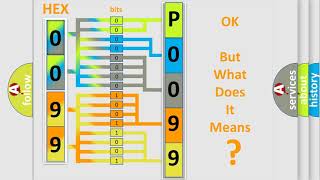
Bottom line: P0099 means your engine’s PCM isn’t getting a steady signal from the IAT2 sensor, and that sensor is absolutely essential for dialed-in fuel delivery and smooth running. Ignore this code and you’re rolling the dice on bigger problems down the road. The best way forward is a thorough check of the connector and wiring first, then moving on to the sensor itself if need be. Get on top of it early, and you’ll keep your engine happy-and your wallet happier.

 4794
 6 minutes of reading