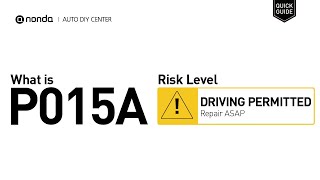
Let me break down what p015a really means from the perspective of someone who's spent more hours with a scan tool than I'd like to admit. This code shows up when the PCM (that’s your car’s computer brain) notices that the oxygen sensor on bank 1-the same side as cylinder 1-is reacting slower than it should when your engine switches from running rich (think: more fuel) to lean (less fuel). The O2 sensor is critical for making sure your engine gets the right fuel mix and timing. Sometimes, manufacturers use an air-fuel ratio sensor in this spot, which is a bit more precise but does the same job. If that sensor isn’t feeding good info back to the computer, your engine efficiency drops, and most likely, that dreaded check engine light comes on. In simple terms, it’s your car’s way of telling you it can’t self-adjust properly anymore.
DTC P015A
 5007
5007 5 minutes of reading
Causes of obd code P015A
From what I see most often in the shop, there are a handful of usual suspects behind this issue. Here’s what tends to trigger it:
- Exhaust leaks near the O2 sensor-these can throw off the readings.
- Air-fuel (or oxygen) sensor failure-sometimes they just wear out or get contaminated.
- Intake leaks-extra air sneaking in can mess with the sensor’s data.
- Dirty or clogged air filter-surprisingly common and easy to overlook.
- Wiring issues-damaged or corroded wires/connectors to the sensor.
- PCM failure-rare, but I’ve seen it happen.
In my experience, exhaust leaks and sensor failures are the most common, but it’s important to check everything on this list.
Symptoms of dtc P015A
If you’re dealing with p015a, here’s what you’ll probably notice. That check engine light is the first sign-most people spot that before anything else. Sometimes you’ll see your fuel economy take a nosedive, meaning you’re making more trips to the pump than usual. The engine might start feeling sluggish or hesitate when you hit the gas. It’s not unusual for other related O2 sensor codes to pop up, too. If you’re catching any of these warning signs, don’t wait around-get it checked out before it leads to bigger headaches.

Diagnosis with obd2 code P015A
When I’m tracking down a p015a code, here’s the approach that’s saved me a ton of time and grief:
- Start by scanning for other codes. Sometimes p015a is just the tip of the iceberg.
- Give the whole area a good visual inspection. I look for frayed or broken wiring, loose plugs, or corrosion by the O2 sensor. Exhaust leaks are a big one here-look for black soot marks or listen for a ticking noise when the engine’s running.
- Pull the air filter and check it. If it’s filthy or clogged, swap it out. It’s a cheap fix and gets missed more often than you’d think.
- Hunt down any intake leaks-listen for air hissing or scan for cracked hoses and loose clamps between the filter and the throttle body.
- If those basics check out, I’ll use a scan tool to watch the O2 sensor’s live data. You want to see it switching between rich and lean quickly-if it’s lazy or stuck, odds are the sensor’s shot.
- If the sensor’s data looks off, I’ll break out the multimeter to check the wiring for continuity or shorts.
- Only after all that do I suspect the PCM itself, but honestly, that’s almost never the cause.
Here’s a pro-tip from the garage: tackle the easy, obvious stuff-air filter, leaks, and wiring-before you start throwing expensive sensors at the problem.
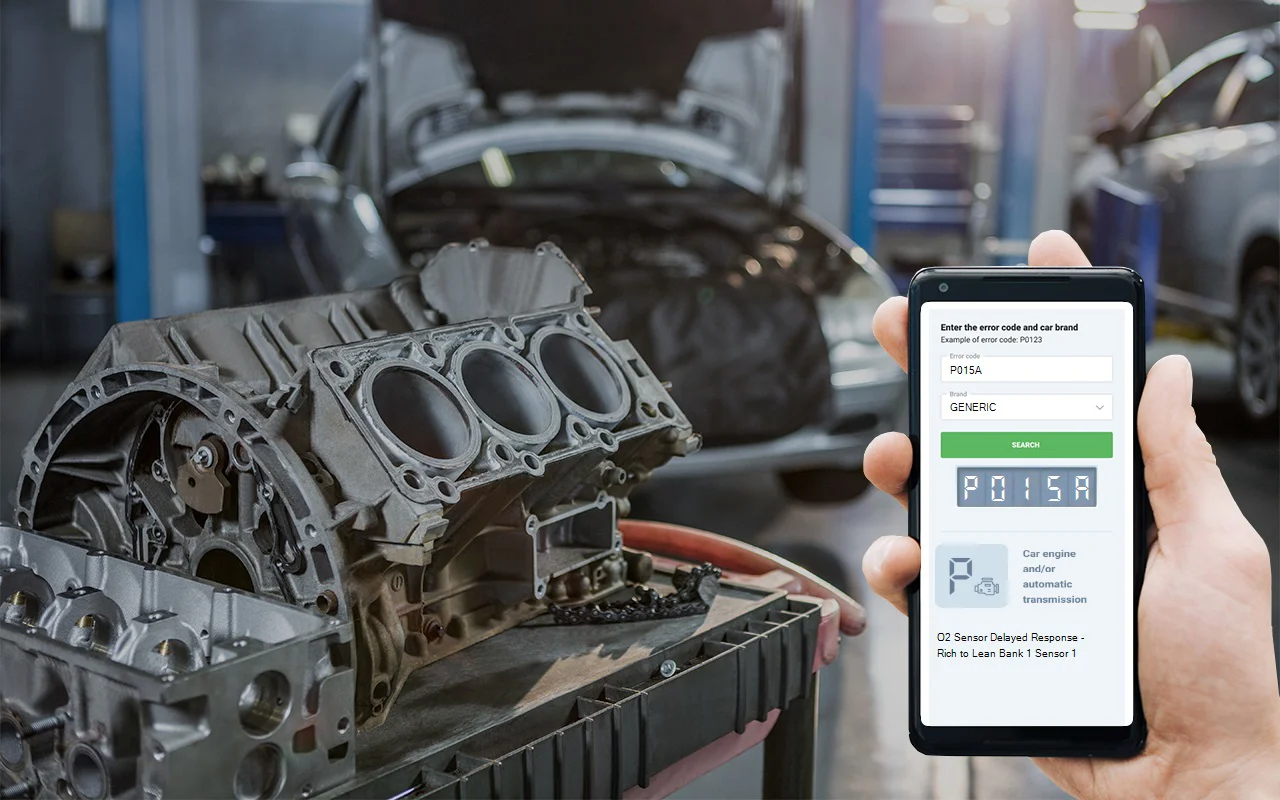
Common Mistakes with P015A engine code
A classic mistake I see-pros and DIYers alike-jumping right to replacing the O2 sensor without checking for leaks or a clogged air filter first. That’s a quick way to waste both time and cash. Another one? Overlooking the wiring. I’ve lost count of how many times a loose or corroded connector was the real troublemaker. Bottom line: don’t skip the basics, or you’ll end up chasing your tail and buying parts you don’t need.

How Serious is the P015A trouble code
Don’t brush this one off. While p015a might not leave you stuck on the side of the highway right away, letting it slide can hammer your fuel economy, rough up your engine, and worst of all, wreck your catalytic converter-a part you definitely don’t want to replace unless you have to. If your car starts running rough or loses power when you need it, that’s a safety issue, too. My advice? Take care of it as soon as you see it pop up.
How to Repair a P015A code
Here’s what’s fixed the majority of p015a cases in my shop:
- Seal up or replace any leaking exhaust parts near the sensor.
- Swap out a dirty air filter if it needs it.
- Patch up intake leaks-replace any cracked hoses or tighten those loose clamps.
- Fix or replace any damaged wiring or connectors going to the sensor.
- If the sensor’s proven to be slow or dead, go ahead and replace it-but stick with OEM-quality parts for best results.
- Only on rare occasions does the PCM need attention, like reprogramming or replacing. That’s always my last resort.
My rule of thumb: always start with the cheapest, simplest fixes before shelling out for a new sensor or something bigger.
Conclusion
Here’s the takeaway: when you see p015a, your O2 sensor isn’t keeping up the way it should, and it’s going to hurt your car’s performance and gas mileage. Most of the time, it’s something like a leak, a gunked-up filter, or a worn sensor causing the trouble. Don’t ignore it-catching the problem early keeps you from frying your catalytic converter or dealing with even pricier repairs. My best advice? Run through the basics first, fix what’s obvious, and only replace the sensor once you’re sure everything else checks out. That’s how you keep your ride running at its best, without wasting money or time.