
Common dtc P0162 Causes
In my experience, p0162 almost always traces back to one of these:
- A worn-out or contaminated O2 sensor. These guys work hard and eventually just give up.
- Wiring problems-I've lost count of how many times I've found crusty, melted, or broken wires sitting too close to a hot exhaust. Watch for harnesses that have gotten cooked or chafed through.
- Loose or corroded connectors. Water sneaks in and before you know it, you've got green corrosion eating up your contacts.
- Exhaust leaks near the sensor. Even a tiny leak can throw off the readings.
- And every so often it's a PCM problem or a short to voltage in the sensor's signal wire, but that's not the norm.
If you ask me, 9 times out of 10 it's the sensor itself or the wiring, but don't take anything for granted until you've checked everything over.
Recognizing P0162 code Symptoms
Here's the tricky part-not every car with a p0162 code acts up in ways you'll notice. Sometimes, you won't feel a thing. But keep an eye out for these:
- The check engine light is almost guaranteed to light up.
- You might spot your fuel mileage slipping a bit. Not always, but it's a clue.
- Some cars might stumble, hesitate, or run rough, though that's less common with this particular sensor going bad.
- Emissions will climb, so if you're due for a smog test, you might be in trouble.
Most folks just see the dreaded light on the dash and keep driving, but that doesn't mean the problem's harmless.

How to Diagnose P0162
Here's my step-by-step when a car rolls in with a P0162:
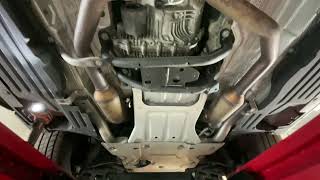
- Start with your eyes. Get under the hood and under the car-look at the wiring and connector for the suspect sensor. Melted, unplugged, or frayed wires? That's where you begin. Don't miss any exhaust leaks nearby either.
- Next up, grab a scan tool and pull up the live data for that sensor. With the engine warmed up and idling, the voltage should bounce up and down. If it's flat or stuck low, that's a big clue.
- Have someone rev the engine for a minute while you watch the data. Sometimes a lazy sensor will wake up with more flow, but if it stays asleep, you've got your answer.
- If the sensor's not switching, unplug it and check the reference voltage at the connector. You should see about 0.5 volts. If that's there, chances are the PCM and wiring are good and your sensor's toast.
- If the voltage is wrong, now it's time to chase down wiring faults-look for shorts, broken grounds, and harnesses touching hot spots. Make sure everything's clipped and routed properly.
- Still stuck? Use a voltmeter to see if the PCM's sending the correct reference. If not, maybe a rare PCM or circuit issue's at play.
My advice: don't try to run the engine and check the scan tool solo if you're working under the hood-get a helper to keep things safe, especially if you're crawling under the car.
Avoiding obd2 code P0162 Mistakes
Here's a classic blunder: folks throw a brand-new oxygen sensor at the car without ever looking at the wiring or checking for exhaust leaks. That's a quick way to waste good money. Another one I see is skipping the live data check-if you don't actually watch the sensor's output, you'll miss those problems that only show up when the car's hot or under load. And don't forget to pop those connectors apart and check for corrosion or water. Little things like that can cause big headaches and keep you chasing your tail.

How Serious is a P0162 engine code
Don't brush off a P0162. Sure, it probably won't leave you stranded, but letting it slide can mean lousy fuel mileage, higher emissions, and-worse yet-damage to your catalytic converter if you let it run too rich or too lean for too long. The PCM can't do its job without good data, and if it starts guessing, you're in for bigger troubles down the road. Fail an emissions test? That's just the start. Bad sensors or wiring can cause other codes to appear, muddying the waters and making repairs more complicated (and expensive) later.
Repair Tips for obd code P0162
When it comes to fixing a P0162, here's what usually gets the job done in my bay:
- Swap out the bad oxygen sensor (bank 2, sensor 3) for a proper OEM part. Don't go cheap-aftermarket sensors can cause headaches.
- Patch up or replace any fried or broken wires and connectors. Make sure everything's tucked safely away from the exhaust and clipped down tight.
- Seal up any exhaust leaks near the sensor. Even a pinhole can trip the code.
- If you do find a short to voltage or a PCM issue-rare, but it happens-address the wiring or swap the PCM as needed.
Once you've made the fix, clear the code and head out for a test drive. If the code stays gone, you're in the clear. If it comes back, time to dig deeper.



Conclusion
So, here's the bottom line: a P0162 means your bank 2 downstream O2 sensor isn't doing its job, and that's going to throw off your emissions and fuel trim. Don't ignore it-I've seen folks cost themselves a lot more money by waiting. Always start with a good inspection of the sensor, wiring, and exhaust. Nine times out of ten, a sensor swap or a wiring fix is all it takes. If you spot this code, make fixing it a priority before it snowballs into something much bigger.

 4765
 6 minutes of reading