
Causes of the P0167 code
From experience, the most common reasons I see for a p0167 code are issues with the O2 sensor's heater circuit. Here’s what typically causes it:
- A faulty O2 sensor heater element (the sensor itself is bad)
- Problems with the wiring harness-like damaged wires, broken connectors, or wires touching hot exhaust parts
- A blown fuse that supplies power to the heater circuit
- Poor ground connection for the heater circuit
- Corroded or loose electrical connections
Most often, it’s a bad sensor or a wiring issue, but I always check everything to be sure.
Symptoms of the P0167 trouble code
Honestly, you might not notice much when this code pops up. Usually, the only thing you’ll see is the check engine light coming on. Sometimes, you might feel a rough idle or the engine running a bit off, especially when it’s cold. But for this specific sensor, a lot of drivers don’t notice any change in how the car drives.

Diagnosis steps for the P0167 engine code
Here’s how I usually tackle a p0167 engine code, step by step:
- First, I check the basics-make sure the check engine light is on and confirm the code with a scan tool.
- Next, I visually inspect the O2 sensor and its wiring. I look for melted wires, loose connectors, or any signs that the harness has rubbed against the exhaust or other hot parts. Don’t forget to check for corrosion or dirt in the connector.
- With the key on (engine off), I use a voltmeter to check for battery voltage at the sensor’s heater power wire. You should see 12 volts there. If you don’t, check the fuse that supplies the heater circuit-it might be blown.
- If the fuse is blown, I recommend checking for a short to ground in the wiring before just replacing the fuse. Sometimes, a shorted sensor can blow the fuse, so don’t skip this step.
- If you have voltage, check the ground side of the heater circuit. A bad ground can cause all sorts of trouble. Make sure the ground connection is clean and tight.
- If all the wiring checks out, but the code keeps coming back, it’s likely the sensor itself is faulty and needs to be replaced.
It’s best to take your time and check each step carefully. If you’re not comfortable with electrical checks, it’s safer to have a professional help out.
Common mistakes when fixing dtc P0167
I’ve seen folks jump straight to replacing the O2 sensor without checking the wiring or fuses first. That’s a surefire way to waste money if the problem is just a blown fuse or a broken wire. Another common mistake is not checking the ground connection-just because you have power doesn’t mean the circuit is complete. Skipping the visual inspection can also lead to missing obvious damage, like burnt wires touching the exhaust.

How serious is the obd code P0167
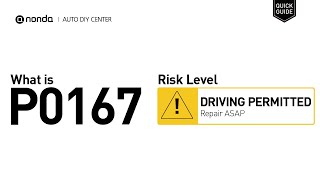
While this code might not cause immediate drivability problems, it’s not something to ignore. If the O2 sensor heater isn’t working, your car’s emissions will go up, and the engine computer might not adjust the fuel mixture correctly, especially on cold starts. Over time, running too rich or too lean can damage your catalytic converter-a very expensive part. You don’t want this kind of trouble down the road, so don’t put it off for later.
Repair options for obd2 code P0167
Here’s what usually fixes a obd2 code p0167, based on what I see in the shop:
- Repair or replace any damaged wiring or connectors in the heater circuit
- Replace a blown fuse (but only after finding and fixing the cause)
- Clean and tighten any corroded or loose ground connections
- Replace the O2 sensor if the heater element is faulty
After repairs, always clear the code and take the car for a test drive to make sure it doesn’t come back.



Conclusion
To sum it up, P0167 means there’s a problem with the heater circuit for one of your oxygen sensors. It’s usually caused by a bad sensor or a wiring issue, and while it might not make your car run terribly, ignoring it can lead to bigger, more expensive problems. I recommend starting with a careful inspection of the wiring and fuses, then moving on to the sensor itself if needed. Acting quickly is the best way to keep your car running clean and avoid costly repairs down the line.
 3683
 5 minutes of reading