
Main Causes of P020A
After years in the bay, here’s what I’ve found to be the usual suspects behind p020a:
- A bad fuel injector solenoid for cylinder one-the piece that physically opens and closes the injector. It gets a real workout.
- Wiring or connector issues-broken insulation, shorts, or corrosion in the injector circuit. On diesels, with all the shaking, these can crop up fast.
- The injector itself giving up-sometimes it’s an electrical failure, other times the guts just seize up.
- Trouble with the engine’s timing bits-if your cam or crank timing is off, the PCM doesn’t know when to trigger the injector.
- A crankshaft or camshaft sensor acting up, or a wiring glitch in their circuits. If these sensors feed bad info, everything else goes sideways.
Most days, I end up tracking the problem to either bad wiring or a toasted injector solenoid, but it pays to work through the whole list before you start swapping parts.
Recognizing Symptoms of the P020A Trouble Code
If p020a is active, here’s what you’re likely to notice. The engine might hiccup, stumble, or hesitate-especially when you’re putting your foot down. You’ll probably feel the power drop off, like the motor’s just not pulling like it should. Sometimes you’ll catch a whiff of raw diesel, which usually points to incomplete combustion or maybe a leak. Don’t be surprised if your fuel economy tanks, either-suddenly, you’re at the pump a lot more. Now and then, that check engine light won’t show up right away. It might take a couple of drives before it comes on. But if you see any of these signs, don’t wait around hoping it goes away.

Diagnosis Steps for the P020A Code
Here’s how I go about chasing down a p020a:
- Start with your eyes-do a thorough visual inspection. Look for leaks, frayed wires, or loose connectors near the injectors and all along the high-pressure fuel system. With diesel engines bouncing around all the time, harnesses can rub raw or pull out of place.
- Next, check for Technical Service Bulletins (TSBs) tied to your car and this code. Sometimes there’s a factory fix that’ll save you hours of head-scratching.
- Plug in a scan tool, grab any stored codes, and study the freeze frame data. That snapshot helps you see what was happening when the PCM called foul.
- Clear the codes and take it for a spin. If the code comes back-and if you see any crankshaft or camshaft sensor codes-tackle those first, since bad timing signals can throw injector events out of sync.
- If p020a returns, break out a digital volt/ohm meter (DVOM) and check the injector solenoid for cylinder one. Match the readings to the specs in your service manual. Off by much? The solenoid or injector is likely toast.
- If that checks out, move down the line and test the wiring and connectors for shorts, opens, or high resistance. A wiring diagram is gold here. Anything that doesn’t test right needs fixing or replacing-don’t just wiggle it and hope.
- When all the electrical stuff passes, you might be dealing with a timing issue or a flaky sensor. At that stage, especially on modern diesels, it’s safer to bring in a seasoned tech-high-pressure fuel can be nasty business if you’re not careful.
Here’s a tip: have a second set of hands when you’re poking around high-pressure lines. Safety first-always.
Common Mistakes When Addressing OBD2 Code P020A
Let me tell you, I’ve watched folks trip over these classic mistakes:
- Swapping injectors right out of the gate without checking wiring or connectors. I see this all the time, but wiring issues are every bit as common-maybe more so.
- Overlooking crank or cam sensor codes-they can be the whole reason the PCM’s confused. Always take care of those first.
- Skipping over TSBs. Factory service info can save you from reinventing the wheel-use it!
- Missing fuel leaks or signs of physical damage in the high-pressure system. That’s not just an engine problem; it’s a safety risk you can’t ignore.
Don’t rush. Work through the basics before you go shelling out for pricey parts.

How Serious Is the DTC P020A
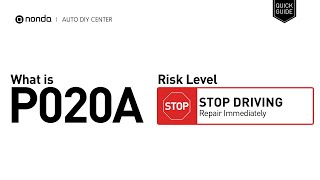
Take it from me-this code isn’t something you just brush off. Issues with the high-pressure injection system can snowball fast. You’re looking at misfires, power loss, or even internal engine damage if you let it ride. There’s also the very real danger of fuel leaks, which can turn into a fire in a hurry. If the timing’s off too long, you might cook not just the injector, but the high-pressure pump or even major engine bits. Bottom line: let this slide and things can get ugly real quick.
Recommended Repairs for OBD Code P020A
Here’s what usually gets a stubborn p020a sorted out, straight from my repair logs and the shop manuals:
- Fixing or swapping out busted wiring or sketchy connectors in the injector circuit. Don’t underestimate how often this is the fix.
- Replacing a dead injector solenoid or the injector for cylinder one if it’s not within spec.
- Taking care of crank or cam sensor issues-if those codes are in play, handle them immediately.
- Addressing timing component failures-a stretched chain or chewed-up gears can mess up everything downstream.
- Once repairs are done, clear the codes and hit the road for a test drive to make sure the fix holds.
Always use the right parts and stick to the manufacturer’s repair steps-especially with high-pressure diesel stuff. If you’re not 100% confident, don’t gamble. Let a pro handle it.

Conclusion
So here’s the bottom line: P020A means your diesel’s PCM isn’t happy with the injection timing for cylinder one. This isn’t just a nuisance light-it’s a warning that you could be headed for bigger headaches if you don’t act. The best fix always starts with a careful look at the basics-wiring, connectors, injector solenoid-and making sure your sensors and timing parts are up to snuff. Don’t drag your feet on this one. Getting it sorted quickly is the sure-fire way to keep your engine running strong and avoid wallet-busting repairs down the road.
 4340
4340 6 minutes of reading