
Causes of P020E engine code
From experience, the most common reasons I see for a p020e code are:
- A faulty fuel injector solenoid for cylinder five-these can fail electrically or mechanically.
- Broken, shorted, or corroded wiring or connectors in the injector control circuit. Even a small wiring issue can throw off the timing.
- A bad fuel injector itself, not just the solenoid.
- Problems with the engine’s timing components-like a worn camshaft or crankshaft sensor, or issues with the timing chain or gears.
- Faulty crankshaft or camshaft position sensors, or issues in their wiring.
Most often, it’s an electrical issue or a failing injector, but I’ve seen timing component problems cause this too. It’s important to check everything thoroughly.
Symptoms of obd2 code P020E
If your vehicle has a p020e code, here’s what you’ll likely notice:
- The engine may misfire, stumble, or run rough, especially under load.
- You might feel a general lack of power or sluggish acceleration.
- There could be a strong diesel fuel smell, especially if there’s a leak.
- Poor fuel economy is common, since the engine isn’t running efficiently.
Sometimes, the check engine light will come on right away, but in some cases, it takes a few drive cycles for the warning to appear. If you notice any of these symptoms, don’t ignore them.

Diagnosis steps for P020E
Let me walk you through how I tackle a p020e code-this is the same approach I use on customer cars and my own:
- I always start simple: a thorough visual inspection. I’m looking for any signs of diesel leaks around the high-pressure components, then I get hands-on with the wiring and connectors for cylinder five. You’d be surprised how often a frayed wire or a loose plug is the root of it all.
- Next, I check for Technical Service Bulletins (TSBs) related to your make and model. Manufacturers sometimes know about these issues and have a fix or update ready to go.
- Then, out comes the scan tool. I pull all the codes and freeze frame data to see if anything else is going wrong at the same time-like cam or crank sensor codes. If those are present, always chase those down first; they often cause or contribute to injector timing problems.
- Once I’ve cleared the codes, I’ll take the truck out for a test drive to see if P020E returns. If it does, it’s time for some electrical testing.
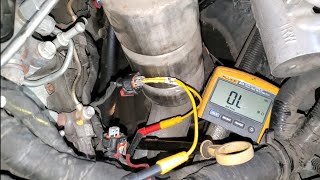
- With a digital volt/ohm meter (DVOM), I check the resistance of cylinder five’s injector solenoid. You’ll want to compare your readings to the factory specs-if you’re outside the range, that’s your smoking gun.
- If the solenoid looks good, I disconnect the PCM and check the harness for shorts, opens, or high resistance. Don’t skip this-wiring issues are sneaky and easy to overlook.
- If the electrical side checks out, then it’s time to dig into the timing components and related sensors. A worn timing chain or a failing cam sensor can throw everything out of sync.
Here’s a pro-tip: have someone help while you check for leaks and listen for misfires. And don’t forget-diesel fuel under extreme pressure can be dangerous, so always put safety first.
Common mistakes with P020E trouble code
A classic mistake I see in the field is folks jumping right to swapping out the injector without inspecting the wiring or connectors first. Another is ignoring codes for cam or crank sensors-these absolutely can mess with injector timing. Skipping the visual once-over or forgetting to check for TSBs can send you down a rabbit hole. And let me tell you, double-check your cylinder numbering. It’s not the same on every engine, and misidentifying the wrong cylinder can make your day a whole lot harder. Rushing leads to wasted time and extra expense-trust me, I’ve seen it more times than I can count.

Seriousness of dtc P020E
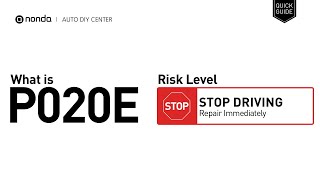
Don’t take this one lightly. In my time under the hood, I’ve seen what happens when folks ignore a p020e code. High-pressure diesel fuel systems carry real risks. Let this problem go and you’re inviting severe engine damage, crummy performance, and, worst of all, possible fuel leaks. Things can escalate quick-if the injector or wiring fails badly enough, raw fuel can get dumped into the exhaust, trashing the catalytic converter or DPF. In some cases, I’ve even seen the risk of fire. Parts at risk aren’t just the injector, but the high-pressure pump, sensors, and even the guts of the engine if the timing problem is severe. Not worth the gamble.
Repair solutions for P020E code
Here’s what’s worked for me and countless other techs in the shop when fixing a p020e code:
- Repair or replace any damaged wiring or connectors in the injector circuit for cylinder five. This is the fix more often than you’d think.
- If the injector or solenoid is out of spec, swap it out for a new one.
- Replace faulty camshaft or crankshaft position sensors if they’re at fault for timing issues.
- Tackle any problems with timing components-chains, gears, or tensioners that are worn or out of alignment.
- Once repairs are done, clear the codes and do a solid test drive to make sure the fix sticks.
Always lean on the factory diagnostic procedures when in doubt. Double-check everything before calling it done-you’ll save yourself headaches and call-backs.

Conclusion
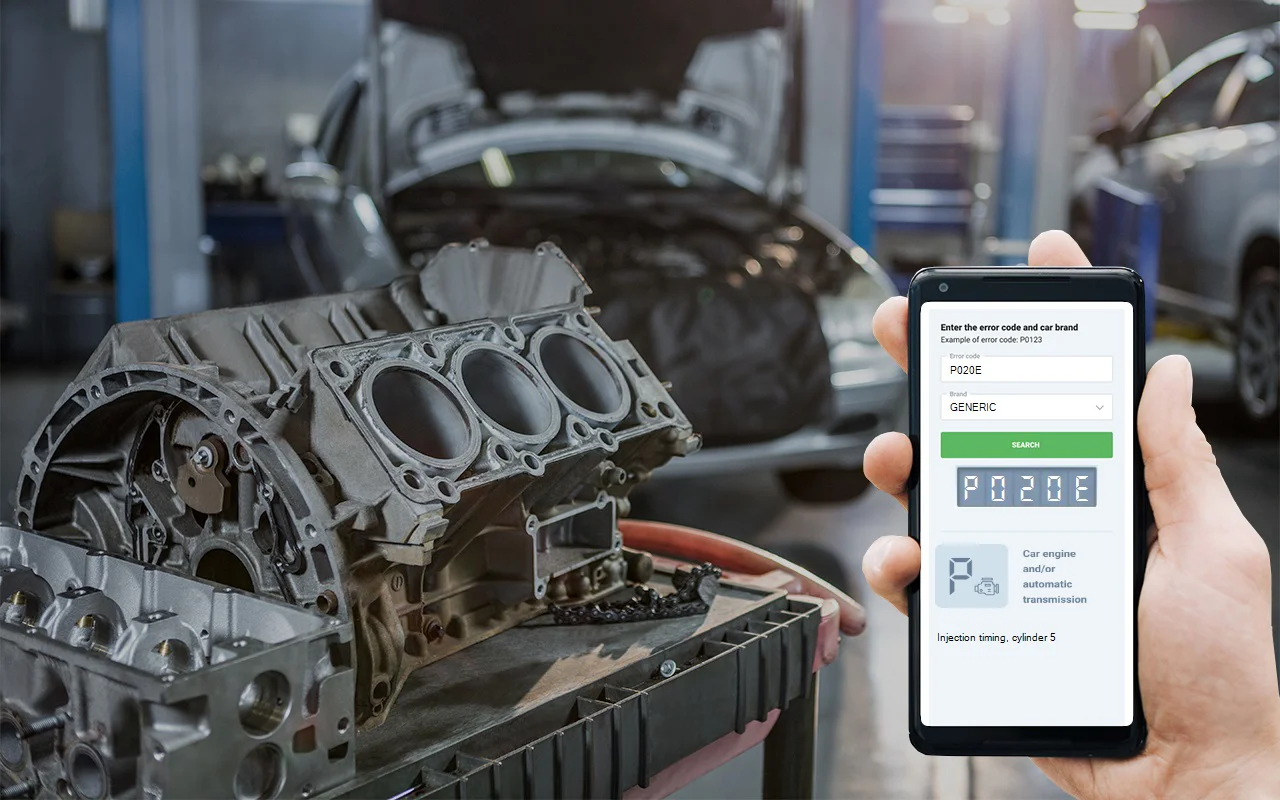
So, here’s the bottom line: P020E is your engine’s way of telling you something’s off with the injector timing for cylinder five, usually on a diesel. Don’t sit on it-waiting around can mean serious engine grief. Your best bet is to start with a sharp inspection, check for other codes and manufacturer bulletins, and then walk through injector and wiring tests before diving into deeper repairs. Act fast and you’ll save yourself bigger problems (and repair bills) down the road.
 7064
7064 6 minutes of reading