
Causes of obd code P0233
From what I’ve seen in the shop and based on official repair info, P0233 is usually triggered by a handful of specific issues. Most often, it’s a problem with the fuel pump itself or the relay that supplies power to it. Wiring issues - like a loose connection, damaged wire, or corrosion - are also common culprits. And, though it’s less frequent, sometimes the PCM (the car’s computer) can be at fault. Here’s the rundown of what I check first:
- Malfunctioning fuel pump
- Faulty fuel pump relay
- Damaged or corroded wiring/connectors in the fuel pump circuit
- PCM (engine computer) malfunction
In cases like this, it’s usually one of those top three, but I always keep an eye out for the rare PCM issue.
Symptoms of P0233 trouble code
If your car’s throwing a P0233 code, you’ll probably notice a few things right away. The check engine light will be on, for starters. You might find the engine is hard to start, or sometimes it won’t start at all. When it does run, you could feel it struggling - poor acceleration, rough idling, or even stalling. From experience, I can say these symptoms can sneak up on you, but they’re hard to ignore once they start. If you’re noticing any of these, it’s a sign the fuel system isn’t getting the steady power it needs.

Diagnosis with obd2 code P0233
Here’s how I usually tackle a P0233 code, step by step. First, I recommend starting with the basics: pop the hood and check the fuel pump relay. Make sure it’s seated properly and doesn’t look burnt or damaged. Next, inspect the wiring and connectors around the fuel pump and relay - look for frayed wires, corrosion, or loose connections. It’s better to have someone assist you here, especially if you need to wiggle wires and watch for changes. Then, I use a multimeter to check for proper voltage at the fuel pump when the ignition is on. If the voltage is intermittent or missing, that’s a clue. Don’t forget to check the fuse for the fuel pump circuit too. If all those look good, I’ll move on to testing the fuel pump itself - sometimes it’s just worn out. Finally, if everything else checks out, I’ll consider the PCM, but that’s pretty rare and usually the last thing I suspect. Make sure to inspect each step before moving on, and always consult your vehicle’s specific wiring diagram if you’re unsure.
Common Mistakes with dtc P0233
Honestly, one of the biggest mistakes I see is folks jumping straight to replacing the fuel pump without checking the relay or wiring first. Another common slip-up is overlooking corrosion or loose connectors - these can cause intermittent problems that are easy to miss. Skipping the fuse check is another one; it’s simple but important. I personally recommend taking your time with the basics before spending money on big parts. Rushing the diagnosis or guessing can lead to unnecessary repairs and wasted time.

Seriousness of P0233 code
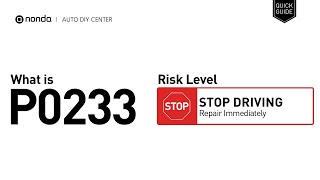
This is a serious hazard, no question about it. If the fuel pump isn’t getting reliable power, your engine can stall unexpectedly, which is dangerous - especially at speed or in traffic. You don’t want this kind of trouble on the road. Ignoring it can also lead to damage in other parts of the fuel system, like the injectors or even the PCM itself if there’s a short. Things can go south quickly if overlooked, so don’t put this off for later.
Repair steps for P0233
When it comes to fixing P0233, here’s what I usually do: If the relay is faulty, replace it. If the wiring or connectors are damaged or corroded, repair or replace them as needed. If the fuel pump itself is the problem, swap it out for a new one. And if, after all that, the PCM turns out to be the culprit, it may need reprogramming or replacement - but that’s rare. Always follow the vehicle-specific service manual for exact procedures, and double-check everything before buttoning it up.


Conclusion
To sum it up, P0233 means your car’s fuel pump circuit isn’t delivering steady power, and that’s a big deal for safe, reliable driving. Diagnosing it should start with simple checks - relay, wiring, and fuse - before moving on to the pump itself or the PCM. The risks just aren’t worth ignoring, and the most reliable fix is to methodically work through each step until you find the root cause. Take care of it promptly, and you’ll keep your vehicle running smoothly and safely.
 5726
 5 minutes of reading