
Causes of obd code P0286
From experience, the most common reasons I see for a p0286 code are:
- Wiring issues between the engine computer (PCM) and the injector, like damaged or corroded wires
- A loose or faulty electrical connector at the injector
- An injector that’s internally shorted or stuck, causing it to draw too much current
- A clogged or dirty injector that can’t operate correctly
In some cases, certain vehicles have known issues with batches of injectors or connectors, so it’s always worth checking for any technical service bulletins for your specific car.
Symptoms of P0286 trouble code
If you’re dealing with this code, here’s what you’ll probably notice first: that dreaded check engine light coming alive on your dash. Most folks I talk to mention the engine feels rough at idle, sometimes like it’s got the shakes, or there’s just not as much get-up-and-go when you hit the gas. Fuel economy usually takes a hit too, so if you’re filling up more often, that’s another sign. Let it go too long, and you might even feel the engine misfire or hesitate when you try to accelerate. These issues can sneak up slowly, but they’re your car’s way of telling you something’s not right with how it’s getting its fuel.

Diagnosis using the P0286 engine code
Let me walk you through how I’d track down this kind of problem-it’s the same process I’ve used on countless vehicles:
- I always start at the injector’s electrical connector for cylinder nine. Take a good look for bent pins, green corrosion, or anything that looks out of place. I can’t tell you how many times unplugging and re-plugging the connector (making sure it’s locked in and the clip’s secure) has solved the issue.
- Here’s a little trick I use: a dab of dielectric grease on the connector helps keep corrosion at bay and ensures a solid connection.
- With the engine running, grab a long screwdriver and use it as a stethoscope-put the handle to your ear and the tip on the injector. You should hear a steady, rhythmic clicking if it’s working right. No sound? That’s a big clue.
- If the connector looks good but the injector’s silent, unplug it and check resistance across the terminals with an ohmmeter. A healthy injector will usually read between 0.5 and 2.0 ohms. If you see something way out of that range, you’ve found your culprit.
- Now, if resistance checks out and you hear clicking but the code keeps coming back, it’s time to try cleaning the injector. There are direct-injection cleaning kits you can hook up to the fuel rail. Be sure to disable the fuel pump, run the engine until it dies, then connect the cleaner and let the engine run again until it stalls. Once that’s done, put everything back together and clear the codes with your scan tool.
- If cleaning doesn’t do the trick or the injector fails the resistance test, don’t waste time-replace the injector.
One last thing-always check for technical service bulletins. Some makes have injector issues that the factory already knows about, and you might save yourself a lot of frustration if there’s an updated fix or part.
Common Mistakes when fixing obd2 code P0286
A classic mistake I see all the time is folks jumping straight to swapping out the injector before checking the basics. Sometimes it’s nothing more than a loose or corroded connector causing all the drama. Another misstep? Skipping the resistance test and just guessing at what’s wrong. I’ve also watched people overlook technical service bulletins-there could be a known fix waiting for you if you take a minute to check. Don’t get ahead of yourself; run through the simple checks first before you start spending money on parts.

Seriousness of P0286
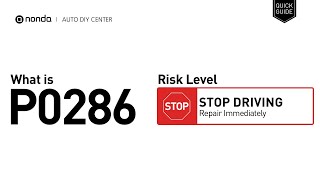
Let me be blunt-this isn’t a code you can just shrug off. A bad injector will cause misfires, and that puts extra strain on your spark plugs, oxygen sensors, and can even wreck your catalytic converter if you keep driving. I’ve seen people ignore this only to come back with a much bigger (and pricier) problem. And honestly, driving with a misfiring cylinder is risky. You could lose power when you need it most, which can be downright dangerous. My advice? Get this sorted sooner rather than later. Problems can pile up fast if you let them slide.
Repair steps for the P0286 code
When I’m fixing a P0286, these are the steps that get results every time:
- Repair or swap out any damaged wiring or connectors on the injector
- Clean the injector with a direct-injection cleaning kit-don’t cut corners here
- If cleaning doesn’t do the job, put in a new OEM injector
- Clear the code and take the car for a good test drive to make sure the fix sticks
Make sure you reassemble everything properly and double-check your work before calling it done. Trust me, missing a clip or leaving something loose can bring you right back to square one.



Conclusion
Bottom line-P0286 tells you there’s an electrical issue with cylinder nine’s injector, almost always from drawing too much current. It’s a critical problem that can lead to real engine damage or even safety issues if you ignore it. The smartest approach is to tackle the basics first: check your connectors, wiring, listen for that injector’s click, run a resistance test, and try cleaning the injector. If all else fails, swap it out for a new one. Don’t wait-acting quickly keeps your engine running its best and saves you from bigger headaches down the road.
 4200
4200 6 minutes of reading