
Main Causes of obd code P02EA
From experience, the most common reasons I see for a P02EA code are usually electrical in nature. Here’s what tends to go wrong most often:
- A break or open circuit in the wiring to the intake air flow position sensor (DIAFPS)
- A short to voltage or ground in the sensor’s signal circuit
- The sensor itself failing-this is actually the most likely culprit in most cases
- Very rarely, a problem with the PCM (engine computer) itself
In cases like this, I always recommend starting by checking the wiring and connections before jumping to conclusions about the sensor or PCM.
Typical Symptoms of P02EA engine code
When this code pops up, here’s what you might notice as a driver:
- The check engine light will definitely be on
- You might notice the engine only idles at low speed and won’t rev up properly
- The EGR system (which helps control emissions) might not work at all
- Regeneration of the diesel particulate filter (DPF) won’t happen, so soot can build up in the exhaust
Sometimes, you might not feel much difference in how the truck drives, but the emissions systems won’t be working right in the background.

Diagnosis Steps for P02EA trouble code
Here’s how I usually approach diagnosing a P02EA code, step by step:
- First, I always check for any Technical Service Bulletins (TSBs) related to this code for your specific vehicle. Sometimes, the manufacturer already knows about a common issue and has a fix.
- Next, I locate the intake air flow position sensor (DIAFPS). It’s usually bolted to the throttle body or somewhere in the intake air stream.
- I do a careful visual inspection of the sensor, its connector, and the wiring. I’m looking for things like rubbed-through wires, broken insulation, melted plastic, or any signs of corrosion at the connector.
- If I see any greenish color or burnt pins in the connector, I clean them with electrical contact cleaner and a small brush, let it dry, and then apply a little dielectric grease before reconnecting.
- After cleaning, I clear the code with a scan tool and see if it comes back. If it doesn’t, the problem was likely just a bad connection.
- If the code returns, I use a voltmeter to check the sensor’s wiring. With the key on (engine off), I check for 5 volts at the sensor’s signal wire according to the manufacturer’s specs. If the voltage isn’t right, there’s likely a wiring issue or, in rare cases, a PCM problem.
- If the wiring checks out but the code keeps coming back, I replace the sensor itself. If that still doesn’t fix it, only then do I consider the PCM as a last resort.
It’s best to have someone assist you with the voltmeter checks, and don’t forget to double-check the wiring before replacing any expensive parts.
Common Mistakes When Fixing P02EA
I’ve seen a few common mistakes when folks try to tackle this code:
- Jumping straight to replacing the sensor without checking the wiring and connectors first
- Overlooking signs of corrosion or loose pins in the connector
- Not checking for related TSBs, which can save a lot of time and money
- Assuming the PCM is bad before thoroughly testing the sensor and wiring
Don’t skip the basics-most often, the problem is something simple like a bad connection or damaged wire.

How Serious Is a P02EA code Issue
While this code isn’t usually an immediate safety hazard, it’s not something you want to ignore. If left unchecked, the emissions systems won’t work right-meaning the EGR and DPF regeneration won’t function. Over time, this can lead to soot buildup in the exhaust, clogged filters, and even engine performance problems. Things can go south quickly if the DPF gets blocked, leading to expensive repairs. So, even though you might still be able to drive, I strongly recommend getting it sorted out sooner rather than later.
How to Repair obd2 code P02EA Problems
Here’s what I typically do to fix a P02EA code, based on what’s actually wrong:
- Repair or replace any damaged wiring or connectors at the intake air flow position sensor
- Clean any corrosion from the sensor connector and apply dielectric grease
- Replace the intake air flow position sensor (DIAFPS or MAF sensor) if it’s faulty
- In rare cases, reprogram or replace the PCM if all else fails and it’s confirmed to be the issue
Always make sure to clear the code and test drive the vehicle to confirm the repair worked.




Conclusion
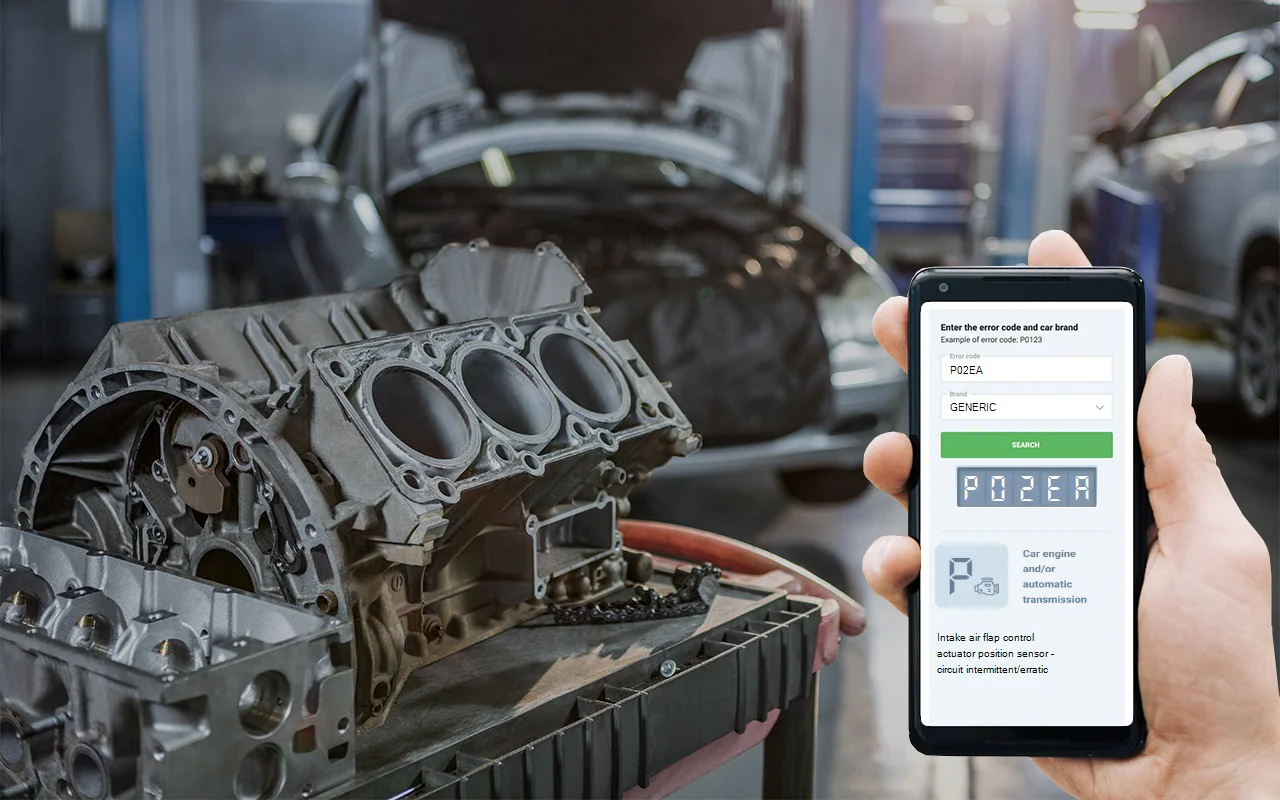
To sum it up, the P02EA code points to a problem with the diesel engine’s intake air flow position sensor circuit, which can mess with your emissions systems and eventually cause bigger headaches if ignored. It’s usually an electrical or sensor issue, and most of the time, it’s something simple like a bad connection or a faulty sensor. I recommend starting with a careful inspection of the wiring and connector, then moving on to sensor testing or replacement if needed. Don’t put this off-getting it fixed now will save you from much bigger (and more expensive) problems down the road.
 5019
 5 minutes of reading