
Causes of P0334 code
From what I see most often in the shop, there are a handful of usual suspects when it comes to this error. Here’s what tends to cause this code:
- Faulty knock sensor itself-these can just wear out or fail over time.
- Wiring issues, like damaged, corroded, or loose connections going to the knock sensor.
- Internal engine problems that are causing real knocking or vibrations the sensor is picking up.
- Every now and then, a software or programming issue in the PCM can be the culprit, but that’s less common.
In my experience, the knock sensor or its wiring is usually to blame, but it’s important not to rule out engine problems too quickly.
Symptoms of P0334 engine code
When this code pops up, here’s what you might notice behind the wheel:
- The check engine light will almost always come on.
- You might feel the engine running rough, or notice it’s not accelerating like it should.
- Sometimes there’s a drop in fuel economy-you’ll find yourself filling up more often.
- In some cases, you might even hear odd noises from the engine, like pinging or knocking sounds.
It’s not always dramatic, but these symptoms can sneak up on you, so it’s good to pay attention if anything feels off.

Diagnosis using obd code P0334
Here’s how I usually tackle this issue, step by step:
- First, I always start by checking for any other codes. Sometimes it is just the tip of the iceberg.
- Next, I’ll inspect the wiring and connectors for the knock sensor on Bank 2. Look for anything obvious-broken wires, corrosion, or loose plugs. Sometimes just reseating a connector can fix the issue.
- If the wiring checks out, I’ll use a scan tool to monitor the knock sensor signal while the engine is running. I’m looking for any weird spikes or dropouts in the signal.
- After that, I’ll physically check the sensor itself. Sometimes, just removing it and giving it a close look can reveal cracks or damage.
- If everything looks good so far, I’ll check for actual engine knocking or internal problems. This is where it helps to have someone assist you-listen for unusual noises while revving the engine.
- Finally, if all else fails, I’ll consider the possibility of a PCM issue, but that’s pretty rare in my experience.
It’s best to start simple and work your way up. Don’t forget to double-check the basics before diving into more complicated tests.
Common Mistakes with obd2 code P0334
I’ve seen a few common slip-ups with this code. One big mistake is replacing the knock sensor right away without checking the wiring first. Another is ignoring the possibility of engine problems-sometimes the sensor is just doing its job and reporting real knocking. Also, skipping over checking for other related codes can lead you down the wrong path. My advice: take your time with the basics before spending money on parts you might not need.

The seriousness of dtc P0334
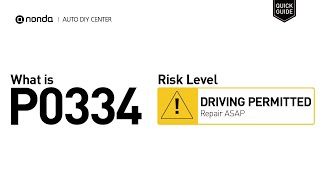
This isn’t something you want to ignore. The knock sensor helps protect your engine from serious damage caused by knocking or detonation. If it’s not working right, your engine could be running in a way that risks long-term damage-things like piston damage, worn bearings, or even a blown head gasket. Honestly, letting this go can turn a simple fix into a major repair bill. Don’t put this off-things can go south quickly if overlooked.
Repair steps for P0334 trouble code
Here’s what usually fixes this issue, based on what I see in the field:
- Repair or replace any damaged wiring or connectors going to the knock sensor.
- Replace the knock sensor itself if it’s faulty.
- If there’s evidence of engine knocking, address the underlying cause-could be anything from bad fuel to timing issues.
- In rare cases, update or reprogram the PCM if there’s a known software issue.
It’s always best to follow the repair manual for your specific vehicle, but these steps cover the most common solutions.

Conclusion
To sum it up, P0334 means your engine’s knock sensor on Bank 2 isn’t sending the right signal, and that’s a problem you shouldn’t ignore. It can lead to poor performance and, worse, serious engine damage if left unchecked. I recommend starting with a careful inspection of the wiring and sensor, then moving on to more complex checks if needed. Don’t wait on this one-the risks just aren’t worth it. The most reliable fix is to address the root cause, whether it’s the sensor, wiring, or something deeper in the engine.
 5579
5579 5 minutes of reading