
Most Common dtc P0367 Causes
From my experience in the shop, the most common reasons for a P0367 code are pretty straightforward, but they can be a bit sneaky. Here’s what I usually see:
- The camshaft position sensor "B" itself is faulty-these sensors do wear out over time.
- Wiring issues, like a broken wire or a short in the harness going to the sensor. Sometimes the insulation gets rubbed through or corroded.
- Poor electrical connections at the sensor plug-corrosion or bent pins can really mess up the signal.
- A weak or failing starter can cause low voltage during cranking, which confuses the sensor signal.
- Problems with the battery, like low charge or bad connections, can also lead to this code popping up.
In cases like this, it’s usually one of these culprits, so I recommend starting your checks here.
Recognizing P0367 Symptoms
If you’re dealing with a P0367, you’ll probably notice a few things right away. The check engine light will almost always be on. You might feel the engine running rough or lacking power, especially when you try to accelerate. Some folks have trouble starting the car, or it might even stall unexpectedly. From what I've seen, hard starting and sudden stalling are big red flags with this code. If you notice any of these, don’t ignore them-things can go south quickly if overlooked.

How to Diagnose obd2 code P0367
Here’s how I personally go about diagnosing a P0367. First, I always check for any Technical Service Bulletins (TSBs) related to this code-sometimes the manufacturer has already found a common fix. Next, I make sure the battery is in good shape and fully charged. A weak battery can cause all sorts of weird electrical issues, so don’t skip this step. Then, I inspect all the wiring going to the camshaft position sensor "B"-look for frayed wires, corrosion, or loose connections. It’s best to have someone assist you by wiggling the harness while you watch for changes. After that, I unplug the sensor and check the connector for bent pins or greenish corrosion. A little dielectric grease on the contacts can help prevent future problems. If everything looks good so far, I test the starter-if it’s slow or dragging, that can cause low voltage and trigger the code. Finally, if all the basics check out, I’ll swap in a new camshaft position sensor. Make sure to clear the code and see if it comes back after a test drive.
Avoiding P0367 trouble code Mistakes
Honestly, one of the biggest mistakes I see is folks jumping straight to replacing the sensor without checking the wiring or battery first. That’s a surefire way to waste money and still have the problem. Another common slip-up is ignoring the starter or battery-if they’re weak, you’ll chase your tail with sensor replacements. Don’t forget to check for TSBs, either; sometimes there’s a known issue with a simple fix that gets overlooked.

The Seriousness of a P0367 code
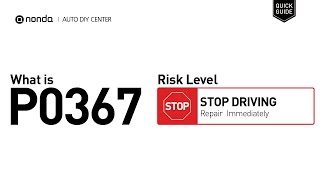
This isn’t something you want to put off for later. If the camshaft sensor signal is weak, your engine can misfire, stall, or even fail to start altogether. That’s a serious hazard, especially if it happens while you’re driving. Prolonged driving with this code can also cause unburned fuel to damage your catalytic converter, which is a costly repair. You don’t want this kind of trouble on the road-get it checked out as soon as possible.
Repairing obd code P0367 Issues
When it comes to fixing a P0367, here’s what usually works best based on what I see in the field:
- Replace the camshaft position sensor "B" if it’s faulty.
- Repair or replace any damaged wiring or connectors going to the sensor.
- Clean and secure all electrical connections-add dielectric grease to prevent future corrosion.
- Replace or repair the starter if it’s drawing too much current or turning slowly.
- Check and replace the battery if it’s weak or not holding a charge.
Always clear the code and take the car for a test drive to make sure the fix sticks.


Conclusion
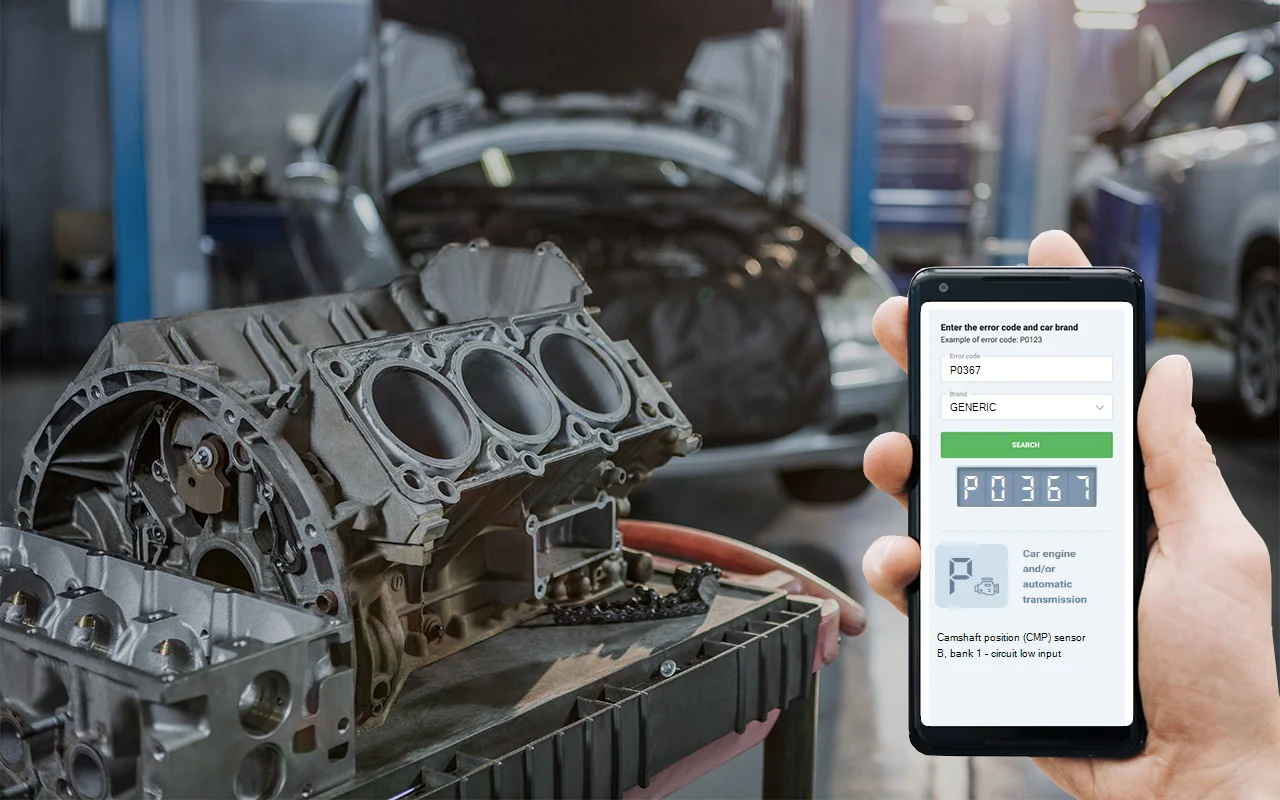
To sum it up, P0367 means your engine’s computer isn’t getting a strong enough signal from the camshaft position sensor "B" on bank 1. This can cause rough running, hard starts, or even stalling-none of which you want to deal with on the road. The most reliable way to fix it is to start with the basics: check the battery, wiring, and connections before replacing the sensor. Don’t ignore this code; the risks just aren’t worth it. Get it diagnosed and repaired promptly to keep your engine running smoothly and avoid bigger headaches down the line.
 5921
 5 minutes of reading