
Causes of P040F code
From what I’ve seen in the shop and what’s confirmed in the manuals, the most common reasons for a P040F code are:
- Low engine coolant level (which can mess with EGR cooling)
- Faulty EGR temperature sensor (either A or B)
- Bad exhaust gas temperature sensor
- Exhaust leaks, especially near the EGR cooler or sensors
- Clogged or restricted EGR cooler
- Engine overheating
In my experience, sensor faults and wiring issues are at the top of the list, but don’t overlook coolant level or exhaust leaks-they can be sneaky culprits.
Symptoms of dtc P040F
Honestly, sometimes you might not notice anything at all when this code sets. But in cases where symptoms do show up, here’s what you’re likely to see:
- Reduced fuel efficiency (you’ll notice you’re filling up more often)
- Coolant leaks (puddles under the car or a drop in the coolant reservoir)
- Exhaust leaks (you might hear a ticking sound or smell exhaust inside or around the vehicle)
- Check engine light on the dash
- Other related codes, especially for EGR or exhaust temperature sensors
From experience, if you see coolant or smell exhaust, don’t ignore it-those are warning signs things could get worse fast.

Diagnosis steps for obd code P040F
Here’s how I tackle a P040F code, step by step:
- Start with a visual inspection. Look closely at the wiring and connectors for the EGR temperature sensors (A and B) and the exhaust gas temperature sensor. Pay special attention to any wires near hot exhaust parts-they can get brittle or melted.
- Check the coolant level. Low coolant can throw off EGR cooling and sensor readings. Top it up if needed, but if it’s low, find out why.
- Plug in a scan tool and pull all stored codes and freeze-frame data. Jot down what you find-it helps if the problem is intermittent.
- Clear the codes and take the car for a test drive to see if the code comes back. If it does, move on to live data.
- Use the scan tool to watch the EGR temperature sensors and exhaust gas temperature sensor readings. If one sensor is way off, that’s your likely suspect. Compare readings to the specs in the service manual.
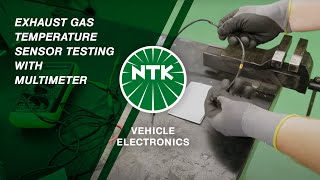
- If the sensors look okay, check the wiring for continuity and shorts using a digital volt/ohm meter. Make sure to disconnect the PCM before testing to avoid any damage.
- If the wiring checks out, use an infrared thermometer to measure exhaust gas temperatures at the EGR cooler inlet and outlet while the engine is running and warmed up. Compare these to the manufacturer’s specs-if the cooler isn’t dropping the temperature as it should, it might be clogged.
- If you find a faulty sensor, wiring issue, or a clogged cooler, replace or repair as needed. Don’t forget to check for exhaust leaks around the EGR system, too.
It’s best to have someone assist you when checking for leaks or measuring temps-two sets of eyes are better than one.
Common mistakes when resolving P040F engine code
I’ve seen folks jump straight to replacing sensors without checking the basics. Here are some common pitfalls:
- Overlooking low coolant or not checking for leaks
- Ignoring wiring and connector issues (these are often the real problem)
- Not comparing sensor readings to actual exhaust temperatures
- Skipping a check for exhaust leaks or a clogged EGR cooler
- Forgetting to address related codes, especially for the diesel particulate filter (DPF), which can affect EGR operation
Always start simple before replacing expensive parts-you’ll save time, money, and headaches.

How serious is P040F
While P040F isn’t usually an emergency, it’s not something you want to ignore. If left unchecked, you could end up with poor fuel economy, increased emissions, or even engine overheating if the EGR cooler is clogged or leaking. Coolant leaks can lead to engine damage, and exhaust leaks are a safety hazard-breathing exhaust fumes is dangerous. Plus, if the EGR system isn’t working right, you risk damaging the EGR valve, cooler, or even the catalytic converter or DPF down the line. Things can go south quickly if overlooked, so don’t put this off for later.
Repair tips for obd2 code P040F
Here’s what usually fixes a P040F code, based on what’s worked in the field and what the manuals say:
- Top off or repair coolant leaks and restore coolant to the proper level
- Replace faulty EGR temperature sensors (A or B) or exhaust gas temperature sensor
- Repair or replace damaged wiring or connectors in the EGR sensor circuits
- Clean or replace a clogged EGR cooler
- Fix any exhaust leaks near the EGR system
- Address any engine overheating issues
- In rare cases, update or reprogram the PCM if there’s a known software issue
Always use quality parts and double-check your work before clearing the code and sending the car back on the road.

Conclusion
To sum it up, P040F means your EGR system’s temperature sensors aren’t agreeing, and that’s a sign something’s off with EGR cooling or sensor readings. It’s not the most urgent code, but it can lead to bigger problems if ignored-especially with coolant or exhaust leaks. I recommend starting with the basics: check coolant, inspect wiring, and compare sensor readings. Most often, the fix is a new sensor or repairing a wiring issue, but don’t rule out a clogged cooler or leaks. The safest bet is to diagnose methodically and fix the root cause-your engine and your wallet will thank you.
 4333
4333 6 minutes of reading