
Causes of P041B engine code
From my time under the hood, these are the top reasons I find behind a p041b code. These come straight from years of diagnosis and a fair bit of trial and error-not just what the manuals say:
- The EGR temperature sensor itself has failed-sometimes they just get cooked from all the heat and age out
- The gasket at the sensor is leaking, letting exhaust sneak past and throw off the readings
- Cracks or leaks in the exhaust pipe right where the sensor threads in-easy to miss, but critical
- Wiring or the sensor harness getting roasted or brittle from years of heat cycling
- Broken, shorted, or open wires-sometimes hidden under insulation or looming
- Corroded, damaged, or loose connectors at the sensor-seen a lot in older cars or any that live in salty environments
- An issue with the engine control module (ECM)-rare, but not impossible
- Shoddy electrical connections anywhere along the circuit-sometimes it’s as simple as a pin not seating right
Honestly, nine times out of ten, it’s a bad sensor or a wiring gremlin. But I’ve chased down every item on this list at one point or another.
Symptoms of obd2 code P041B
So, what’s it feel like when your car throws a p041b code? Here’s what I tell folks to look for:
- The check engine light’s probably glaring at you-almost a given
- If your state does emissions or smog checks, don’t even bother until this is fixed; you’ll fail
- Your engine might sound off-rough idle, maybe some knocking or pinging, or even a rattly exhaust note
- Louder exhaust than you’re used to-especially if there’s a leak involved
- An uptick in exhaust fumes, especially if you catch a strong whiff inside or around the car
Sometimes, especially early on, you won’t notice much except that pesky light. But if you hear weird noises or smell exhaust, don’t let it slide. That’s your car crying out for attention.

Diagnosis steps for obd code P041B
Here’s how I approach tracking down a p041b code-step by step, just like I would in the shop:
- Start with a thorough visual check. Pop the hood, get a good light, and really eyeball the EGR temperature sensor and its wiring. Look for burnt insulation, melted connectors, or any black soot-if you see soot, you’ve likely got a leak right there. Don’t skip checking the exhaust pipe by the sensor; even a hairline crack can be the culprit.
- Check the sensor’s electrical connector. Is it fully seated? Any greenish corrosion or packed-in dirt? Sometimes just unplugging and plugging it back in will reveal a loose fit or hidden corrosion.
- If nothing obvious jumps out, it’s time for the multimeter. Measure the resistance across the sensor and compare it to what your repair manual says it should be. If the numbers are way off, that sensor’s probably at the end of its rope.
- While you’ve got the meter out, give the wiring harness a once-over for continuity and shorts-especially by gently moving the wires. I can’t count how many intermittent faults only show up when you flex the harness.
- If both sensor and wires seem solid, check for carbon buildup. I’ve had cases where just cleaning out the EGR passages and the sensor solved the problem. But take it slow-those sensors can seize in place, and you don’t want to snap one off in the exhaust manifold.
- If you’ve ruled out everything else, then-and only then-look at the ECM. In most cases, though, it’s the last thing you’ll need to swap.
Here’s a pro-tip from the garage: If you’re not used to working around hot exhaust, let everything cool down before you dive in. Burned knuckles aren’t a badge of honor.
Common mistakes when fixing P041B trouble code
I’ve lost count of how many times I’ve seen these mistakes, whether it’s a DIYer in their driveway or even a tech in a rush at the shop:
- Skipping the basics and heading straight for a parts swap-sometimes it’s just a loose or dirty connector, not a dead sensor
- Overlooking small exhaust leaks near the sensor-these can absolutely throw off sensor readings, but they’re easy to miss if you don’t look closely
- Neglecting to check for broken or shorted wires-a new sensor won’t help if the wiring’s shot
- Trying to yank out the sensor when everything’s still hot-it’ll seize up, and snapping one is a nightmare you don’t want
- Ignoring carbon buildup-sometimes cleaning is all it takes, no parts needed
Don’t rush the process. A careful, patient inspection almost always saves you time and money in the end.

How serious is a P041B code
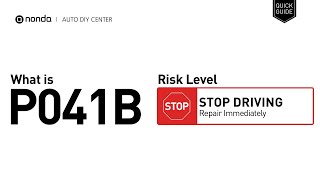
I wouldn’t say P041B is the kind of code where you need to pull over right now-but you can’t just ignore it, either. If you let it go, you’re looking at higher emissions, a risk of engine knock, and potential damage to the exhaust system or even the engine if things get out of hand. Exhaust leaks under the hood? That’s a hard no from me-those fumes can find their way into the cabin, and that’s a real safety risk. Plus, if you need to pass emissions, this code is a guaranteed fail. My advice? Don’t kick the can down the road. Getting on top of it now can save you a much bigger bill later. Parts at risk if you ignore it? The EGR valve, exhaust manifold, and even your catalytic converter if things stay ugly for too long.
How to repair dtc P041B
When it comes time to actually fix a p041b code, here’s what I do, step by step, depending on what the diagnosis turns up:
- If the EGR temperature sensor’s bad or reading out of spec, swap it for a new one
- Spot any signs of a leaking gasket? Replace it-don’t try to patch or reuse it
- Any burnt, corroded, or broken wires or connectors get repaired or swapped out for fresh parts
- Fix any exhaust leaks at the sensor’s mounting area or nearby pipes-don’t let even a small leak slide
- If you find heavy carbon buildup, take the time to clean the sensor and EGR passages. I use carb cleaner and a wire brush-just go easy so you don’t wreck anything
- If, by some rare chance, the ECM’s the culprit, address it last-almost never the issue, but don’t rule it out entirely
One last bit of advice: when you put the sensor back in, dab a little anti-seize on the threads. It’ll make your life a whole lot easier if you ever need to take it out again. And before you clear the code and hit the road, double-check all your connections. Don’t rush this part.



Conclusion
So, here’s the bottom line: a P041B means your EGR temperature sensor “B” is on the fritz, which can mess with emissions and, if left unchecked, engine performance. It’s not a code you have to panic about-but don’t ignore it, either, especially if you want to pass emissions or avoid exhaust leaks. My best advice? Start with a thorough inspection, test the sensor and wiring, and only swap out parts when you’re sure they’re the problem. Put it off, and you could be looking at way bigger headaches down the line. And if you’re ever in doubt, there’s no shame in bringing in a pro who’s chased down this gremlin before.

 3529
3529 7 minutes of reading