
Common Causes of obd code P042D
From experience, the most common reasons I see for a P042D code are:
- A faulty downstream oxygen sensor (the one after the catalytic converter on bank 1)
- Damaged or corroded wiring or connectors going to that sensor
- Exhaust leaks near the sensor, which can throw off its readings
- Problems with the air/fuel mixture-like if the engine is running too rich or too lean
- In rare cases, a glitchy PCM or a PCM that needs reprogramming
Most often the issue is with the sensor itself or its wiring, but I’ve seen all of these pop up in the shop.
Main Symptoms of P042D trouble code
When this code is active, here’s what you might notice:
- The check engine light will definitely be on
- You might feel the engine running a bit rough or not as smooth as usual
- Fuel economy can drop, so you’ll notice you’re filling up more often
- Some folks report a bit more exhaust smell or even a failed emissions test
Sometimes, though, you might not notice anything except that warning light-so it’s easy to ignore, but I wouldn’t recommend it.

How to Diagnose a P042D engine code
Here’s how I usually tackle a P042D:
- Start with a good visual inspection. I always check the wiring and connector for the downstream oxygen sensor-look for frayed wires, corrosion, or anything loose. Sometimes rodents chew on these wires, believe it or not!
- Next, I check for exhaust leaks around the catalytic converter and sensor. Even a small leak can mess with the sensor’s readings. It’s easier if you have someone help-one person can rev the engine while the other listens and feels for leaks.
- If everything looks good, I’ll hook up a scan tool and watch the sensor’s voltage readings. For this sensor, you want to see a steady voltage around 0.45 volts when the engine’s warmed up. If it’s bouncing all over or stuck high or low, that’s a red flag.
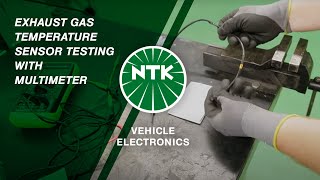
- If the readings are off, I’ll test the sensor’s circuit with a multimeter. I check for continuity in the signal wire and make sure the ground is solid. If you see ‘OL’ (open loop) on the meter, there’s a break somewhere that needs fixing.
- Don’t forget to check for other codes. Sometimes, an engine running too rich or lean can set off oxygen sensor codes, so you want to address those first if they’re present.
- Finally, if all else fails and the wiring and sensor check out, I’ll consider the PCM. It’s rare, but sometimes it needs to be reprogrammed or replaced.
It’s best to start with the basics before jumping to conclusions-most times, it’s something simple.
Avoiding Common Mistakes With obd2 code P042D
A classic mistake I see in the garage is someone replacing the catalytic converter right off the bat when a P042D code pops up. Honestly, that's almost never the real fix. Another one? Skipping a close inspection of the wiring-sometimes it’s just a crusty connector or a broken wire causing all the trouble. Overlooking a tiny exhaust leak near the sensor is another thing that’ll keep you chasing your tail. And here’s a pro-tip: always check for other codes first. If you’ve got other issues like a rich or lean running engine, sort those out first. You’ll save yourself a lot of time and cash.

How Serious Is a P042D code
If you’re wondering how urgent this code is, let me put it this way-it’s not something you want to let slide. Sure, it might not leave you stranded today, but running with a faulty oxygen sensor can hammer your fuel economy, ramp up your emissions, and, worst of all, cook your catalytic converter over time. That’s an expensive fix you don’t want on your hands. If things get too far out of whack-like the air/fuel mixture goes really rich or lean-you’re looking at possible engine damage or an overheated converter. Bottom line: don’t wait around on this one.
Effective Repair Solutions for P042D
Here’s what usually fixes a P042D:
- Replace the downstream oxygen sensor if it’s faulty
- Repair or replace any damaged wiring or connectors
- Fix any exhaust leaks near the sensor or converter
- Address any engine issues that are throwing off the air/fuel mixture
- In rare cases, reprogram or replace the PCM if it’s not processing the sensor signal correctly
After repairs, always clear the code and take the car for a test drive to make sure it doesn’t come back.



Conclusion
To sum it up, P042D means your car’s computer isn’t happy with the temperature reading from the downstream oxygen sensor on bank 1. It’s usually a sensor or wiring issue, but it can point to bigger problems if ignored. I recommend tackling this sooner rather than later-start with a careful inspection of the sensor and wiring, check for exhaust leaks, and only move on to more expensive fixes if needed. Acting quickly keeps your car running efficiently and helps you avoid costly repairs down the road.
 4809
 6 minutes of reading