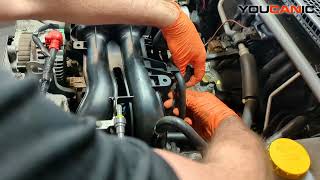
When you see a p0458 code pop up, your car's basically telling you there's trouble with the circuit that runs the evaporative emission system’s purge valve. In plain English, that's the part responsible for letting fuel vapors from your gas tank get routed into the engine to burn-rather than letting them leak into the air. This system is critical for reducing emissions, and trust me, I've seen firsthand how a little valve like this can create big headaches when it fails. The computer expects the circuit to read within a certain voltage range. If it drops too low-maybe because the valve isn’t opening as it should or there’s a wiring hiccup-the car logs this code. Think of it as your vehicle’s way of waving a red flag and saying, “Hey, something’s up with how we’re handling fuel vapors.”
DTC P0458
 3747
3747 5 minutes of reading
Causes and obd2 code P0458
From years of poking around under hoods, I can tell you the main culprit behind a P0458 code is almost always a faulty EVAP purge solenoid. That’s the valve that should open and close to let those vapors flow at just the right time. But don’t get tunnel vision and blame the solenoid every time-wiring issues like frayed wires, loose pins, or corroded connectors in the circuit are just as guilty. Every so often, the real problem hides in the car’s computer (the PCM), but that's pretty rare. Here’s what I usually find when chasing down this code:
- A bad or stuck EVAP purge solenoid
- Wiring or connectors that are damaged, corroded, or just plain loose in the purge valve circuit
- A glitchy or failing PCM (not common, but it happens)
Symptoms and P0458 engine code
When p0458 shows up, the very first thing you’ll spot is that dreaded check engine light staring you down. But that’s not always the only sign. Plenty of drivers have told me they catch a strong whiff of gasoline inside the cabin-which should set off alarm bells. Another symptom I see a lot is your gas mileage taking a hit. If you’re suddenly stopping at the pump more often or picking up on any fuel smells, and you’ve got that light on, don’t shrug it off. This code could be the reason.

Diagnosis and obd code P0458
If you rolled into my shop with a P0458, here’s how I’d tackle it. I always start with the basics: pop the hood and inspect the wiring and connector at the purge valve. Look for anything out of place-loose plugs, chewed wires (rodents love snacking on harnesses), or any greenish corrosion. If all looks good, unplug that connector and check for moisture or corrosion inside. Next, I grab a multimeter and check for voltage at the connector with the key on. If there’s no juice, you’re probably staring at a wiring or PCM issue. But if the power checks out, I move on to the purge solenoid itself. Sometimes you can hear or feel it click when energized; other times, checking its resistance will tell you if it’s shot. If the numbers are off, swap it out. After any fix, clear the code and take it for a spin to see if it returns-sometimes it’s just a loose connection causing all this fuss. Only after all that would I suspect the PCM, and honestly, that’s a rare bird.
Common Mistakes and P0458 trouble code
Here's a classic mistake I see all the time: folks rush out and buy a new purge valve without even glancing at the wiring. Nine times out of ten, a bad wire or corroded connector is the real troublemaker. Another one? Not clearing the code after a repair-so you end up chasing your tail, not knowing if the problem’s actually fixed. And don’t forget the easy stuff: check that gas cap and scan for any obvious damage under the hood before you start throwing parts at the problem. Trust me, you’ll save time and cash by starting with the simple stuff first.

Seriousness and dtc P0458
Let me be straight with you: p0458 isn’t something you want to ignore. While it might not leave you stranded on the side of the road, it does mean fuel vapors could be leaking from your system-and that’s a real fire risk, especially if you park in an enclosed space. On top of that, your wallet will feel it at the pump since fuel efficiency goes downhill. Unchecked, a faulty purge valve or wiring can even lead to other EVAP components failing-and in rare cases, damage your PCM. So, don’t put this off. Waiting can really come back to bite you.
Repair and P0458 code
Most of the time, fixing p0458 means swapping out the EVAP purge solenoid if it’s bad. But if you spot any damaged wires or crusty connectors, those need attention first-repair or replace as needed. If you’re unlucky and the PCM is to blame, you might be looking at reprogramming or replacement, though that’s pretty rare in my book. My advice: Always check and fix the wiring before replacing the valve, clear the code, and take the car for a road test to make sure the light stays off. That’s how you know you’ve nailed it.
Conclusion
To wrap it up, a p0458 or dtc p0458 code is your car’s way of letting you know there’s a problem with the purge valve circuit controlling those fuel vapors. Usually, it’s the purge valve itself or a wiring issue. Ignore it, and you’re risking fuel leaks, wasted gas, and bigger headaches later. Check the wiring and connectors first, then move on to the valve, and only worry about the computer if everything else checks out. Tackle it now, and you’ll save yourself trouble-and cash-down the road.