
Causes of P050E code
From what I’ve seen in the shop, there are a handful of usual suspects when it comes to this trouble code. Most often the issue is with the exhaust gas temperature sensor itself-it might be faulty or its wiring could be damaged, especially since these wires run close to hot exhaust parts. Sometimes, moisture can get into the exhaust and freeze, especially if you live somewhere with harsh winters. I’ve also run into cases where the problem is a glitch in the car’s computer (PCM), or even a programming issue. Here’s what I typically look for:
- Failed exhaust gas temperature sensor
- Burned, broken, or shorted wiring to the sensor
- Frozen moisture inside the exhaust system
- PCM (engine computer) software errors or faults
Symptoms of P050E engine code
When this code pops up, you’ll probably notice a few things. The engine might feel weaker than usual, and you could see your fuel economy take a hit. Sometimes, you’ll spot extra black smoke coming out of the exhaust, which is never a good sign. In some cases, you might get other warning lights or codes related to the DEF system. If you see any of these, it’s a clear sign something’s up with your emissions system.

Diagnosis steps for P050E
Here’s how I usually tackle this issue. First, I always check for any technical service bulletins (TSBs) that might apply to your vehicle-sometimes the manufacturer already knows about a common issue and has a fix. Then, I grab my scan tool and pull all the codes, making note of any related data. Next, I do a careful visual inspection of the exhaust gas temperature sensor and its wiring, especially where it runs near hot exhaust parts-look for melted insulation, broken wires, or loose connectors. If everything looks okay, I clear the codes and take the car for a cold start test drive to see if the code comes back. If it does, I use a digital volt/ohm meter (DVOM) to check the sensor’s resistance against the manufacturer’s specs. If the sensor checks out, I test for proper voltage at the sensor connector (usually 5 volts). If the voltage is missing, I trace the wiring back to the PCM and check for any breaks or bad grounds. If the sensor and wiring are good, but the readings on the scan tool don’t match what I get with an infrared thermometer, I start to suspect the sensor is inaccurate or the PCM might have a software issue. It’s always best to double-check you’re testing the right sensor-sometimes people mix up the exhaust temp sensor with the oxygen sensor. And watch out for hot exhaust parts-burns are no joke!
Common Mistakes with obd2 code P050E
One thing I see a lot is folks replacing the wrong sensor-exhaust gas temperature sensors and oxygen sensors can look similar, but they’re not the same. Another common mistake is skipping the wiring check; a lot of problems come down to a simple broken or burned wire. Some people also forget to check for TSBs or software updates, which can save a ton of time. And don’t forget to test the sensor when the engine is cold, since that’s when the code sets. Rushing through these steps can lead to wasted time and money.

Seriousness of P050E trouble code
This is not something you want to ignore. When this trouble code is active, the DEF injection system might be disabled, which means your emissions system isn’t working right. That can lead to higher pollution, poor fuel economy, and even engine damage if left unchecked. Honestly, if you keep driving with this problem, you could end up with a clogged DPF (diesel particulate filter), damaged catalytic converter, or other expensive repairs. It’s a serious hazard for both your engine and the environment, so don’t put this off.
Repair options for dtc P050E
In most cases, fixing this issue involves replacing a faulty exhaust gas temperature sensor or repairing its wiring. If moisture has frozen inside the exhaust, a good long drive after clearing the code can sometimes solve the problem. If the sensor and wiring check out, a PCM software update or reprogramming might be needed. In rare cases, the PCM itself could be at fault and need replacement. I always recommend starting with the simple stuff-sensor and wiring-before moving on to the computer.

Conclusion
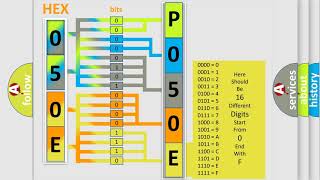
To sum it up, P050E means your car’s computer isn’t seeing the exhaust temperature it expects after a cold start, which can mess with your emissions system. It’s a high-priority issue that can lead to bigger problems if ignored. The most reliable way to fix it is to carefully check the exhaust gas temperature sensor and its wiring, then move on to software or computer issues if needed. Don’t wait on this one-acting quickly can save you a lot of hassle and keep your vehicle running clean and strong.

 6462
6462 5 minutes of reading