
Causes and dtc P053A Issues
From experience, the most common reasons I see for a P053A code are:
- A PCV valve that’s stuck open or clogged up with sludge.
- Problems with the wiring-like a broken wire, short, or oil contamination in the connector for the PCV heater circuit.
- A failed PCV heater element itself.
- Contaminated or dirty PCV system air filter (sometimes it’s built into the valve cover).
- Internal issues with the ECM, though that’s much less common.
Most often, it’s a combination of a gummed-up PCV valve and wiring that’s been soaked in oil over time. I recommend starting with the basics before jumping to conclusions about expensive parts.
Symptoms Related to obd code P053A
When this code is active, here’s what you might notice as a driver:
- Higher than normal oil consumption-meaning you’re adding oil more often.
- Sludge or milky residue in your engine oil (shows up on the dipstick or oil cap).
- Engine misfires, especially at idle or when starting up.
- Poor fuel economy-you’ll notice you’re filling up more often.
- Oil leaks around the engine, especially near gaskets and seals.
- Sometimes you’ll hear odd noises from the engine bay, like a whistle or faint hissing sound, if the PCV valve is malfunctioning.
It’s not always dramatic, but these are warning signs you don’t want to ignore.

Diagnosis Steps for P053A engine code
Here’s how I usually tackle a P053A code, step by step:
- First, I always check for any technical service bulletins (TSBs) for your specific make and model. Sometimes the manufacturer knows about a common issue and has a fix ready.
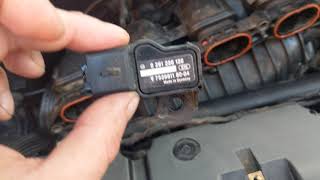
- Next, I inspect the PCV valve. With the engine idling, I’ll carefully disconnect the valve from the valve cover and put my finger over the hose-if it’s working, you’ll feel strong suction. I also shake the valve; if it rattles, it’s likely clear. No rattle means it’s clogged.
- If the valve is dirty, I’ll try cleaning it with carb cleaner. If it’s still not right, replacement is the way to go.
- Then, I check the wiring and connectors for the PCV heater. Oil can seep into these and break down the insulation, causing electrical issues. I look for any signs of oil, corrosion, or broken wires, and repair as needed.
- Don’t forget to check the PCV heater element itself for continuity with a multimeter. If it’s open or shorted, it needs to be replaced.
- Finally, I clear the code and see if it returns after a test drive. If it does, further diagnosis may be needed, possibly including checking the ECM, but that’s rare.
It’s best to start with these simple checks before moving on to anything more complex. Having someone assist you can make it easier, especially when checking for suction or holding parts in place.
Common Mistakes When Handling P053A trouble code
Honestly, I’ve seen a lot of folks jump straight to replacing the PCV valve or even the ECM without doing the basics. Here are some common pitfalls:
- Not checking the wiring and connectors for oil contamination or damage.
- Overlooking the PCV heater element itself-sometimes it’s the heater, not the valve, that’s failed.
- Skipping the TSBs-manufacturers sometimes have known fixes that save a lot of time and money.
- Replacing parts without cleaning or inspecting them first. Sometimes a good cleaning is all that’s needed.
Don’t rush-take it step by step, or you might end up spending more than you need to.

Seriousness of obd2 code P053A
This isn’t something to put off. While P053A isn’t an immediate safety hazard, ignoring it can lead to bigger problems. If the PCV system isn’t working, pressure can build up in the engine, blowing out seals and gaskets, leading to oil leaks and even engine damage. Sludge buildup can clog oil passages, starving your engine of lubrication. You don’t want this kind of trouble on the road-things can go south quickly if overlooked. Parts at risk include gaskets, seals, and even the engine internals if oil contamination gets bad enough.
Repair Solutions for P053A
In cases like this, the most reliable fixes are:
- Cleaning or replacing the PCV valve if it’s clogged or stuck.
- Repairing or replacing any damaged or oil-soaked wiring and connectors in the PCV heater circuit.
- Replacing the PCV heater element if it fails continuity testing.
- Cleaning or replacing the PCV system air filter if it’s dirty or clogged.
- Clearing the code and verifying the repair with a test drive.
Always use OEM parts and follow the service manual for your specific vehicle to make sure everything’s done right.


Conclusion
To sum it up, P053A means your engine’s PCV heater circuit isn’t working right, which can lead to oil leaks, sludge, and even engine damage if ignored. It’s not the most urgent code, but it’s definitely not one to ignore-fixing it early can save you a lot of headaches down the road. Start with simple checks of the valve, wiring, and heater, and you’ll usually find the culprit. The most reliable path is a thorough inspection and targeted repair, not just swapping parts at random. Don’t put this off-your engine’s health depends on it.
 5498
5498 5 minutes of reading