
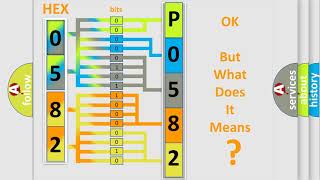
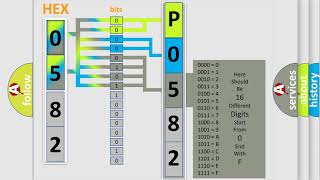
Causes of P0582 trouble code
From experience, the most common culprits behind a p0582 are usually pretty straightforward. Here’s what I see most often in the shop:
- A faulty vacuum solenoid that’s not regulating vacuum properly.
- A cruise control servo that’s failed or jammed.
- Vacuum lines that are cracked, disconnected, bent, or leaking.
- Mechanical blockage or restriction in the servo’s operating range.
- Wiring problems-like shorts, broken wires, corrosion, or high resistance in the circuit.
- An issue with the ECM itself, though this is less common.
- Physical blockages in the vacuum channels.
- A stuck or snagged cruise control servo cable.
- An engine vacuum leak affecting the whole system.
- Connector problems-broken tabs, rusty contacts, melted housings, or missing insulation.
Most often, it’s a simple vacuum leak or a bad solenoid, but I always check the wiring and connectors too, since those can cause all sorts of headaches.
Symptoms of P0582 code
When this code pops up, you’ll usually notice a few things right away. The most obvious is that your cruise control just won’t work, or it’ll act strangely-like not setting, not resuming, or not holding speed. You might see the check engine light come on, and sometimes the cruise control indicator stays lit on the dash. Some drivers report the car’s speed fluctuating even when cruise is set. In a few cases, you might hear a hissing noise from under the hood, which is a telltale sign of a vacuum leak. If any cruise functions-like ‘set,’ ‘resume,’ or ‘accelerate’-aren’t working, that’s another clue. Honestly, if you rely on cruise control, this code is hard to ignore.

Diagnosis steps for dtc P0582
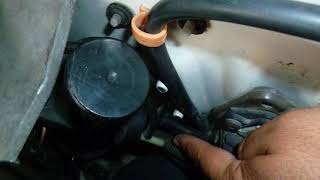
Let me walk you through my go-to process for chasing down this code. First off, get your eyes on every inch of those vacuum lines-look for cracks, splits, or anything out of the ordinary. I like to have a helper in the driver’s seat switching the cruise control on and off while I keep an ear out for any telltale hissing. Next up: check the vacuum solenoid and the servo. Any physical damage, corrosion, or obvious wear? Don’t ignore it. Make sure the servo cable is moving freely-a stuck cable can throw the whole system out of whack, and it’s a sneaky one most folks miss. Once I’ve looked over the hardware, I grab my multimeter and compare the solenoid’s readings with what the manual calls for. If those numbers are off, you’ve probably found your culprit. Don’t forget to check every connector and wire-broken pins, corroded contacts, melted plastic, you name it. If you’ve got a vacuum gauge handy, measure vacuum at the manifold and at the cruise system; you want to see around 50-55 kPa when the engine’s up to temp. If you still can’t nail it down, then it’s time to get into the ECM or dig up any technical service bulletins for your particular vehicle. Sometimes there’s a known issue or recall that’ll save you a ton of time.
Common mistakes when fixing obd code P0582
A classic mistake I see? Folks throwing new parts at the problem without checking the basics first. Skipping a careful look at those vacuum lines is a sure way to miss something cheap and easy. Another common trip-up: swapping the solenoid before testing its electrical values. I can’t tell you how many times the root cause is a bad connector or wire, but everyone overlooks it. I’ve also seen techs chase their tails because nobody checks the servo cable-it’s out of sight, so it’s out of mind. Bottom line? Don’t ignore the simple, obvious stuff. That’s where the gold is.

Seriousness of obd2 code P0582
Now, P0582 won’t usually leave you stranded or put you in immediate danger, but don’t shrug it off. If you count on cruise control for highway miles, losing it is a real hassle. More than that, a vacuum leak can mess with your engine’s performance and fuel mileage, and sometimes it’ll even cause stalling or rough idling. Ignore it long enough and you risk hurting the servo, solenoid, or in rare cases, the ECM-especially if there’s an electrical short. Things can get expensive fast if you let this slide, so it’s best to get on top of it before it snowballs.
Repair solutions for P0582 engine code
Fixing this one all comes down to what you turn up during diagnosis. Here are the repairs I trust:
- Swap out any vacuum lines that are cracked, leaking, or just plain worn out.
- Replace a faulty vacuum solenoid-these are common troublemakers.
- If the cruise control servo is jammed or dead, it’s time for a new one.
- Handle wiring issues: splice broken wires, scrub off corrosion, or change out connectors that are toast.
- Clear out any physical blockages in vacuum passages.
- Seal up any engine vacuum leaks that might be throwing the system off.
- And if you’ve ruled everything else out and it’s the ECM (which is rare), follow the OEM process for repair or replacement.
My advice? Start with the vacuum lines and solenoid. They’re the most likely suspects and usually the quickest fixes.

Conclusion
Bottom line: when you see P0582, your cruise control’s vacuum circuit isn’t happy-most often thanks to a leak, a bum solenoid, or a wiring hiccup. It’s not the scariest code out there, but if you let it sit, you’re inviting bigger problems. Always start with the basics-vacuum lines, solenoid, wiring-before digging into the trickier stuff. Jump on it early and you’ll keep your cruise control running smooth, not to mention avoid a world of frustration down the line. Stick to this hands-on approach, and you’ll have the best shot at getting it sorted without wasting money on unnecessary parts.

 5233
5233 6 minutes of reading