
Causes of Cruise Control Issues Related to obd code P0583
From my time under the hood, the biggest troublemakers behind a P0583 code tend to be the vacuum solenoid or the vacuum lines themselves. Here’s what I see trip folks up most often:
- A vacuum solenoid that's gone bad (that’s the one responsible for letting vacuum flow to the cruise control)
- A cruise control servo that’s not doing its job
- Vacuum lines with cracks, splits, kinks, or ones that have simply come loose
- Something physically blocking the servo from moving like it should
- Electrical gremlins-shorts, broken or corroded wires, or just too much resistance in the circuit
- An ECM issue (not common, but I’ve seen it a couple times)
- Blockage somewhere in the vacuum passageways
- A cruise control servo cable that’s stuck or jammed up
- Engine vacuum leaks that mess with the whole system
- Connector headaches-think busted tabs, corroded pins, melted housings, or insulation that’s missing in action
In most situations, you’re looking at something simple like a vacuum leak or a faulty solenoid. Still, don’t rule out wiring or connector problems-they have a sneaky way of making life difficult.
Symptoms of Cruise Control Problems Involving obd2 code P0583
When this code pops up, you'll usually notice a few telltale signs. The most obvious? Your cruise control is dead in the water or just acts weird-it might not set, won’t resume, or refuses to accelerate when you tell it to. Sometimes the check engine light comes on, and you might see the cruise control light stay lit up on your dash. I've had drivers tell me their speed feels jumpy, or they hear a faint hissing under the hood (classic sign of a vacuum leak). Bottom line: if your cruise control is acting up, this code is often to blame.

Diagnosis Steps for Cruise Control Issues with dtc P0583
I've got a routine when P0583 shows up, and it's saved me a lot of headaches over the years. Here’s the usual step-by-step:
- First thing, I check for any technical service bulletins (TSBs) for your specific car. Sometimes the manufacturer already knows about the issue and there's a straightforward fix waiting.
- Next, I open the hood and follow the vacuum control line for the cruise control. I’m looking for the basics-cracked hoses, loose connections, anything that just doesn’t look right. If I spot something broken, I fix that first.
- While I’m in there, I’ll take a closer look at the vacuum solenoid and the cruise control servo. Any signs of damage? I also make sure the servo cable isn’t stuck or binding, since that’ll throw the whole system out of whack.
- If there’s a vacuum solenoid in play, I break out the multimeter and check its electrical readings based on what the service manual says. Numbers outside the expected range? Time for a new solenoid.
- Sometimes I’ll hook up a vacuum gauge to check if the system is actually getting enough vacuum from the intake manifold. You want to see about 50-55 kPa at normal temp. If it’s low, you probably have a leak or blockage somewhere.
- If everything still looks good, I move on to the wiring and connectors-looking for corrosion, broken pins, or melted plastic. Electrical issues like these will absolutely trigger this code.
Start simple-hoses and connectors-before getting into the more technical stuff. And here’s a tip: having someone help you check the servo movement or listen for vacuum leaks can make the job a whole lot easier.
Common Mistakes When Fixing the P0583 code
A classic mistake I see is skipping the easy stuff. Folks dive right into swapping parts without giving the vacuum hoses or connectors a good once-over. Another one? Testing the wrong part-lots of cars have more than one solenoid or servo under the hood, and mixing them up is easier than you’d think. People also overlook wiring and connectors; a little corrosion or a nearly invisible break in the wire can keep you chasing your tail. And don’t forget to check for TSBs-missing those can mean you’re missing out on a known, simple fix.

How Serious Is a P0583 Code Issue
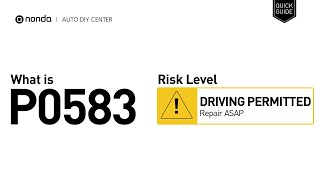
Let’s be real: this isn’t the kind of code that’s going to leave you stranded on the side of the road, and it’s not a major safety risk right out of the gate. Worst case, your cruise control just won’t work-annoying, sure, but not dangerous for most folks. That said, if you’re dealing with a vacuum leak, it can eventually start messing with your engine’s performance, idle, and even gas mileage. Leave it long enough and you could end up with a rough-running engine or even more trouble codes. So, while you don’t need to panic, it’s smart to fix it before those little issues grow into something bigger.
Repair Solutions for the P0583 trouble code
Here’s what usually gets a P0583 sorted out, based on what I see in the shop and what the manuals say:
- Swap out any damaged or leaking vacuum lines
- Replace the vacuum solenoid if it’s not testing right
- Repair or replace the cruise control servo if it’s stuck or busted
- Clear any blockages in the vacuum passages
- Fix or replace any wiring or connectors that are damaged
- Seal up any vacuum leaks in the engine system
- On rare occasions, you’ll have to repair or replace the ECM if it’s the root cause
Once you’ve made your repairs, clear the code and test the cruise control. I always double-check to make sure everything’s working before calling it done.



Conclusion
Bottom line: if you see P0583, your cruise control vacuum circuit isn’t doing what it’s supposed to-usually thanks to a vacuum leak, a bum solenoid, or a wiring issue. It’s not a code that should keep you up at night, but ignoring it can lead to bigger headaches, especially if you let a vacuum leak fester. My advice? Start with a good visual inspection-hoses, solenoids, connectors-then work your way through the system. Most times, patching a leak or swapping out a faulty solenoid is all it takes to get your cruise control back in action. Don’t let the small stuff slide, though. In my experience, little problems have a way of turning into big ones if you let them go.
 5089
 6 minutes of reading