
Causes of dtc P060D
From what I’ve seen in the shop, P060D usually comes down to a few main culprits. Most often the issue is with the PCM itself-either a hardware failure or a programming glitch. But I’ve also run into cases where the problem is a bad APP or TPS sensor, or even something as simple as a corroded connector or a broken wire in the harness. Sometimes, the ground connection for the control module isn’t solid, which can throw things off. And don’t forget, a short or open circuit between the sensors and the PCM can cause this too. Here’s a quick list of the most common causes I encounter:
- Faulty PCM (hardware failure or programming error)
- Defective APP or TPS sensor
- Broken, shorted, or corroded wiring/connectors in the CAN harness
- Poor ground connection for the control module
- Faulty drive-by-wire throttle actuator
Symptoms of obd code P060D
If you’re dealing with a P060D code, you’ll probably notice some pretty obvious issues. In cases like this, it’s usually more than just a warning light. You might feel the car hesitate or stumble when you try to accelerate, or the throttle might not respond at all. Sometimes the engine will idle rough, or the cruise control just won’t work. I’ve seen cars get stuck in limp mode, where you can barely get any power out of the engine. Shifting can get jerky, and your fuel economy might take a hit. Here’s what you might notice:
- Check engine light is on
- Sluggish or no acceleration
- Rough idle or stalling
- Transmission shifts harshly or erratically
- Poor fuel economy
- Cruise control not working
- Throttle stuck open or closed

Diagnosis and P060D trouble code
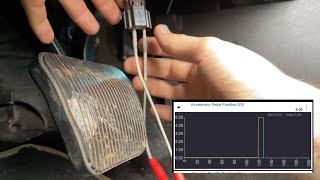
Here’s how I usually go about diagnosing a P060D code. First, I always start with the basics-connect a scan tool and pull all the codes, including any freeze frame data. It’s important to write this down in case the problem is intermittent. Next, I clear the codes and take the car for a test drive to see if the code comes back or if the PCM goes into readiness mode. If the code pops up again, I recommend checking for any technical service bulletins (TSBs) related to your car and this code-sometimes there’s a known fix. After that, I inspect the wiring and connectors at the APP and TPS sensors and the PCM for any signs of corrosion, damage, or loose connections. Don’t forget to check the grounds-bad grounds are a sneaky cause of all sorts of electrical issues. Using a digital volt/ohm meter, I test the sensors and circuits for proper resistance and voltage, following the manufacturer’s specs. If everything checks out but the code remains, I look at the PCM itself. Sometimes, the only way to confirm a bad PCM is to swap it out and reprogram it, which usually requires dealer-level tools. Here’s a step-by-step rundown:
- Scan for all codes and record freeze frame data
- Clear codes and perform a test drive
- Check for related TSBs
- Visually inspect wiring, connectors, and grounds for damage or corrosion
- Test APP and TPS sensors with a volt/ohm meter
- Check power and ground at the PCM
- If all else fails, suspect the PCM and consider replacement and reprogramming
Common Mistakes with P060D
Honestly, I’ve seen a lot of folks jump straight to replacing the sensors or even the PCM without checking the basics first. One of the biggest mistakes is overlooking a simple wiring issue or a bad ground. Another common error is not checking for other codes-sometimes a related sensor code needs to be fixed first. Skipping the TSB search is another missed opportunity; sometimes the answer is right there from the manufacturer. My advice: always start with the simple stuff, and don’t assume the most expensive part is the culprit.

Seriousness of P060D engine code
This is not something you want to ignore. A P060D code can cause sudden loss of power, unpredictable throttle response, or even stalling-none of which you want happening in traffic. From experience, this can quickly turn into a safety hazard, especially if the car drops into limp mode or the throttle sticks. If left unchecked, you risk damaging the PCM, throttle actuator, or even the transmission due to harsh shifting. The risks just aren’t worth it-get this checked out as soon as possible.
Repair options for obd2 code P060D
When it comes to fixing P060D, here’s what I typically see work best. If the problem is with wiring or connectors, cleaning or repairing those can solve it. If a sensor is bad, replacing the APP or TPS sensor is the way to go. For ground issues, cleaning and tightening the ground connections often does the trick. If the PCM is at fault, it will need to be replaced and reprogrammed-this usually requires dealer-level equipment. Sometimes, a software update for the PCM is all that’s needed, especially if there’s a TSB out for your vehicle. Here’s a summary of the usual fixes:
- Repair or replace damaged wiring/connectors
- Replace faulty APP or TPS sensor
- Clean and secure all ground connections
- Replace and reprogram the PCM if necessary
- Update PCM software if a TSB applies


Conclusion
To sum it up, P060D means your car’s computer isn’t happy with the signals it’s getting from the gas pedal position circuit. This is a high-priority issue that can affect your car’s performance and safety, so don’t put it off. The most reliable way to resolve it is to start with the simple checks-wiring, connectors, grounds, and sensors-before moving on to the PCM. Acting quickly can save you from bigger headaches and keep you safe on the road.
 4896
 6 minutes of reading