
Causes of P0666 code
From experience, the most common reasons I see for a P0666 code are usually pretty straightforward. Here’s what tends to go wrong most often:
- Corroded or damaged connectors-moisture or dirt can sneak in and mess things up.
- Loose or faulty ground straps for the control module-if the module isn’t grounded well, it can’t work right.
- Broken or damaged wiring-wires can get pinched, rubbed through, or even burned.
- A failed PCM, ECM, or TCM-sometimes the module itself just gives out, but that’s less common than wiring or connector issues.
In cases like this, it’s usually something simple like a bad connection or ground, but I’ve seen all of the above in the shop.
Symptoms of dtc P0666
When this code is active, you’ll probably notice a few things, and some can be pretty serious. Here’s what you might run into:
- The engine might not start at all.
- If it does start, it could stall unexpectedly-definitely not something you want happening in traffic.
- Shifting can get weird or harsh, especially if the transmission module is involved.
- You’ll see the check engine light or transmission warning light on the dash.
Sometimes, the only sign is a warning light, but don’t count on it staying that way-things can go south quickly if ignored.

Diagnosis and troubleshooting for obd code P0666
Here’s how I usually tackle a P0666 code, step by step. First, I always check for any technical service bulletins (TSBs) related to your specific make and model-sometimes there’s a known issue that can save a lot of time. Next, I do a thorough visual inspection of all the wiring and connectors going to the control modules. I’m looking for obvious stuff: frayed wires, burn marks, loose plugs, or signs of corrosion. Don’t forget to check the ground straps-make sure they’re tight and not rusty. After that, I unplug the connectors and look for bent or broken pins. If everything looks good, I’ll use a digital multimeter to check for proper voltage and ground at the module connectors. It’s best to have someone help you here, especially if you need to wiggle wires while checking for intermittent faults. If I find any resistance or lack of continuity in the wiring, that’s a red flag-wiring repairs or replacements might be needed. Only if all the wiring and connections check out do I start thinking about the module itself being faulty. It’s best to rule out the simple stuff first before jumping to expensive parts.
Common mistakes when fixing P0666
I’ve seen a lot of folks, even some techs, jump straight to replacing the PCM, ECM, or TCM without checking the wiring or connectors first. That’s a surefire way to waste money and not fix the problem. Another common mistake is overlooking ground connections-just because they look okay doesn’t mean they’re making good contact. Also, skipping the TSB research can mean missing out on an easy fix. Always start with the basics before moving on to the big-ticket items.

Seriousness of the P0666 engine code
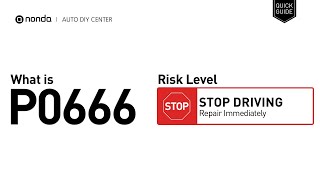
This isn’t one of those codes you want to ignore. Depending on what’s actually wrong, you could be dealing with anything from a simple warning light to a car that won’t start or suddenly stalls. That’s a serious hazard, especially if it happens while you’re driving. If left unchecked, you risk damaging expensive modules or even causing transmission or engine issues. The risks just aren’t worth it-get it checked out as soon as possible.
Repair steps for obd2 code P0666
Most often, the fix comes down to cleaning corrosion from connectors, repairing or replacing damaged wiring, or tightening up ground straps. If the wiring and connections are all good, sometimes the module needs to be reprogrammed or, in rare cases, replaced. I personally recommend starting with the simple stuff-clean, repair, and double-check all connections-before considering a new PCM, ECM, or TCM. That’s the most reliable way to avoid unnecessary costs.


Conclusion
To sum it up, P0666 means your car’s main computer isn’t happy with the way it’s monitoring its own temperature. It can be anything from a minor wiring issue to a major module failure, but most of the time, it’s something simple. Don’t put this off-diagnose it promptly, starting with the basics like wiring and grounds. The risk level can be high, especially if your car won’t start or stalls. The best path is always to rule out the easy stuff first, and only move on to replacing expensive modules if you’re absolutely sure that’s the culprit. That’s how I’d handle it in my own shop, and it’s the safest bet for you, too.
 3572
3572 5 minutes of reading