
Common Causes of obd code P0679
From what I’ve seen in the shop and based on official repair data, the most common reasons for a P0679 code are:
- A failed glow plug in cylinder 9. This is the most frequent culprit, especially as these plugs wear out over time.
- Broken or shorted wiring to the glow plug. Sometimes the wires get brittle, cracked, or even chewed by rodents.
- A damaged connector at the glow plug. Corrosion or loose connections can easily cause trouble here.
- A faulty glow plug control module. While less common, I have seen cases where the module itself stops working right and can’t send power to the plug.
Most often the issue is with the glow plug itself or the wiring right at the plug, but it’s important to check the whole circuit to be sure.
Recognizing the P0679 code Symptoms
When this code pops up, here’s what you might notice behind the wheel:
- The check engine light will come on-sometimes that’s the only clue if just one glow plug is out.
- Hard starting, especially when it’s cold outside or if the engine’s been sitting for a while. The engine may crank longer than usual before firing up.
- Rough running or hesitation right after startup, until the engine warms up.
- Less power until the engine gets some heat in it.
- In really cold weather, the engine might not start at all.
- You might see the pre-glow indicator on the dash stay on longer or not go out as it should.
From experience, a single bad glow plug usually won’t leave you stranded unless it’s freezing out, but it’s still something you don’t want to ignore.

Step-by-Step Diagnosis for P0679
Here’s how I’d go about tracking down the problem, step by step:
- Start simple: Visually inspect the wiring and connector at glow plug #9. Look for loose connections, corrosion, cracked insulation, or anything that looks out of place. It’s better to have someone help you wiggle the wires while you watch for movement or breaks.
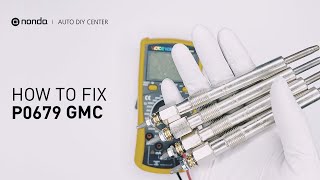
- Check the glow plug itself. Disconnect the wire from the glow plug, grab a digital volt-ohm meter (DVOM), and set it to measure resistance (ohms). Touch one probe to the glow plug terminal and the other to a good ground. You should see a reading between 0.5 and 2.0 ohms (double-check your vehicle’s specs, but that’s the usual range). If it’s outside that range, the glow plug is likely bad and needs replacing.
- Test the wiring from the relay or bus bar to the glow plug. Again, use your DVOM to check resistance in the wire. If it’s higher than 2 ohms, the wire could be damaged and should be replaced.
- Inspect the glow plug control module and relay. Make sure the relay is clicking and sending power when it should. Sometimes these modules are built into the engine computer, sometimes they’re separate.
- After any repairs, use a code scanner to clear the code and see if it returns. Don’t forget to cycle the ignition and check if the pre-glow indicator behaves normally.
I recommend starting with the glow plug and wiring before moving on to the control module, since those are the most common trouble spots.
Common Mistakes When Addressing the P0679 trouble code
I’ve seen a few missteps over the years that can waste time or lead to unnecessary repairs:
- Replacing the glow plug without checking the wiring or connector-sometimes the plug is fine but the wire is broken or corroded.
- Overlooking the control module or relay, especially if multiple glow plug codes are present. If you see code P0670 along with P0679, always diagnose P0670 first.
- Not using a meter to check resistance-guessing can lead you in circles. Always confirm with a proper test.
- Skipping the basics, like making sure the connectors are tight and clean.
It’s best to take your time and check each part of the circuit before replacing anything.

How Serious is obd2 code P0679
This isn’t something you want to put off, especially if you live where it gets cold. A single bad glow plug might not seem like a big deal, but if you ignore it, you could end up with hard starts, rough running, or even a no-start situation when the temperature drops. That’s a surefire way to end up stranded on a cold morning. Plus, repeated hard starts can put extra strain on your battery and starter, and unburned fuel can cause issues with your exhaust system over time. Honestly, it’s dangerous to ignore this if you rely on your vehicle in winter. Things can go south quickly if more glow plugs fail or if the wiring shorts out.
Effective Repair Solutions for dtc P0679
Here’s what usually fixes the problem, based on OEM procedures and what I’ve seen work in the field:
- Replace the glow plug in cylinder 9 if it’s out of spec.
- Repair or replace any damaged wiring or connectors leading to the glow plug.
- If the glow plug control module or relay is faulty, replace it as per the service manual.
- After repairs, clear the code and test the system to make sure everything’s working right.
It’s best to use quality parts and double-check your work before calling it done.



Conclusion
To sum it up, P0679 means there’s a problem with the glow plug circuit for cylinder 9-usually a bad plug or wiring issue. It’s not the most urgent code out there, but it can quickly turn into a real headache if you let it slide, especially in cold weather. The best way forward is to check the plug and wiring first, fix what you find, and make sure the system is working before you hit the road. Don’t put this off for later-getting it sorted now will save you a lot of trouble down the line.
 4649
 6 minutes of reading