
Causes of obd2 code P06C5
From time spent chasing down this code, I can tell you the root causes tend to be pretty direct-but you’ve got to go through them methodically. Here’s what I usually find behind a P06C5:
- Glow plug in cylinder 1 that’s gone bad or is the wrong spec for your engine
- Wiring issues-either an open circuit, a short, or insulation worn through somewhere in the loom
- A glow plug connector that’s worked itself loose or picked up some corrosion
- The glow plug timer or controller module acting up
I’ll say it straight: most of the time, you’re looking at a failed glow plug or a wiring gremlin. But on older diesels or anything that’s seen a lot of miles, I’ve run into the controller itself being the culprit, so don’t rule it out if you hit a dead end.
Symptoms of obd code P06C5
If your car’s tripped a P06C5, trust me, you’ll feel it. Most drivers come in complaining about:
- Hard starts or the engine taking its sweet time to catch-worse when it’s cold out
- Engine runs rough or stumbles right after firing up
- You see more black smoke than usual puffing from the tailpipe
- Fuel mileage takes a nosedive
- And, of course, that check engine light glaring at you
Sometimes, you’ll also get misfire codes along for the ride, especially if the bad glow plug is really messing with combustion. If you’re noticing any of these, odds are good the glow plug system isn’t pulling its weight.

Diagnosis with P06C5 trouble code
Let me walk you through how I go after a P06C5. Start simple, don’t jump to conclusions, and you’ll save yourself a lot of wasted effort:
- Step one: Confirm cylinder numbering. It’s way too easy to mix up banks and end up troubleshooting the wrong plug.
- Next, I get in there for a thorough visual check. Look over the glow plug, its wiring, and the connector for cylinder one. Loose fits, corroded contacts, or a wire that’s rubbed through-these are all red flags. Don’t skip checking the harness for burn marks or melted insulation.
- Then, I plug in a scan tool and pull every code and freeze frame. Sometimes there’s a pattern hiding in the data-don’t overlook it.
- After that, clear the codes and take the car for a spin. If the P06C5 comes back, you know it’s not just a fluke or a one-time glitch.
- For the actual glow plug, I pull it and bench-test it using battery voltage. If it glows cherry red, you’re in the clear. No glow or a dim one? Time to swap it out. Word to the wise: these things get hotter than a branding iron, so give them a minute before handling.
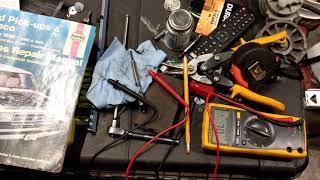
- If the plug passes, I grab my DVOM and check resistance across it. Anything outside manufacturer spec is a problem, even if it looks fine.
- Next, I check for battery voltage at the plug’s connector with the key on and the system active. No juice? Move up the chain and check the timer or controller-look for power, ground, and output.
- Don’t forget to test all related fuses and relays under load. I’ve been fooled by fuses that look good but blow their top the second there’s a real current draw.
One last thing-having a second set of hands helps for voltage checks when you need the key on and the system live. And remember, those circuits get hot in a hurry, so keep your wits about you.
Common Mistakes with P06C5
Here’s what trips folks up most often: picking the wrong cylinder. I can’t count how many times someone’s wasted time troubleshooting the wrong plug. Another classic blunder is skipping the basics-people go straight for parts swapping and miss a simple loose connector or frayed wire. Don’t forget to check fuses and relays while they’re under load, not just with a visual glance. And trust me, overlooking the glow plug controller is a rookie mistake; I’ve seen plenty of issues traced back there.

Seriousness of dtc P06C5
Don’t shrug this one off. A glow plug circuit problem can mean your diesel is a bear to start in the cold, and it’ll run rough or even misfire once you do get it going. Ignore it long enough, and you risk damaging the controller, frying the PCM, or even scoring the cylinder walls if raw fuel keeps washing down. Plus, all that black smoke? That’s incomplete combustion, which is a headache for your engine and the environment. Bottom line: fix it now before it starts costing you a lot more down the road.
Repair steps for P06C5 engine code
Here’s my proven playbook for knocking out a P06C5, depending on what the diagnosis turns up:
- Swap out the failed glow plug in cylinder one with the OEM part-don’t cheap out on off-brand stuff
- Repair or replace any wiring or connectors that look suspect in the glow plug circuit
- Give every connection a good cleaning and make sure it’s tight-sometimes that’s all it takes
- If the controller or timer isn’t sending voltage where it should, replace it
- And of course, take care of any blown fuses or sketchy relays
Once I’ve knocked out the repairs, I always clear the codes and take the car for a solid test drive to make sure the light stays off and everything’s running right.


Conclusion
So, what’s P06C5 really mean for you? Your PCM is calling out a problem in the glow plug circuit for cylinder one-usually resistance that’s out of spec. That leads to hard starts, rough running, and way too much black smoke. From my years in the shop, the best way to get to the bottom of it is a hands-on inspection and thorough testing. Don’t put this off. If you ignore the warning signs, you’re risking expensive engine or electrical damage. The surest fix? Replace failed glow plugs, patch up any bad wiring, and make certain the controller’s doing its job. Handle it now, and you’ll save yourself a world of trouble down the line.

 5214
5214 6 minutes of reading