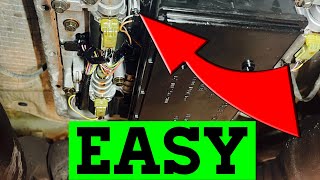
Let me break down what code P0713 means for you. This code stands for “Transmission Fluid Temperature Sensor A Circuit High Input.” In plain English, your vehicle’s computer (the PCM) is seeing a signal from the transmission fluid temperature (TFT) sensor that’s way higher than it should be. This sensor is buried inside your transmission, usually as part of a solenoid pack or harness, and its job is to tell the computer how hot the transmission fluid is. That information is crucial because it helps the car decide when to shift gears, how hard to shift, and when to lock up the torque converter. If the sensor’s signal is off, the computer can’t make those decisions properly. Most of the time, a high input means the sensor’s circuit is open somewhere-like a broken wire, a damaged connector, or a failed sensor itself. The car’s computer expects the voltage to drop as the fluid gets hotter, so when it sees the voltage stay high, it knows something’s wrong. This isn’t just a random warning; it’s tied directly to how your transmission operates and protects itself.
DTC P0713
 5717
5717 7 minutes of reading
Causes of P0713
From experience, the most common reasons I see for a P0713 code are pretty straightforward. Here’s what usually triggers it:
- A faulty transmission fluid temperature (TFT) sensor-sometimes they just wear out or get damaged inside the transmission.
- Wiring issues-broken, frayed, or corroded wires between the sensor and the computer are a big culprit. I’ve seen rodents chew through these wires more than once!
- Damaged or loose sensor connectors-moisture, dirt, or bent pins can cause a bad connection.
- An open or shorted circuit-especially if the signal wire is shorted to voltage or the return path is open.
- Less commonly, a problem inside the transmission itself, like a damaged harness, or in rare cases, a failing PCM (the computer).
In cases like this, it’s usually something simple like a wiring or connector issue, but you can’t rule out the sensor itself until you check. This error can also happen on car brands like Toyota, Hyundai, and Ford.
Symptoms of P0713 engine code
If you’re dealing with a P0713 code, here’s what you’ll probably notice behind the wheel:
- The check engine light will come on-that’s your first clue.
- You might feel the transmission shifting harder than normal, or there could be a delay when it changes gears.
- Sometimes, the car will go into ‘limp mode’-that’s when it limits your speed and locks out higher gears to protect the transmission.
- Another thing I’ve seen is the torque converter clutch acting up, which can make the car feel like it’s shuddering or not locking up properly at highway speeds.
These symptoms can make driving uncomfortable and, honestly, risky if you ignore them.

Diagnosis and obd2 code P0713 troubleshooting
Here’s how I’d tackle a P0713 code step by step, and you can follow along if you’re handy. First, I recommend starting with the basics-a good visual inspection. Pop the hood and check the wiring and connectors going to the transmission. Look for anything obvious: loose plugs, broken wires, corrosion, or moisture in the connector. It’s better to have someone assist you if you’re crawling under the car. Don’t forget to check for rodent damage, especially if the car’s been parked for a while.
If everything looks good, I move on to testing the sensor circuit. Using a scan tool, I’ll monitor the TFT sensor reading. If you disconnect the sensor and the scan tool shows a big drop (or -40 degrees), that’s a sign the circuit is open. Next, I’ll use a digital multimeter to check the sensor’s resistance. With the sensor unplugged, measure between its two terminals. As the engine warms up, the resistance should drop steadily. If it doesn’t, the sensor’s likely bad.
If the sensor checks out, I’ll test the wiring. With the ignition on, check for a 5-volt reference at the sensor connector. No voltage? That means there’s a break between the PCM and the sensor. You’ll need to trace the wires and repair any open circuits. Also, check the ground side-if there’s no continuity to ground, that’s another wiring issue to fix.
If all the wiring and the sensor are good, but the code keeps coming back, the problem could be in the transmission harness or, rarely, the PCM itself. At that point, it’s best to let a professional handle it, because things get complicated fast.
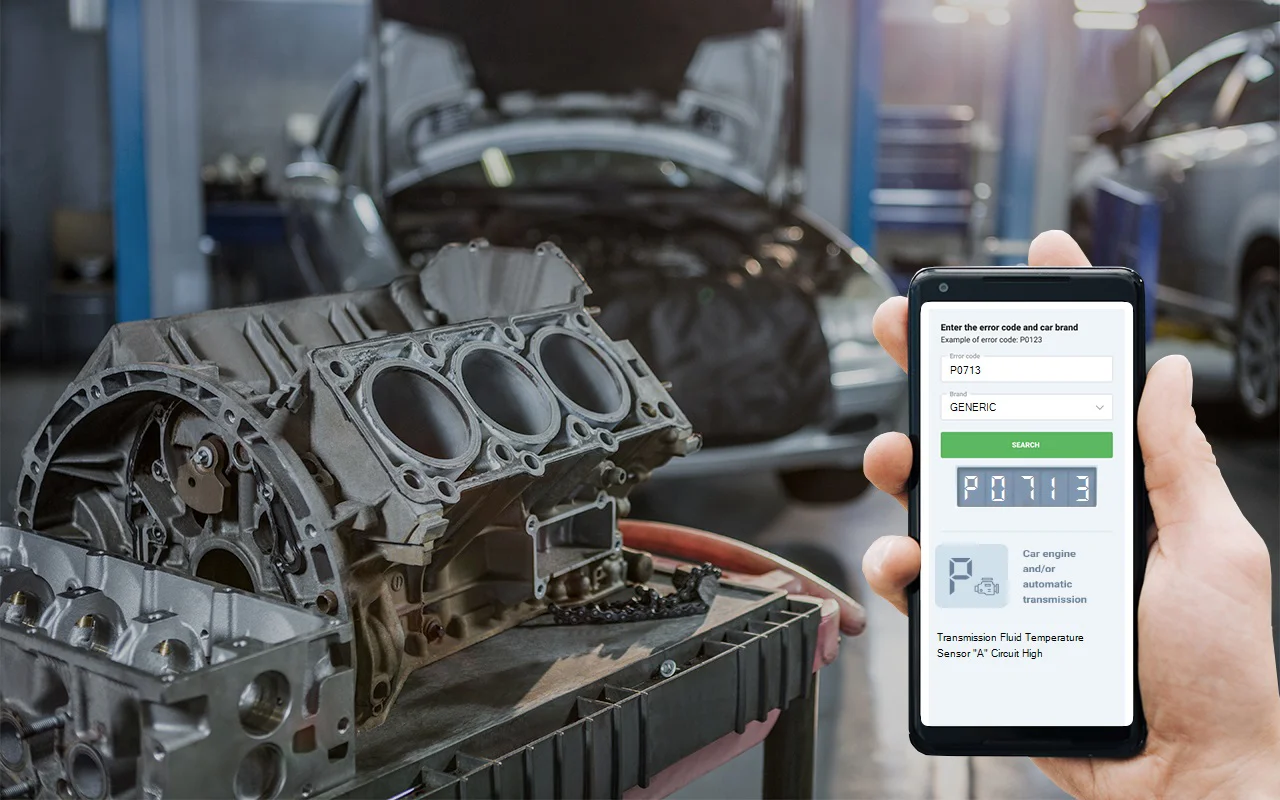
Common Mistakes when fixing dtc P0713
Honestly, the biggest mistake I see is jumping straight to replacing the TFT sensor without checking the wiring and connectors first. I can’t tell you how many times someone’s swapped out a perfectly good sensor only to find a broken wire was the real problem. Another common slip-up is not using a scan tool to check the live data-just reading the code isn’t enough. Also, people sometimes forget to check for moisture or corrosion in the connector, which can cause intermittent issues that are tough to spot. Skipping the ground checks is another one-if the sensor doesn’t have a good ground, it can throw this code too. Take your time and check everything step by step; it’ll save you money and headaches.

Seriousness of a P0713 code
This isn’t something you want to ignore. A faulty transmission fluid temperature reading can make your transmission shift at the wrong times or with too much force, which puts a lot of stress on the internal parts. Over time, that can lead to real damage-burned clutches, slipping gears, or even a failed transmission. Plus, if your car goes into limp mode, you could be stuck driving slowly or not able to accelerate when you need to. That’s a serious hazard, especially in traffic or on the highway. The risks just aren’t worth it, so don’t put this off for later.
Repair procedures for obd code P0713
Here’s what I usually do to fix a P0713 code, based on what I find during diagnosis:
- Repair or replace any damaged wiring or connectors you found during your inspection.
- If the TFT sensor fails the resistance test, replace it. On most vehicles, this means dropping the transmission pan and swapping out the solenoid pack or harness.
- Clear the code and test drive the vehicle to make sure the problem’s gone.
- If the wiring and sensor are fine but the code persists, check the transmission harness for internal damage or shorts.
- In rare cases, if there’s no 5-volt reference from the PCM, the computer itself may need repair or replacement-but that’s the last thing I’d suspect.
Always use OEM parts and follow the manufacturer’s procedures to avoid future issues. This troubleshooting applies whether you see Toyota DTC P0713, DTC P0713 Hyundai, or Ford DTC P0713.
Conclusion
To sum it up, code P0713 means your car’s computer is getting a bad signal from the transmission fluid temperature sensor, which can mess with how your transmission shifts and even force the car into limp mode. This isn’t something to take lightly-the longer you wait, the more risk you run of damaging your transmission. Start with a careful inspection of the wiring and connectors, then test the sensor and circuits step by step. Most often, the fix is as simple as repairing a wire or replacing the sensor. Acting quickly and methodically is the most reliable way to get your car back to normal and avoid bigger, costlier problems down the road.