Let me break down what P0770 means for you: this code pops up when your car’s computer (the PCM) spots a problem with the shift solenoid circuit-specifically, the one labeled “E.” In plain English, shift solenoids are like little electronic valves inside your automatic transmission that control how and when your car shifts gears. They manage the flow of hydraulic fluid, which is what actually makes the gears change. If something goes wrong with this circuit, the PCM can’t control gear changes properly, and that’s when you get the P0770 code. This system is crucial for smooth shifting, good fuel economy, and keeping your transmission from overheating or slipping. So, when this code shows up, it’s your car’s way of saying, “Hey, something’s not right with how I’m shifting!”
DTC P0770
 5053
5053 5 minutes of reading
Causes of P0770 trouble code
From experience, the most common reasons I see for a P0770 code are usually tied to the shift solenoid itself or issues in the fluid system. Here’s what tends to cause it:
- Faulty shift solenoid “E” or a bad torque converter lockup solenoid
- Dirty or contaminated transmission fluid
- Clogged transmission filter or blocked hydraulic passages
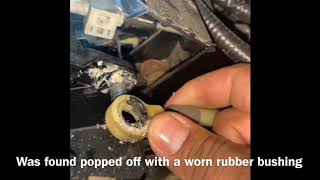
- Damaged wiring or connectors going to the solenoid
- Problems with the valve body inside the transmission
- PCM (the car’s computer) malfunction, though this is rare
- In worst cases, internal transmission failure
Most often, it’s something like a sticky solenoid or dirty fluid, but I’ve seen wiring issues trip people up too. It’s best to start with the basics before jumping to conclusions.
Symptoms associated with P0770 code
If you’re dealing with a P0770 code, here’s what you might notice behind the wheel:
- Shifting feels rough, delayed, or the transmission slips between gears
- Sometimes the car won’t go into a certain gear at all
- The transmission might overheat, especially if you keep driving
- You could see a drop in fuel economy-more trips to the gas pump
- The car may go into “limp mode,” where it won’t shift out of one gear to protect itself
- And of course, the check engine light will be on
From what I’ve seen, these symptoms can start off mild but get worse quickly if ignored.

Diagnosis steps for P0770
Here’s how I personally go about diagnosing a P0770 code, step by step:
- First, I always check the transmission fluid level and condition. If it’s low, dark, or smells burnt, that’s a red flag right away. Top it up or change it if needed.
- Next, I inspect the transmission fluid filter. A clogged filter can starve the solenoids of fluid and cause shifting issues.
- Then, I use a scan tool to clear the code and see if it comes back. If it does, I move on to checking the wiring and connectors at the transmission-look for corrosion, loose pins, or damaged insulation. It’s better to have someone help you wiggle the harness while you watch for changes.
- If all that checks out, I’ll test the shift solenoid “E” itself. This usually means measuring resistance with a multimeter and sometimes applying voltage to see if it clicks. If you’re not comfortable with this, it’s best to leave it to a pro.
- If the solenoid tests fine, I’ll look at the valve body and hydraulic passages for blockages, and in rare cases, consider PCM or internal transmission faults.
Don’t forget to check for any related codes-sometimes there’s more than one clue hiding in the system.
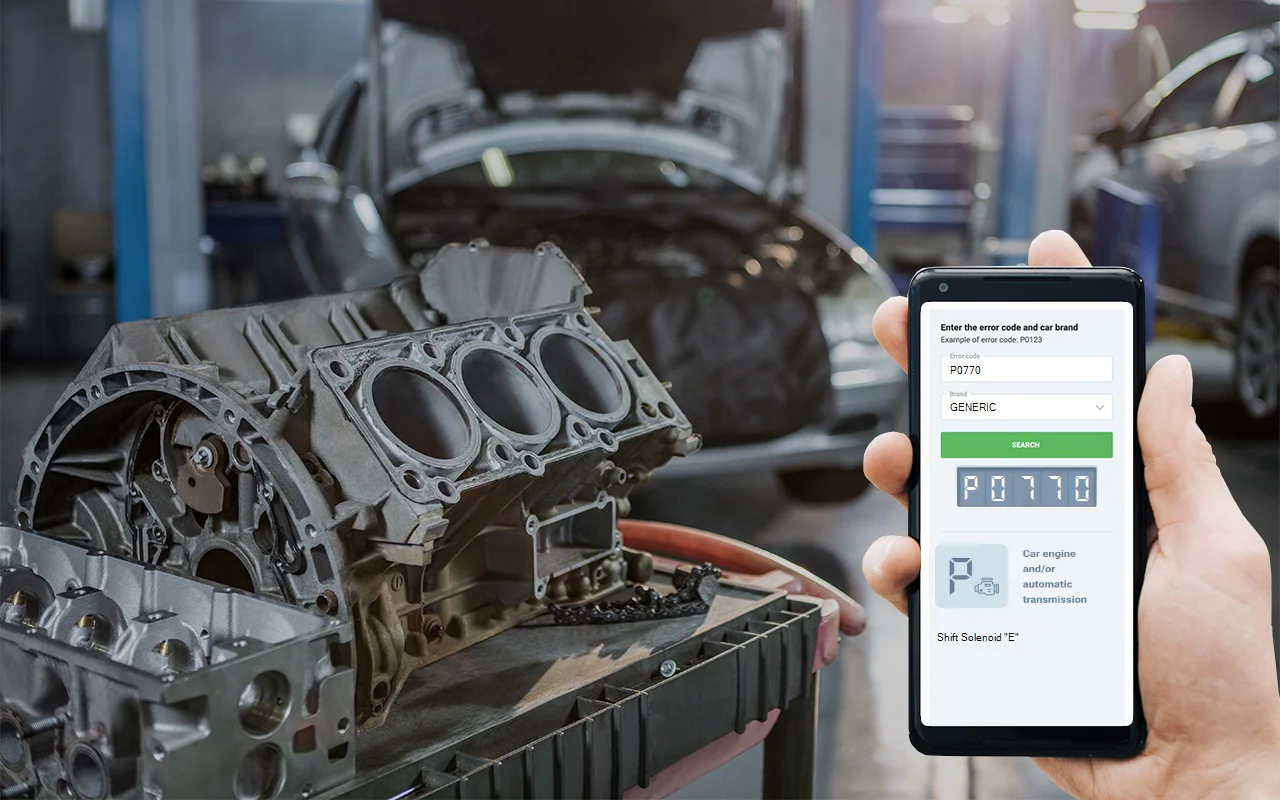
Common mistakes when fixing P0770 engine code
One thing I see a lot is folks jumping straight to replacing the solenoid without checking the basics. Skipping a fluid and filter change is a classic mistake. Another common error is overlooking wiring issues-sometimes it’s just a broken wire or dirty connector causing all the trouble. I also hear about people not using the right scan tool or missing manufacturer-specific diagnostics, which can lead you down the wrong path. My advice: always start simple and don’t assume the worst right away.

How serious is obd2 code P0770
I can’t stress this enough-don’t put off dealing with a P0770 code. This isn’t just an annoying light on your dash. If you ignore it, you risk serious transmission damage, which can cost thousands to fix. Driving with slipping or overheating transmission can quickly wear out clutches, bands, or even the torque converter. Honestly, things can go south fast if you keep driving like nothing’s wrong. You don’t want to end up stranded or facing a total transmission rebuild.
Repair options for obd code P0770
Here’s what usually fixes a P0770 code, based on what I see in the shop:
- Replace the faulty shift solenoid “E” or torque converter lockup solenoid if testing shows they’re bad
- Change the transmission fluid and filter if they’re dirty or contaminated
- Repair or replace any damaged wiring or connectors
- Clean or repair the valve body if there are blockages
- In rare cases, reprogram or replace the PCM if diagnostics point that way
- If there’s internal transmission damage, a rebuild or replacement may be needed
I recommend starting with a fluid and filter service, then move on to electrical checks before considering major repairs.
Conclusion
To sum it up, P0770 means your car’s transmission isn’t shifting right because of a problem with the shift solenoid circuit. It’s a high-priority issue-don’t ignore it, because the risks just aren’t worth it. Start with the simple stuff: check your fluid, filter, and wiring. If those don’t fix it, you may need a new solenoid or more in-depth transmission work. The most reliable way to resolve this is a step-by-step diagnosis, starting with the basics and working up. If you’re not sure, get a professional involved sooner rather than later-your transmission (and your wallet) will thank you.