
Causes of dtc P0779
From experience, the most common reasons I see for a P0779 code are:
- A faulty pressure control solenoid (the solenoid itself is worn out or stuck)
- Dirty or contaminated transmission fluid (old fluid can gum things up)
- A clogged or dirty transmission filter
- A bad transmission pump (not delivering enough pressure)
- Problems inside the valve body (the part that routes fluid through the transmission)
- Hydraulic passages inside the transmission that are blocked or restricted
- Corroded or damaged electrical connectors
- Broken or damaged wiring going to the solenoid or PCM
- In rare cases, a malfunctioning PCM (the car’s computer)
Most often, it’s either the solenoid itself or something simple like dirty fluid or a clogged filter. But I’ve also seen wiring issues and connector corrosion cause headaches, so it’s important not to overlook those.
Symptoms of obd2 code P0779
When this code is active, you’ll usually notice some pretty clear signs. Here’s what drivers typically report:
- The transmission may slip or hesitate when shifting gears
- Sometimes the car will go into a sort of ‘limp’ or ‘safe’ mode, where it won’t shift out of one gear
- You might feel hard or erratic shifts, or the transmission might ‘catch’ or jerk
- The transmission can overheat, especially if you keep driving with the problem
- Fuel economy often drops
- The Check Engine light will almost always be on
In some cases, you might even notice the engine misfiring, though that’s less common. If you’re seeing any of these symptoms, it’s a sign the transmission isn’t happy, and it’s best not to ignore it.

Diagnosis steps for obd code P0779
Here’s how I usually approach a P0779 code, step by step:
- First, I always check for Technical Service Bulletins (TSBs) for your specific make and model. Sometimes there’s a known issue with a straightforward fix.
- Next, I look at the service records-if the transmission fluid and filter haven’t been changed in a while, that’s a red flag.
- Then, I check the fluid level and condition. Low, dirty, or burnt-smelling fluid is a surefire sign something’s wrong. If it’s dirty, it’s best to change it and the filter before moving on.
- After that, I do a careful visual inspection of the wiring and connectors going to the transmission, solenoids, and PCM. Look for corrosion, loose pins, or damaged wires. Don’t forget to check the connectors themselves-sometimes a little green corrosion is all it takes to cause trouble.
- If everything looks good so far, I’ll use a scan tool to monitor solenoid operation and check for related codes. Sometimes, you’ll find other codes that help point to the root cause.
- For more advanced checks, I use a digital multimeter to test the solenoid’s resistance and check for continuity in the wiring. Always do this with the power off to avoid shorts.
- If the solenoid tests bad, it needs to be replaced. If the wiring or connectors are faulty, repair or replace as needed.
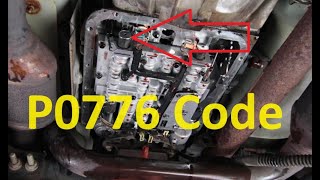
- If all the electrical parts check out, but the problem remains, it’s time to look at the valve body and pump. This is more involved and usually means dropping the transmission pan for a closer look.
It’s best to start with the simple stuff-fluid, filter, and wiring-before diving into the deeper mechanical parts. And if you’re not comfortable with this kind of work, it’s wise to have a professional handle it, since mistakes can get expensive fast.
Common mistakes to avoid with P0779 trouble code
One thing I see a lot is folks jumping straight to replacing the solenoid without checking the fluid or wiring first. That’s a surefire way to waste money if the real issue is just dirty fluid or a loose connector. Another common mistake is skipping the TSBs-sometimes there’s a known fix that gets overlooked. I’ve also seen people forget to check for other codes that might point to a bigger problem, like a failing pump or internal transmission issue. Don’t just clear the code and hope for the best; that’s asking for trouble down the road.

How serious is a P0779 code
This isn’t something you want to put off. While it might start out as a moderate issue, things can go south quickly if you keep driving with a faulty pressure control solenoid. You risk damaging the transmission itself, burning up the clutches, or even ruining the pump or valve body. Honestly, ignoring this code can turn a relatively simple repair into a full-blown transmission rebuild. It’s a serious hazard if the transmission starts slipping or overheating while you’re driving. Don’t take chances-get it checked out as soon as possible.
Repair options for P0779 engine code
The most reliable fixes I’ve seen for P0779 are:
- Changing the transmission fluid and filter if they’re dirty or old
- Replacing the faulty pressure control solenoid “B”
- Repairing or replacing damaged wiring or connectors
- Cleaning corrosion from electrical contacts
- Repairing or replacing the transmission pump if it’s not delivering enough pressure
- Repairing or replacing the valve body if it’s sticking or blocked
- Flushing the transmission to clear out any blockages in the hydraulic passages
- In rare cases, reprogramming or replacing the PCM if it’s at fault
In cases like this, it’s usually best to start with the basics-fluid, filter, and wiring-before moving on to the more expensive parts.


Conclusion
To sum it up, P0779 means your transmission’s pressure control solenoid “B” isn’t working right, and that throws off the whole shifting process. It’s not something to ignore, since it can quickly lead to bigger, more expensive problems. I recommend starting with a fluid and filter change, checking all the wiring and connectors, and only then moving on to the solenoid or deeper transmission repairs if needed. Acting quickly is the best way to keep your transmission healthy and avoid a major headache down the road.
 4294
4294 6 minutes of reading