
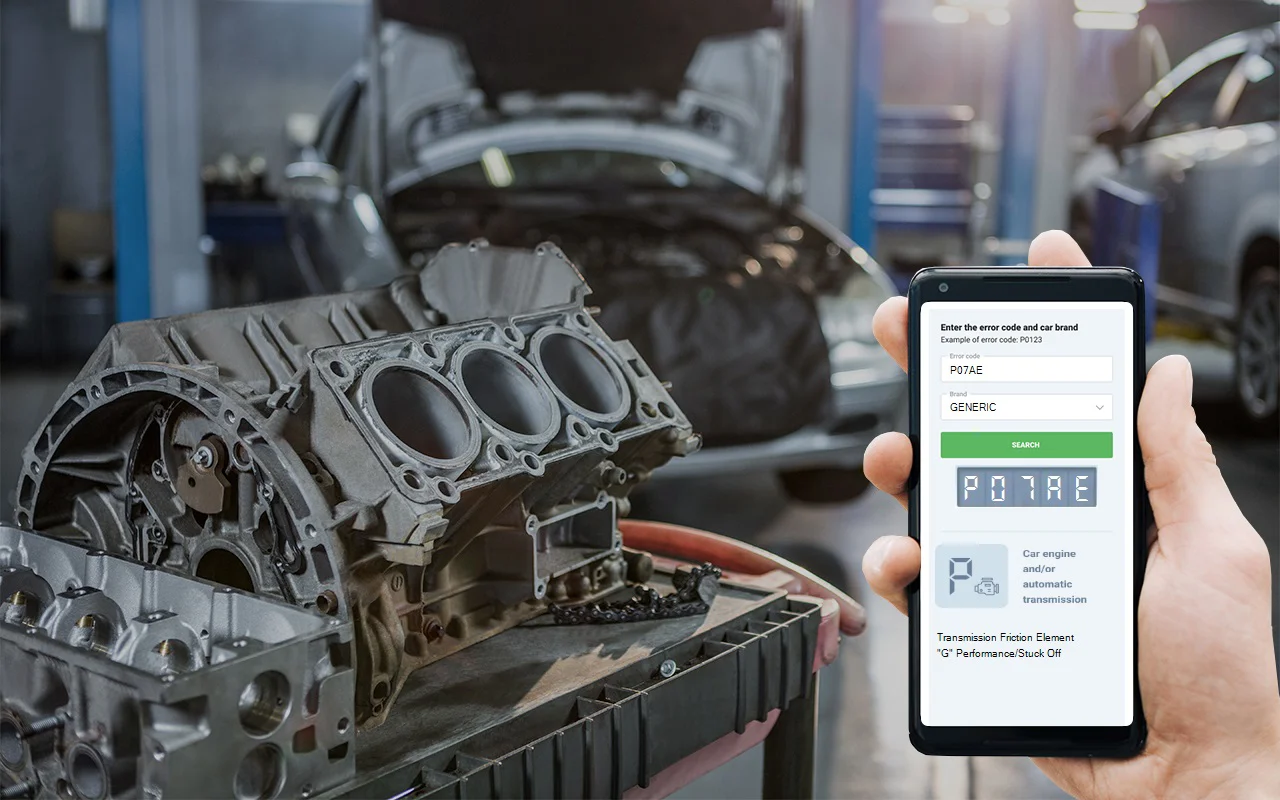
Causes of obd code P07AE
From my time in the shop, I’ve noticed the p07ae code is usually tied to the condition of your transmission fluid or the internal friction parts themselves. Here’s what I see most often causing headaches:
- Low automatic transmission fluid (ATF) level
- ATF that’s dirty, burnt, or just plain old
- Friction elements-like clutches or bands-that are worn out or damaged
- Electrical gremlins: damaged wiring, corroded connectors, or loose plugs at the transmission harness
- Water sneaking into the transmission module or wiring
- Mismatched or underinflated tires (believe it or not, this can mess with the transmission sensors and cause slipping)
- A glitchy transmission control module (TCM) or engine control module (ECM)
In my experience, it’s often something simple like bad fluid or a wiring issue, but sometimes you’ll run into deeper mechanical problems. For what it’s worth, I’ve seen this pop up on Fords and Renaults fairly often too.
Symptoms of P07AE
When this code is active, you’ll probably notice a few things aren’t quite right with how your car drives. Here’s what drivers usually report:
- Rough or delayed shifting
- Transmission slipping (feels like the engine revs but the car doesn’t accelerate as it should)
- Unusual or harsh shift patterns
- Sudden or unexpected gear changes
- Low power or torque, especially when accelerating
- Transmission fluid leaks
If you’re seeing any of these, especially in combination, it’s a good sign the code is more than just a fluke.

How to Diagnose dtc P07AE
Let me walk you through how I tackle a ford dtc p07ae 09 c8 code when it lands in my bay:
- First thing I do is check for any Technical Service Bulletins (TSBs) for your exact make and model. Sometimes the manufacturer has already figured out a common fix and you can save yourself a lot of time.
- Next, I look at the transmission fluid: Is it at the right level? Is it clean? Are you using the right type? You’d be surprised how many issues come down to neglected fluid. Don’t forget to inspect for leaks around the pan and lines.
- If the fluid looks good, I move on to the wiring and connectors. I hunt for anything loose, corroded, or damaged-particularly at the main harness. Sometimes, simply unplugging and reseating a connector can clear up the whole problem.
- After that, tires are next. Sounds odd, but mismatched or low tires can throw off the sensors. Make sure your tires are all the same size and properly inflated.
- If all that checks out, I’ll break out the scan tool and watch live transmission data. This is where you can really zero in on whether friction element “G” is the root of the issue or if you’ve got a sensor or electronics glitch.
- If I’m still stumped, that’s when I’ll consider tearing into the transmission-checking out clutches, bands, or even the control module itself.
My advice? Always start with the easy and cheap stuff before you dive into the deep end with major repairs.
Common Mistakes When Fixing P07AE trouble code
I can’t count how many times I’ve seen folks go straight to thinking the transmission needs a total rebuild. Nine times out of ten, that’s way overkill. Here’s where people often go wrong:
- Skipping that all-important fluid check or using whatever ATF is lying around (always use the right stuff!)
- Missing a bad wiring connection or a corroded plug-sometimes a simple fix is right under your nose
- Forgetting to check tire size and pressure
- Not looking up TSBs for your vehicle-sometimes the answer’s already out there
- Throwing expensive parts at the problem without confirming what’s really broken
Don’t get tunnel vision and start replacing parts at random. Basic checks first-that’s how you avoid wasting your cash and your weekend.

How Serious is obd2 code P07AE
Honestly, this isn’t a code you can just shrug off and hope for the best. From what I’ve seen, keep driving with P07AE and you’re rolling the dice with your transmission. When clutches or bands start failing, metal shavings can show up in your fluid, and that’s a fast track to wrecking vital parts like the valve body, solenoids, and even the control module. Ignore it long enough and you might find yourself stuck with a car that won’t shift-or worse, dead on the side of the road. The smart move? Fix it early and you could dodge a repair bill that would otherwise knock the wind out of your wallet.
Repair and Fixes for P07AE code
Here’s what’s worked for me and lines up with the OEM playbook when I’m dealing with a p07ae code:
- Swap out the transmission fluid and filter (always, always use the right ATF for your ride)
- Fix or replace any bad wiring or connectors at the transmission harness
- Sort out any tire size or air pressure issues
- If needed, clean or replace the problem friction element (clutch or band) inside the transmission
- Replace or repair the TCM or ECM if the diagnostics say so
- Seal up any leaks or stop water from getting into the transmission system
Start with the fluid and wiring-they’re the usual troublemakers and rarely cost much to fix.


Conclusion
Bottom line: P07AE means there’s trouble with an internal friction element in your automatic transmission-usually a clutch or band not doing its job. It’s not something to ignore, since it can snowball into much bigger (and more expensive) problems if you let it slide. My advice? Begin with the basics: inspect your fluid, wiring, and tires. If the problem’s still there, then dig deeper. The sooner you tackle it, the better your chances of keeping your car rolling smoothly and your bank account intact.
 4656
4656 6 minutes of reading