
Causes of obd code P083A
From my time under the hood, the most frequent culprit behind a P083A code is a problem in the wiring heading to the TFPS sensor. Let me tell you what I run into most often:
- A signal wire to the TFPS sensor that's broken somewhere along the line
- Wiring that's shorted out to power or ground
- A TFPS sensor that's just plain failed
- Internal issues inside the transmission-think fluid leaks or a valve that's stuck
- Once in a blue moon, the PCM or TCM (your car’s brain) goes bad
Almost every time, it’s the wiring or the sensor giving you grief-not the computer or the guts of the transmission. Still, don’t let that lull you into skipping steps. It pays to check everything before pointing fingers.
P083A symptoms you should know
When P083A shows up, there are a few things you’ll likely spot. First, that check engine light glares at you. Then, you might notice the transmission isn’t shifting like it should-maybe it’s jerky, shifts take longer, or it just feels off. Sometimes, you’ll press the gas and the car feels like it’s stuck in second or third gear, making takeoffs slow and sluggish. I’ve seen these symptoms come and go, which fools a lot of drivers into thinking it’s nothing major. Don’t make that mistake-if you notice any of these, it’s time to take action.

How to diagnose P083A trouble code
When I’m tackling a P083A code, here’s my go-to checklist:
- I always start by checking for Technical Service Bulletins (TSBs) on your car. Sometimes the factory already knows this is a thing and has a fix ready to go.
- Next, I scan for other codes-especially ones pointing to power or other transmission sensors. If you see them, chase those rabbits first.
- Now, I track down the TFPS sensor. It’s usually bolted to the side of the transmission or valve body. I get up close and eyeball the wiring and the connector-looking for frayed wires, corrosion, melted plastic, or anything loose. Here’s a pro-tip: greenish corrosion on the terminals is a classic sign, especially if the sensor’s exposed to moisture.
- If I spot dirt or corrosion, I hit it with electrical contact cleaner and a soft brush, let it dry off, and dab on a bit of dielectric grease to keep things protected.
- After cleaning, I wipe the code using a scan tool and see if it comes back on a test drive. No code? Odds are it was just a bad connection.
- If the code pops up again, I break out a digital voltmeter to test the wiring and the sensor. I look for the right voltage at the plug (usually 5 or 12 volts, depending on your ride), wiggling wires as I go to catch any breaks hiding inside the insulation.
- If the wiring looks good, I check the sensor’s resistance with an ohmmeter, matching it up to factory specs. Out of range? Time for a new sensor.
- If everything tests out and the code won’t quit, you might be staring down an internal transmission problem, or in rare cases, a flaky computer. That’s when I’d say it’s time to call in a seasoned pro.
Word to the wise: get someone to help if you’re testing wires under the car, and always disconnect the battery before working on connectors. Safety first-always.
Common mistakes when fixing obd2 code P083A
A classic mistake I see is folks skipping straight to swapping out the sensor-or worse, the computer-without checking the basics. That’s a quick way to throw money down the drain. Another misstep? Ignoring TSBs or other related trouble codes that could point you right to the fix. People also tend to overlook hidden corrosion or breaks inside the wires’ insulation. Trust me, the simple stuff gets missed more than you’d think. Always start there before shelling out for expensive parts.

How serious is dtc P083A
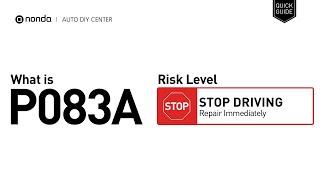
Don’t brush this one off. If you let a P083A code hang around, you’re asking for transmission trouble-rough shifting, limp mode, or even getting stuck in one gear. That can leave you stranded or make for some sketchy driving, especially if the car starts off in third. Keep ignoring it, and you risk burning up your transmission clutches, damaging the valve body, or even frying the control module. Things can go from annoying to catastrophic in a hurry if you don’t handle it early.
How to repair P083A engine code
Based on what I’ve fixed over the years-and what the factory recommends-here’s what usually gets P083A sorted:
- Patch up or replace any damaged wiring or connectors running to the TFPS sensor
- Clean up any corroded terminals and hit them with dielectric grease
- If the TFPS sensor’s out of spec or dead, swap it for a new one
- If you find problems inside the transmission (like stuck valves or leaks), those need tackling too
- On rare occasions, you may need to reflash or replace the PCM/TCM-but only after ruling everything else out
Once you’ve made your repairs, always clear the code and take the car for a spin to make sure the fix did the trick.


Conclusion
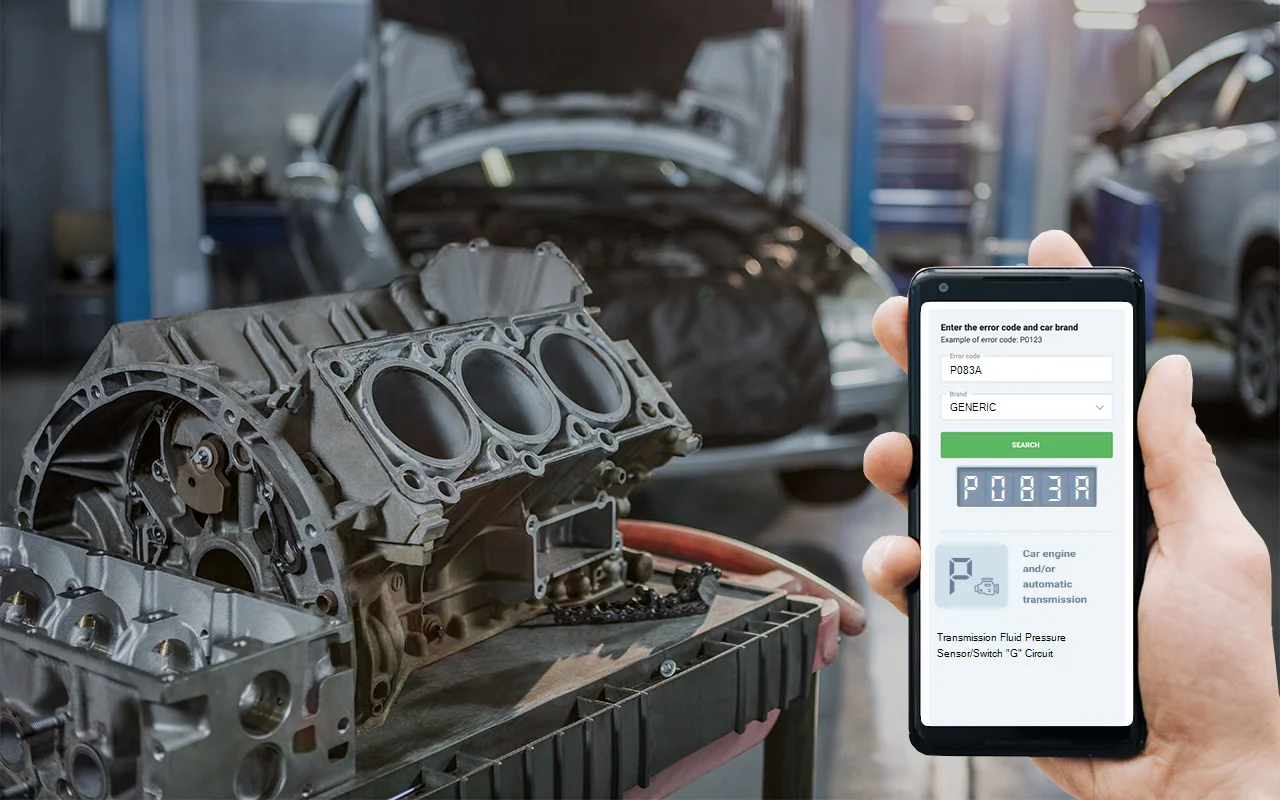
Bottom line: P083A is your car’s way of saying the transmission fluid pressure sensor circuit isn’t talking right to the computer, and that can really mess with your shifts. It’s a problem that ranges from annoying to serious, and letting it slide can mean bigger headaches down the road. Start with the simple stuff-give the wiring and connectors a thorough look before you dive into replacing parts. In my experience, most of these issues come down to bad connections or a tired sensor. Careful inspection and a methodical approach will save you time, money, and a lot of hassle. Your safety-and your transmission-depend on it.
 5225
5225 6 minutes of reading