
Causes of P0842 code
From my time under the hood, the most common culprit for a p0842 is a bad or shorted transmission fluid pressure sensor (TFPS). But don’t think it’s always that simple-here’s my usual checklist:
- A failed or shorted TFPS sensor. Nine times out of ten, this one’s to blame.
- Wiring or connector issues. I’ve seen plenty of damaged wires, corroded pins, or loose plugs throw this code.
- A faulty powertrain control module (PCM). Not my first suspect, but I’ve seen it before.
- Mechanical problems inside the transmission-like a stuck valve or worn-out internals causing low fluid pressure.
In my shop, electrical or sensor issues are most common, but I never ignore the chance of a mechanical fault until I’ve checked every angle. And don’t think this code is picky-Ford, Honda, GM, you name it, any of them can throw this error.
Symptoms of P0842
If you’re dealing with a gm p0842 00, here’s what you’ll probably notice right away:
- The check engine light pops on-always the first sign for most folks.
- The transmission starts acting up. Maybe shifts get rough, delayed, or the car refuses to go up a gear.
- Sometimes, you’ll find yourself stuck in “limp” mode. If your car’s only moving in one gear, it’s protecting itself from bigger trouble. That’s a clear warning sign.
I’ve seen these symptoms go from barely noticeable to downright severe, but any shift issue or a transmission stuck in gear is something you just can’t ignore.

Diagnosis steps for P0842 engine code
Here’s my tried-and-true process for tracking down a p0842 honda:
- First up, check the transmission fluid-both level and condition. Low or gunky fluid can cause all sorts of pressure issues. Don’t skip this; it’s quick and tells you a lot.
- Then, I take a close look at the wiring and connectors on the TFPS sensor. Any damage, corrosion, or loose fit can trigger this code. Sometimes, just wiggling the connector makes the light blink on and off-huge clue.
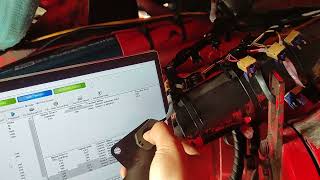
- Next, I hook up a scan tool and watch the live data from the TFPS. If the readings are way out of line, or they don’t budge as you change RPM or gears, odds are the sensor’s toast.
- If it’s still a mystery, I’ll break out the multimeter and check resistance or voltage at the sensor, following the specs in the service manual.
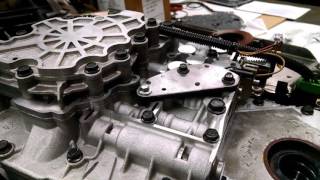
- When the wiring and sensor check out, I dig deeper-looking for internal transmission issues like stuck valves or low pressure. This part can get involved, sometimes even means pulling the pan.
- As a last resort, I’ll suspect the PCM. It’s not common, but I’ve seen it-only after everything else is ruled out.
My advice? Tackle the simple stuff first and don’t rush. Double-check every connection before jumping to the next step. A methodical approach beats guesswork every time.
Common mistakes when troubleshooting obd code P0842
A classic mistake I see: folks go straight to replacing the sensor without even glancing at the wiring or fluid. That’s a fast way to burn cash for nothing. Another one? Overlooking possible mechanical issues inside the transmission-especially if the fluid’s dark or you spot metal flakes in the pan. Skipping a thorough connector check or failing to use a scan tool for live data are also missteps I see all too often. And please, don’t just clear the code and drive off hoping for the best. That’s a sure ticket to more headaches down the road.

How serious is obd2 code P0842
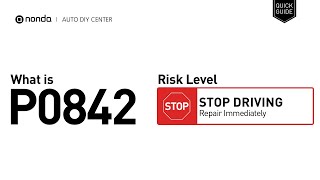
Take it from me-this code is nothing to brush off. If you let a P0842 ride, you’re risking major transmission damage. Without the right fluid pressure, the transmission can slip, overheat, and in some cases, fail altogether. That’s a real threat not just to your wallet, but to your safety. We’re talking about possible damage to the clutches, solenoids, and even the PCM if the electrical issue lingers. Problems can snowball fast if you don’t act, so don’t wait for things to get worse.
Repair steps for dtc P0842
Here’s my go-to repair routine for P0842, depending on what the diagnostics show:
- If the fluid’s low or looks dirty, I’ll change it and hunt down any leaks right away.
- When the sensor’s shot, I swap it out for an OEM TFPS-don’t cheap out on parts here.
- If wiring or connectors are the issue, I repair or replace the bad sections and make sure every connection is tight and corrosion-free.
- When there’s internal trouble in the transmission, I follow the factory repair steps. Sometimes that means opening up the trans for a rebuild or swapping parts.
- If the PCM is the problem (rare but possible), I’ll reflash or replace it as the manufacturer recommends.
The key? Always fix what’s actually broken, not just the symptom. Clearing the code without a real repair is just asking for it to come back.

Conclusion
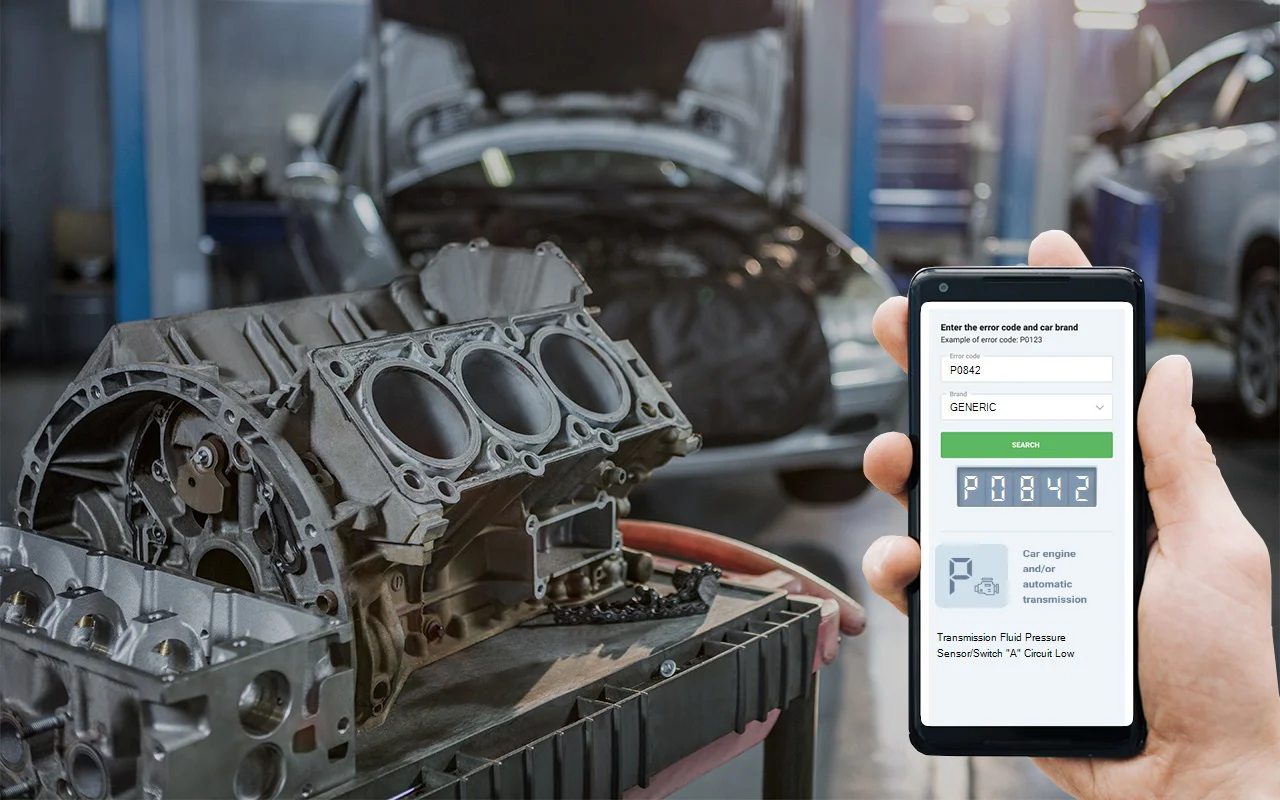
Bottom line-P0842 means your transmission isn’t seeing the fluid pressure it needs, most often because of a bad sensor, a wiring fault, or a deeper mechanical issue. Treat this as a top-priority repair. The risks of ignoring it just aren’t worth it. My advice: start simple-check the fluid, inspect the wiring, then test the sensor-before digging into the complex stuff. Move quickly and methodically, and you’ll save yourself from bigger, more expensive headaches down the road.
 5150
5150 6 minutes of reading