
Most Common Causes of dtc P0866
From what I’ve seen in the shop and based on official repair info, the most common reasons for P0866 are usually electrical or sensor-related. Here’s what tends to cause it most often:
- Faulty transmission sensor (like a pressure or speed sensor)
- Bad vehicle speed sensor
- Broken, shorted, or corroded wiring in the CAN bus harness
- Mechanical failure inside the transmission itself
- Defective TCM or PCM, or even a programming glitch
In my experience, wiring issues and sensor failures are at the top of the list, but it’s important not to overlook the possibility of a deeper transmission or control module problem.
Typical Symptoms of obd code P0866
When this code is active, you’ll probably notice some pretty clear signs that something’s off with your transmission. Here’s what drivers usually report:
- Rough or unpredictable shifting - the car might jerk or hesitate when changing gears
- Transmission won’t shift at all, or gets stuck in one gear
- Worse fuel economy than usual
- Slipping transmission - feels like the engine is revving but the car isn’t moving as it should
- Delayed engagement when shifting into drive or reverse
- Other transmission-related warning lights or codes
- ABS system might be disabled
If you’re seeing any of these, especially in combination, it’s a good sign the P0866 code is more than just a fluke.

Step by Step Diagnosis for P0866 trouble code
If you roll into my garage with a P0866 code, here's how I'd tackle it-no fancy guesswork, just tried-and-true steps. First, I always check for Technical Service Bulletins (TSBs) that match your make and model. You'd be surprised how often the automaker has already mapped out a fix. After that, I plug in my scan tool to pull any stored codes and freeze frame data. Don't skip this step-it gives you a snapshot of what the car was doing when the code popped up. Once I've made notes, I clear the codes and take your car for a drive. Does the code come back? If not, you might be in the clear. But if it returns, it's time for some detective work under the hood. I eyeball the wiring and connectors going to the TCM and PCM-looking for chafed wires, green crust from corrosion, loose pins, or evidence of water sneaking in. If everything looks tidy, I break out the digital volt/ohm meter to make sure voltage and ground are solid at the TCM and PCM. Never forget to pop out the fuse and check it-I've seen a blown fuse throw a wrench in the works more than once. Still stuck? I'll ring out the wiring between the computers to check for broken or shorted wires. If all that checks out but you still have the code, then I'm eyeing the TCM or PCM as the likely culprit, or maybe even a programming fault. For those stubborn, hard-to-find issues, I sometimes use an oscilloscope to catch glitches that a standard meter misses. Trust me, having an extra set of hands helps-especially when you're wiggling connectors to see if the problem comes and goes. That's the real-world, step-by-step process I use every day.
Common Mistakes When Fixing P0866
A classic mistake I see folks make? They go right for the big-ticket items-swapping out the TCM or PCM-before checking the basics. That's a fast track to draining your wallet for no good reason. Another one that pops up a lot is ignoring the wiring harness. Just a tiny spot of corrosion or a wire that's been pinched during a previous repair can throw everything out of whack. People also skip the fuse check way too often, but a blown fuse can cause just as many headaches. And here's a pro-tip from the garage: always scan for related codes. Sometimes, the real problem is hiding behind a different code entirely, and if you miss that, you'll be chasing your tail.

How Serious Is the P0866 code
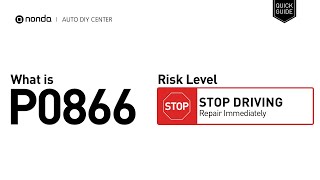
If you ask me, this is not something you want to shrug off. Transmission issues don't just mess with comfort-they can put you in a dangerous spot. One minute, your car shifts fine, and the next, it might refuse to move or lurch unexpectedly. That's a safety hazard, especially in heavy traffic or when merging onto the highway. Keep driving like that, and you risk frying expensive parts like the transmission, TCM, or even the main computer. Problems like this have a way of snowballing fast, so my advice is to get it checked out sooner rather than later.
Effective Repair Solutions for obd2 code P0866
Once you’ve nailed down the culprit, here are the fixes that usually get P0866 sorted for good:
- Repair or swap out any damaged wiring or connectors in the CAN bus harness
- Replace bad transmission sensors (pressure or speed sensors are common offenders)
- Install a new vehicle speed sensor if the old one’s toast
- Repair or replace the TCM or PCM if they’re proven faulty
- Reflash or update TCM/PCM software if it’s a programming hiccup
- Address any mechanical issues inside the transmission if you find them
From my time on the bench, most fixes come down to wiring repairs or sensor swaps. Every now and then, though, you’ll need to replace a control module or reprogram it. Always match the repair to the root cause, not just the symptom.



Conclusion
To sum it up, the P0866 code means your car’s computers aren’t communicating properly about what’s happening in the transmission. This can lead to rough shifting, slipping, or even a total loss of gear changes - and that’s not something to put off. The risks just aren’t worth it. The best way forward is to start with the basics: check for TSBs, inspect the wiring and connectors, and test the sensors before moving on to the control modules. Acting quickly and methodically is the most reliable way to get your car safely back on the road.
 5330
5330 6 minutes of reading