
P0873 trouble code Causes
From experience, the most common reasons for the p0873 issue are electrical in nature. Here’s what I usually find when I dig into this code:
- A short to power in the signal wire going to the transmission fluid pressure sensor (TFPS).
- An open or broken ground wire for the TFPS.
- A failed TFPS sensor itself, often due to internal shorting.
- Corroded or damaged connectors-especially if the sensor is mounted on the outside of the transmission, where it’s exposed to the elements.
- In rare cases, a problem with the PCM or TCM (the vehicle’s computer), but that’s not common unless there’s been water damage or a botched repair.
Most often, it’s a wiring or connector issue, not the sensor or computer.
Obd2 code P0873 Symptoms
When you run into obd2 code p0873, a few telltale signs usually show up. The check engine light will definitely make an appearance. But what gets drivers worried is the way the transmission behaves: you could feel rough or delayed shifts, or things just won’t feel as smooth as they should. Sometimes, your car will stubbornly start out in second or third gear instead of first, making it feel lazy or slow to get going. If you’re noticing these symptoms, take it from me-the transmission’s not happy, and turning up the radio won’t make this go away.

P0873 Diagnosis
Here’s how I approach diagnosing this code, step by step:
- First, I always check for Technical Service Bulletins (TSBs) for your specific vehicle. Sometimes the manufacturer already knows about a common issue and has a fix ready.
- Next, I look for any other codes, especially ones related to power or other transmission sensors. If there are multiple codes, I start with the one related to power or the one that appears first.
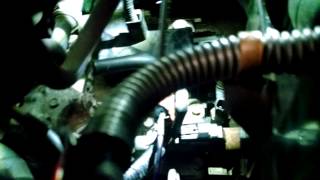
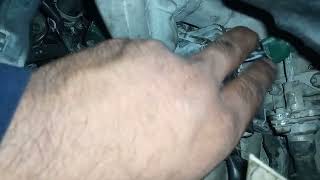
- Then, I locate the TFPS sensor. It’s usually on the side of the transmission or valve body. I do a careful visual inspection of the wiring and connectors-looking for frayed wires, corrosion, melted plastic, or anything that looks out of place.
- I disconnect the connector and check the metal terminals inside for signs of burning or a greenish tint (which means corrosion). If there’s any corrosion, I clean it with electrical contact cleaner and a soft brush, let it dry, and apply some dielectric grease before reconnecting.
- If you have a scan tool, clear the code and see if it comes back. If it doesn’t, the problem was likely a bad connection.
- If the code returns, I use a digital voltmeter to check the voltage at the sensor’s connector. With the ignition on (engine off), you should see either 5 or 12 volts, depending on your vehicle. If the voltage is off, I trace the wiring back to find the break or short.
- If the voltage checks out, I test the sensor’s resistance with an ohmmeter, comparing it to the manufacturer’s specs. If it’s out of range, the sensor is likely bad.
- If all the wiring and sensor check out but the code keeps coming back, then I start to suspect the PCM or TCM, but that’s a last resort.
It’s best to have someone help you if you’re not comfortable with electrical testing, and always double-check your work before moving on.
Dtc P0873 Common Mistakes
A classic mistake I see in the shop is folks swapping out the sensor right away and skipping over the basics-like inspecting the wiring and connectors. That’s a quick way to throw money at the problem and still end up with a check engine light. Another common pitfall is ignoring TSBs or related codes, which can have you chasing your tail for hours. And don’t overlook cleaning and inspecting the connectors; in my book, that’s often where the fix hides. Remember, the easy stuff can save you headaches.

P0873 engine code Seriousness
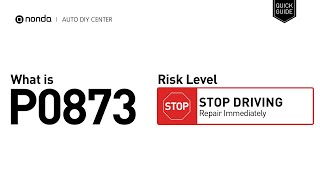
Let me be blunt: this code isn’t one to put on the back burner. If you ignore the P0873 engine code, you’re risking more than just a rough ride. The transmission might start shifting poorly or even lock itself into second or third gear-what we call limp mode. That can leave you stranded or in a tough spot during traffic. Keep driving like this and you could be looking at serious internal damage-burnt clutches, worn parts, the works. Bottom line? Get it checked before things get ugly.
P0873 code Repair
What’s the fix? From what I’ve seen in the garage and what the manufacturers recommend, here’s your checklist for p0873:
- Repair or replace any wiring or connectors that look suspicious going to the TFPS sensor.
- Clean up any corrosion you find on the terminals and slap on some dielectric grease to keep future problems at bay.
- If the sensor fails a resistance test or just looks cooked inside, swap it out.
- On the rare occasion the PCM or TCM is to blame, you might need to reprogram or replace it-but only after checking everything else.
- Don’t forget to clear the code and take the car for a spin to make sure the problem’s really gone.
Here’s a pro-tip from the garage: always start with the easy stuff-wiring and connectors-before grabbing a new sensor.
Conclusion
P0873 means your transmission fluid pressure sensor circuit “C” is sending a signal that’s out of range, usually due to an electrical issue. It’s a moderate to high-priority problem because it can quickly lead to poor shifting and even serious transmission damage if ignored. The most reliable way to fix it is to start with a thorough inspection and cleaning of the wiring and connectors, then test the sensor itself, and only move on to the computer if everything else checks out. Don’t delay-addressing this promptly is the best way to avoid bigger headaches down the road.

 4410
4410 6 minutes of reading