
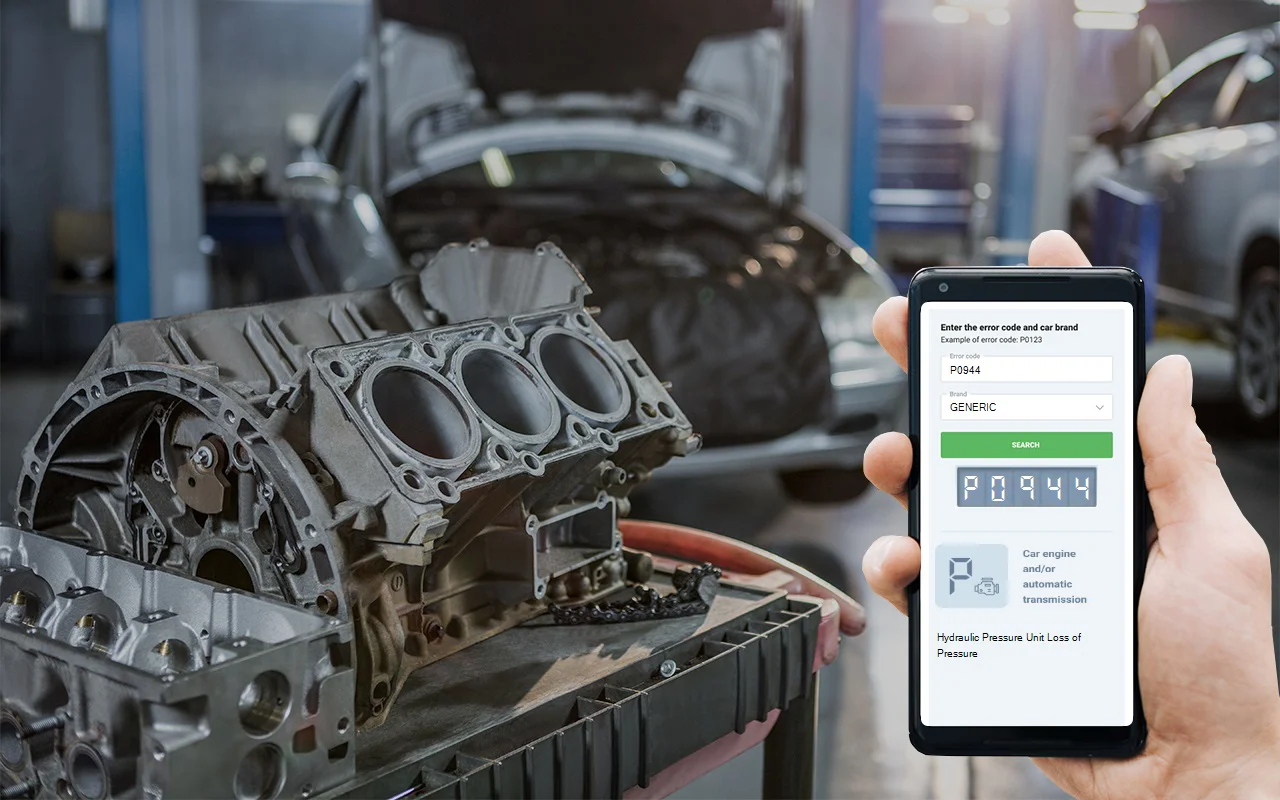
Causes of obd code P0944
From what I’ve seen in the shop and what the official manuals say, the most common reasons for a p0944 code are:
- Low transmission fluid-either from a leak or not enough fluid added after a service.
- A faulty transmission oil pump that isn’t building enough pressure.
- A clogged or dirty transmission filter that’s restricting fluid flow.
- A bad pressure sensor or switch giving false readings.
- Wiring issues-damaged or corroded wires between the transmission and the computer.
- Internal transmission failure, like worn valves or seals letting pressure escape.
Most often, it’s something simple like low fluid or a clogged filter, but I’ve seen cases where the pump or internal parts are at fault too. This error can also happen on car brands like Dodge or Jeep, including models such as Liberty.
Symptoms of P0944
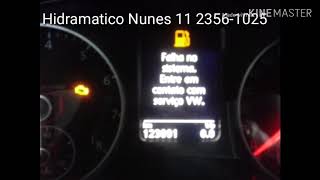
When this code pops up, you’ll almost always notice the check engine light come on. But that’s not all. You might feel the transmission acting up-like harsh or delayed shifting, slipping between gears, or even refusing to shift at all. Sometimes, the car might feel sluggish or like it’s stuck in one gear. If you notice any of these, especially combined with the warning light, it’s a sign the transmission isn’t getting the pressure it needs to work right.

Diagnosis of P0944 trouble code
Here’s how I usually go about diagnosing a p0944 trouble code, step by step:
- First, I check the transmission fluid level and condition. Make sure the car is on level ground, engine running, and fluid at the right temperature. Low or dirty fluid is a common culprit.
- Next, I look for leaks under the car or around the transmission. Even a small leak can lead to big problems.
- After that, I inspect the transmission filter. If it’s clogged or hasn’t been changed in a while, it can choke off fluid flow and drop pressure.
- If the basics check out, I move on to the transmission oil pump. This usually means checking pump pressure with a gauge at the test port. If pressure is low, the pump may be worn or failing.
- I also scan for other transmission-related codes. Sometimes, a bad sensor or wiring issue can set off P0944. I’ll check connectors for corrosion or damage, and test the pressure sensor if equipped.
- If everything else looks good, I start thinking about internal transmission problems-like worn valves, seals, or even a failing valve body. At this point, it’s usually best to have a specialist take a closer look.
It’s always smart to start with the simple stuff before diving into the deep end. And don’t forget-having someone help you check for leaks or watch the gauges can make things easier.
Common Mistakes with P0944 code
One mistake I see a lot is jumping straight to replacing expensive parts like the transmission pump or sensors without checking the basics first. Skipping the fluid check or ignoring a clogged filter is a surefire way to waste time and money. Another common error is overlooking wiring and connectors-sometimes it’s just a loose or corroded plug causing all the trouble. Always work through the simple checks before assuming the worst.

Seriousness of dtc P0944
This isn’t something to put off. Loss of hydraulic pressure can quickly lead to severe transmission damage if you keep driving. You risk burning up clutches, damaging the pump, or even causing total transmission failure. Honestly, it’s dangerous to ignore this-things can go south fast, and the repair bill only gets bigger the longer you wait. If you notice shifting issues or the warning light, get it checked right away. The risks just aren’t worth it.
Repair options for obd2 code P0944
In most cases, here’s what fixes the problem:
- Topping off or replacing the transmission fluid if it’s low or dirty.
- Replacing a clogged transmission filter.
- Repairing any leaks in the transmission system.
- Replacing a faulty transmission oil pump if pressure is low.
- Fixing or replacing a bad pressure sensor or switch.
- Repairing damaged wiring or connectors.
- In rare cases, rebuilding or replacing internal transmission components if there’s internal failure.
I always recommend starting with the fluid and filter-they’re the simplest and most common fixes. Only move on to the pump or internal repairs if those don’t solve it.


Conclusion
If there’s one thing you take away, let it be this: p0944 means your transmission’s not getting the hydraulic pressure it needs-and that’s no small matter. Left unchecked, it could cost you a transmission. The fix might be as easy as a fluid top-off or filter swap, but don’t drag your feet. Begin with the basics, keep an eye out for leaks, and don’t overlook the small stuff like sensors and wiring. From the many Dodge dtc p0944 and p0944 Jeep Liberty cases I’ve tackled, a methodical approach always wins. Don’t gamble with your transmission; get it checked out at the first sign of trouble. Trust me, your wallet-and your car-will thank you.
 3153
3153 5 minutes of reading