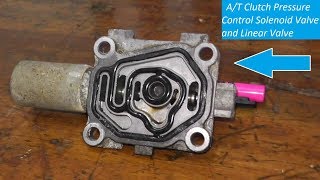
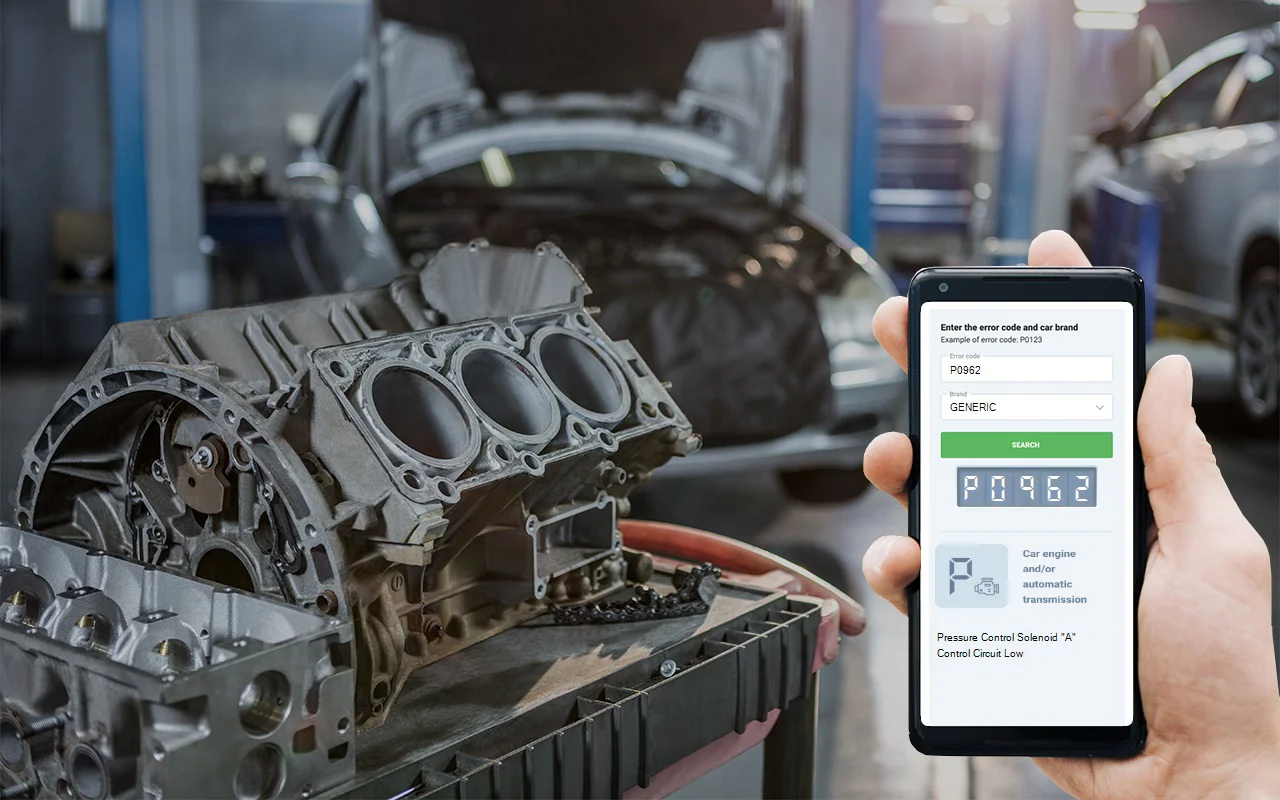
When I see a P0962 code come up on a scan tool, I know right away we're dealing with a problem in the 'Pressure Control Solenoid A' control circuit. In regular shop talk, this means your vehicle’s computer-what we call the PCM-has picked up on something going wrong with the electrical side of the solenoid that manages hydraulic pressure inside your automatic transmission. Think of this solenoid like a traffic cop, telling hydraulic fluid when and where to go so your transmission can shift gears smoothly. If that circuit isn’t working, the PCM can’t give the right commands, and that’s when the code shows up. Over the years, I’ve seen how one little electrical hiccup in this area can throw the whole system out of whack, causing all sorts of shifting headaches.
DTC P0962
 5293
5293 6 minutes of reading
Causes of P0962 trouble code
From my time under the hood-and what you’ll find in the service manuals-the main things that set off a P0962 code are:
- Faulty transmission valve body - Especially common on vehicles with some miles under their belt.
- Low transmission fluid level - You’d be surprised how often this gets overlooked. Not enough fluid can cause a mountain of problems.
- Defective pressure control solenoid - Sometimes the solenoid itself just gives up, whether it’s an electrical issue or a mechanical failure.
- Wiring issues - Broken, corroded, or loose wires and connectors in that solenoid circuit can easily be the culprit.
- Transmission control module failure - Not common, but I’ve seen it happen, especially on older vehicles.
- Blocked hydraulic passages - Gunk or debris can clog up those passages and mess with pressure readings.
Honestly, nine times out of ten, I find the problem is either the solenoid itself or the wiring. But don’t get tunnel vision-you’ve got to check fluid level and look for internal transmission gremlins, too.
P0962 symptoms
Let me tell you, when this code shows up, you’re probably not going to miss the warning signs. First off, that check engine light is going to come on. Then you might start feeling the transmission slipping, or maybe it’ll shift with a hard jolt or at odd times. Sometimes, your car will go into ‘limp mode’-that’s when it locks into a single gear and won’t let you go fast, just to keep things from getting worse. You might see your fuel mileage take a nosedive, and if you ignore it long enough, overheating isn’t far behind. I’ve watched too many folks let these early symptoms slide, only to end up with a much bigger-and more expensive-problem down the road.

P0962 engine code diagnostic steps
Here’s the process I follow in the shop whenever I’m chasing down a P0962:
- Start with the transmission fluid. Check both the level and the condition-brown, burnt, or low fluid can be a smoking gun, and it’s a quick fix if that’s all it is. Make sure the car’s on level ground and fully warmed up when you check.
- Next up, take a close look at the wiring and connectors going to the pressure control solenoid. I’ve found everything from chewed wiring (thanks, rodents) to corroded pins. Sometimes, unplugging and re-plugging a connector is all it takes.
- If the wires check out, grab your scan tool, clear the code, and see if it pops back up. Still there? Time to break out the multimeter and test the solenoid’s resistance. If it’s outside the spec listed in your manual, swap it out.
- If the solenoid seems healthy, then it’s time to dig deeper-think transmission control module or valve body issues. By this point, you’ll want that factory service manual close by, since every car has its quirks.
- And here’s a pro-tip: always check for technical service bulletins (TSBs). Sometimes, there’s a known problem with a simple factory fix.
If you’re crawling under the car or fiddling with electrical connectors, get a buddy to spot you-and always disconnect the battery before poking around wiring. Safety first, always.
Common mistakes when troubleshooting dtc P0962
A classic mistake I see-folks dive straight into replacing the solenoid or even the whole valve body without checking the basics. Skipping the fluid check? Happens all the time, and it’s often the cheapest fix. Another one: not giving the wiring a good look. One broken or corroded wire can be the root of all your headaches. Don’t forget those TSBs, either. I’ve seen cases where a simple update or part swap was all it took. Guessing your way through this code or rushing can turn a small repair bill into a big one real fast.

How serious is obd2 code P0962
Let me lay it out straight-this is not a code you want to ignore. A busted pressure control solenoid circuit can lead to shifting that feels like your transmission’s throwing a tantrum. Worse yet, you risk full-on transmission failure if you keep driving with this problem. I’ve seen cars left stranded and owners facing eye-watering repair bills from letting this go too long. It’s not just about money-driving with a slipping or unpredictable transmission is downright dangerous. Don’t wait. Get it checked and fixed before you’re stuck on the side of the road.
How to repair P0962 code
Here’s what’s worked best in my experience for fixing P0962:
- Top off or change out the transmission fluid if it’s low, burnt, or dirty.
- Repair or swap out any damaged wiring or connectors in the solenoid circuit. A simple fix, but easy to miss if you’re not paying attention.
- Replace the pressure control solenoid if it fails your resistance or function tests.
- If the valve body’s clogged or acting up, clean it or replace it as needed.
- On rare occasions, you might have to replace the transmission control module if nothing else solves it.
Stick with OEM parts and follow the manual for your specific ride. Start with the easy stuff before tearing into the big-ticket repairs-no sense in making it harder than it needs to be.
Conclusion
To wrap things up, P0962 means your transmission’s pressure solenoid circuit isn’t doing its job, and that’s bad news for smooth shifting. This is one of those codes you want to tackle right away-letting it slide can lead to serious transmission damage and unsafe driving. Check your fluid and wiring first, then dig into the solenoid or valve body if you have to. Over the years, I’ve learned that methodical troubleshooting beats guesswork every time, saving you money and keeping your car on the road where it belongs.